


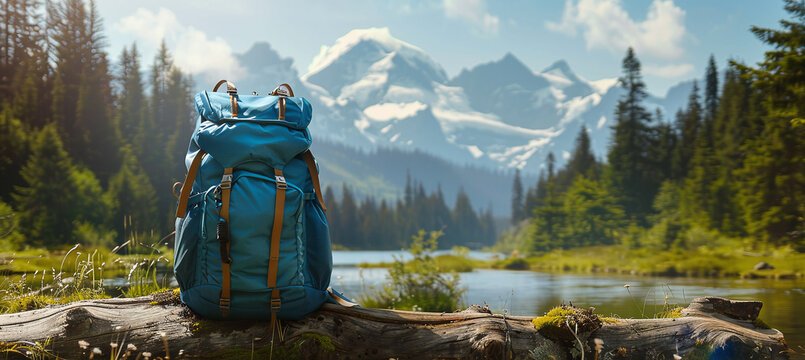
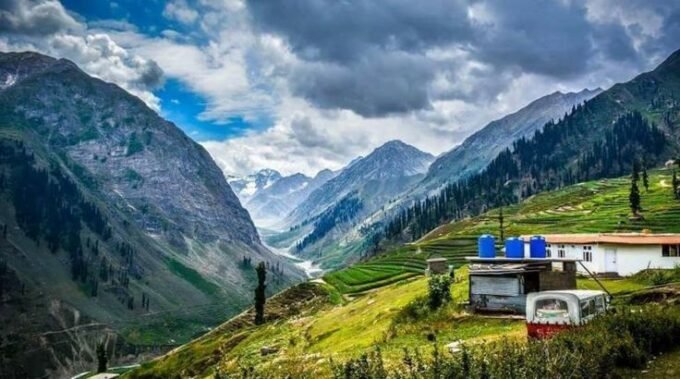
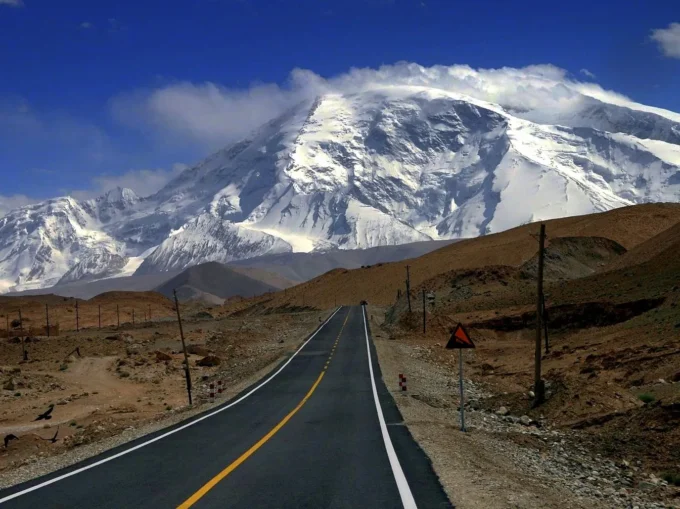
The North of Pakistan has some of the most beautiful sights. Everything there looks unreal. Numerous mountains, green valleys, rivers, lakes, and villages allow you to see something new and fascinating at each turn. Such destinations as Hunza, Skardu, Swat, Chitral, Naran, Kaghan, and Nagar should definitely be visited once in a lifetime. Even driving on the well-known Karakoram Highway will provide tourists with great pleasure.
However, do not confuse this place with usual tourist destinations. This land is wild and untouched. Moreover, its weather changes abruptly. So, you will experience warm sunshine in the afternoon and chilly wind in the evening. After the rain, the road surface becomes quite difficult, and mountain traveling makes a person tired. Walking at higher altitudes can also make you suffer because of the thin air.
So, it is very important to prepare well before you travel. Packing properly helps you stay comfortable, but more importantly, it keeps you safe and healthy during your trip. In 2026, travel has become easier because of better roads and facilities. However, many areas are still remote, and unexpected situations can happen, so you should always be ready.
Understanding Northern Pakistan Before You Pack
The region needs to be understood before you start packing your bags. The northern part of Pakistan consists of multiple distinct regions. The country includes multiple distinct regions that have their unique climatic patterns and natural features.
The weather in Hunza tends to be dry and windy. Skardu experiences daytime warmth, which turns into extreme cold during the nighttime. Swat and Chitral may have more rain. Summer temperatures in Naran and Kaghan remain cool throughout the season. The highest point of this region determines its main environmental aspect. Higher altitudes lead to decreased air pressure and lower temperatures. The daytime sun may appear strong, but nighttime temperatures will drop to extreme cold.
High elevations bring strong sunlight with cold winds, sudden rain, and snow. Roads experience dust problems, while heavy rain causes landslides to occur at times. People make a mistake when they only pack light summer clothing. You need to prepare for both hot weather and cold weather conditions.
Weather Can Turn Anytime: Stay One Step Ahead
The weather conditions in Northern Pakistan show extreme unpredictability. The day begins with clear skies, but later develops into rainy or foggy weather conditions. People experience pleasant weather during summer daytime hours. The nighttime temperatures remain cold for people who visit Skardu and Fairy Meadows. July and August receive rain, which creates landslides and stops all road traffic.
Winter brings extreme cold and heavy snowfall to many regions. The heavy snowfall will make some roads impassable. You need to pack your belongings because weather conditions will change throughout the day. You should not rely on a single clothing option for your needs. You should prepare yourself to handle both hot and cold weather conditions.
Smart Packing Rule: Dress in Layers for Every Situation
The weather in Northern Pakistan changes rapidly during your travels. The temperature starts warm, then suddenly turns cold with windy conditions. The layering provides the best solution for your dressing needs. This method helps you maintain comfort throughout the day because you can adjust your clothing whenever necessary.
People can use layering instead of one heavy outfit to adjust their clothing according to temperature changes, activity levels, and weather conditions. It provides an easy-to-use solution that people can rely on when travelling through mountainous areas.
1. Base Layer Keeps You Dry and Fresh
You start your clothing with the base layer. This fabric maintains direct contact with your skin while it regulates your perspiration. Your body will feel better when it remains dry because it protects you from both cold and humid weather.
Good options for base layer:
- Quick-dry T-shirts
- Thermal innerwear
- Lightweight synthetic tops
- Merino wool clothing
What to avoid:
- Cotton clothes (they hold sweat and dry slowly)
The base layer functions as a critical layer for cold regions because it controls skin moisture through its moisture-repellent capacity.
2. Mid Layer Will Keep You Warm
The mid-layer exists to provide users with warmth. The layer creates a heat barrier that maintains body warmth when external temperatures decrease.
Best mid-layer options:
- Fleece jacket
- Warm hoodie
- Lightweight sweater
- Insulated vest
These garments provide users with warm protection because they maintain lightweight properties, which enable comfortable movement during international travel.
3. Outer Layer Will Protect You from Wind and Rain
Your outer layer protects you from extreme weather conditions. It provides complete protection against rain and wind, and light snowfall.
Must-have outer layer items:
- Waterproof jacket
- Windproof jacket
- Raincoat or poncho
- Rain pants (for trekking)
You need this layer because mountain conditions can shift unexpectedly.
Importance of Layering
It is not all about clothes; it is much more. Layering enables you to adapt without making you either too warm or too cold.
Advantages of layering:
- Easy to take off or put on clothes
- Balances your body temperature
- Keeps you safe from unexpected changes in the weather
- Make sure you do not waste extra room in your backpack
- Effective for day and nighttime
In other words, layering allows you to be prepared at all times, regardless of the weather.
Clothes Packing List
- Proper packing of clothes will make your journey easy. The quantity of clothing required will be less; however, quality matters.
- In case of a 7 to 10-day journey, you should pack clothes that range from light to warm. Pack a couple of quick-dry shirts along with trousers.
- Also, pack one pair of jeans for casual wear. Pack a fleece jacket, a wool sweater, and a waterproof jacket.
- The thermal underwear will prove beneficial during the night when temperatures become low.
- Socks and underwear are equally essential.
- A good sleeping attire is required.
- For Pakistani tourists, the shalwar kameez suits well. It is comfortable, easy, and cultural.
Clothing Tips for Women
When travelling to this area, women need to carry with them comfortable and useful clothes. It is evident that the people in the northern part of Pakistan highly appreciate wearing clothes that are comfortable and respectful, which they want their guests to practice. With the proper selection of your outfit, you can have the assurance of comfort as well as better performance while engaging with locals.
Your outfit has to be flexible since you are going to engage in long-distance travel. It will be difficult for someone to travel far with tight or heavy clothes. People require wearing light clothes during the daytime, but the people must keep themselves warm during the night and early morning hours.
Long shirts or loose clothes, along with scarves, are some of the essential items of clothing that is needed here. One thing that stands out in this place is the dupatta. This particular garment acts as a protector against excessive sunshine and dust, as well as cold air in high places.
Basic Dress for Women
- Long shirts or tunics for modest dressing
- Wide-legged trousers or pants for ease of movement
- A scarf or dupatta to shield against dust and sunlight
- Leggings as an extra layer during cold seasons
- Tops with full sleeves for sun protection
- Comfortable and modest dresses for relaxed occasions
- Shawls or wraps to keep warm during cool nights
Packing Tips
- Select wrinkle-resistant and fast-drying materials
- Do not pack tight or bulky clothes
- Neutral color scheme for easy coordination
- Pack one extra piece of warm clothing
- One elegant outfit for photoshoots and sightseeing
Dressing in layers is another great tip that could prove helpful while travelling. You might be experiencing heat during the daytime, yet you may be required to adapt to cooler temperatures at night. Your clothes should be functional, modest, and suitable for different weather conditions. The key is to plan your travel wardrobe carefully and pack all necessary items that will allow you to relax and make the best out of your trip.
Clothing Tips for Men
Men should go for comfortable yet practical clothes. Northern Pakistan is known for long journeys where you might have to walk through uneven trails; therefore, your clothes should enable free movement and deal with the changes in weather.
For instance, quick-dry shirts and full sleeves are perfect for such activities. These types of clothing not only make one comfortable but also provide skin protection. Trekking pants should be worn as opposed to jeans since the latter are heavy.
A fleece jacket will be needed when feeling cold, while a waterproof jacket will ensure protection from the rain and winds. A warm hat will also come in handy in cooler regions. Shalwar kameez is another great choice that can fit well during long drives.
Basic Dress for Men
- Quick-dry or full-sleeved shirts
- Trekking pants
- Fleece jacket
- Waterproof jacket
- Warm cap or beanie
- Shalwar kameez
Key Points to Consider
- Opt for lightweight materials
- Avoid wearing heavyweight clothes
- Wear layered clothing
Wearing Comfortable Footwear
When making arrangements for traveling, you should carefully pick your footwear. The right footwear will enable you to enjoy the experience, whereas uncomfortable footwear may lead to difficulties. If you plan to hike or walk in natural areas, bring strong hiking boots that are comfortable, waterproof, and suitable for rough terrain. It is important to try out your shoes before embarking on your tour to ensure that you will be comfortable wearing them. Daily footwear should be comfortable walking shoes that will be convenient when walking around shops and sightseeing.
Health and First Aid
It is essential that while visiting a remote area, you take care of yourself in terms of health. Always pack a basic first aid kit since you may not have easy access to medical facilities. In your first aid kit, include bandages, antiseptic wipes, painkillers, and other medicines. Take some medicine against stomach ailments and allergies.
The risk of altitude sickness is high in remote places. You will feel symptoms like headaches, dizziness, or exhaustion. Hydration through water and adequate rest can solve this problem. Pack ORS and electrolyte sachets as well. In case of illness, you need to rest until you recover from the sickness before proceeding further.
Hygiene and Personal Care
- It may be tough for travelers to maintain hygiene in such cases. That is why it is advisable to keep their personal hygiene items with them.
- Take a toothbrush, toothpaste, and hand sanitizer along. Wet wipes serve as an alternative if water is not available. Bring a small towel and soap with you.
- Use lip balm and moisturizers to protect yourself from drying. It is imperative to use sunscreen since your skin may be exposed to sunlight.
- Make sure that you carry enough hygiene products if you are a woman.
Protection from Sun, Cold, and Dust
Northern Pakistan receives bright sunlight during times when its temperatures remain low. Skin and eye protection needs to be worn for your safety. You must carry both sunglasses and sunscreen during your outdoor activities. You should also consider wearing a cap or hat to protect your face from sunlight. The use of a scarf or buff is crucial because it will protect your face from dust, wind, and cold air. The colder areas require both gloves and a cap as necessary protective equipment.
Documents and Money
You need to secure all your documents while maintaining their organized state. The documents require both physical and electronic documentation. Pakistani citizens traveling should carry their CNIC and driving license, while foreigners must carry their passports and visas. Northern Pakistan requires people to bring two essential items. People need cash because most shops in the area do not accept credit card payments. Your cash supply should be divided between multiple storage areas to protect your money from theft.
Tech and Gadgets
While technology creates easier access to things, you need to prepare for times when internet access will be unavailable. You should bring your phone together with its charger and a power bank. A flashlight would also come in handy at night.
Food and Snacks
Snacks are highly recommended when traveling, especially on long distances where there might be no food around. Have nuts, dates, and energy bars. They are light and offer immediate energy. It is always necessary to have a water bottle. Never drink water from sources that are not treated. Purification tablets are recommended.
Safety and Emergency Items
Traveling to the mountains requires travelers to prioritize their safety above all else. Basic emergency equipment needs to be carried by travelers. The backpack needs a torch and whistle, a small first aid box, and a rain cover. You need to carry your emergency contact card with you at all times.
Bags and Packing Style
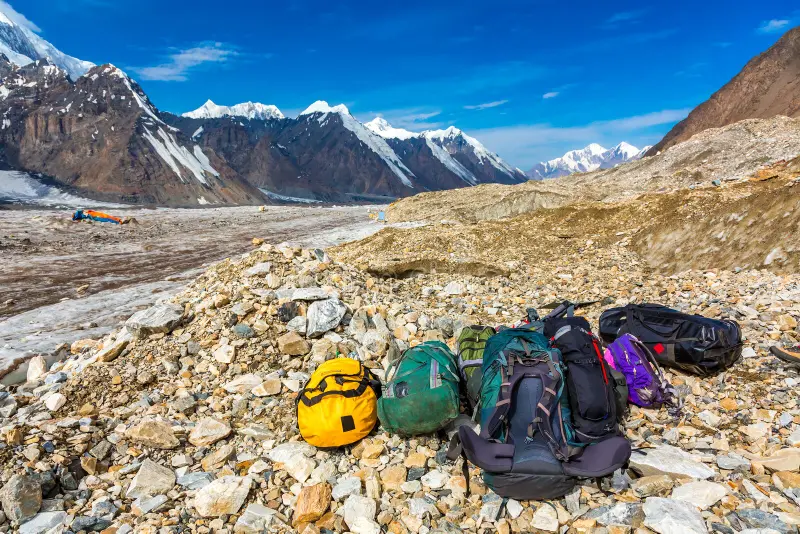
You need to select the proper bag for your needs. A backpack or duffel bag is preferable to a suitcase. The journey contains difficult paths, which make soft bags more convenient to use. The most effective method for packing is to use packing cubes. Your daypack should contain all the necessary items that you require for your day.
Seasonal Packing Tips
- The packing depends on the time of the year. In summer, light clothing with a jacket will suffice.
- Autumn requires warm clothing because temperatures during this season can become cold.
- Winter requires heavy clothing because snow falls and temperatures drop to freezing.
- Spring has moderate temperature changes; therefore, light clothing and rain gear are appropriate.
Region-Based Packing Tips
- Different regions need different packing. Hunza requires sun protection and light layers.
- Skardu needs warm clothing due to cold nights.
- Swat and Chitral require rain protection.
- Naran and Kaghan need warm clothes for evenings.
Common Packing Mistakes
Many travelers make simple mistakes that can make their trip uncomfortable. Travelers who pack only summer clothes for their journey to a mountain destination make one of the most frequent errors because they do not consider that mountain weather can bring sudden cold temperatures. The second common problem occurs when travelers fail to bring appropriate rain and wind protection equipment.
Some travelers also bring new shoes without testing them, which can cause pain or blisters during walking. The excessive baggage carrying from others creates obstacles for their travel experience, especially when they need to navigate through mountain paths and jeep transportation.
Another mistake is when they forget to bring essential medicines, sunscreen, and warm clothing for nighttime use. People who depend solely on cards for payments face problems when they visit remote areas because they do not have sufficient cash.
Key Mistakes to Avoid
- Packing only summer clothes
- Forgetting rain and warm gear
- Wearing brand-new shoes during travel
- Carrying excess or heavy luggage
- Not packing basic medicines
- Relying only on cards instead of cash
- Forgetting sunscreen and warm layers
The process of good planning enables you to prevent all these problems while ensuring your journey will proceed without difficulties.
Final Packing Checklist
- All bags require inspection before departure.
- Make sure you have clothes, shoes, medicines, documents, gadgets, and snacks.
- The organized system of your belongings will lead to your trip running smoothly while reducing your stress.
Conclusion
You need to pack smart for your upcoming trip to Northern Pakistan. You do not need to carry too many things, but you must carry the right ones. The region is beautiful but can be unpredictable. Weather conditions will change throughout the day, while necessary services will not be available. Your trip will become stress-free once you have packed everything correctly. You can focus on the beauty, the people, and the experience. Travel with preparation, and Northern Pakistan will give you memories that last a lifetime.


Leave a comment