


Introduction
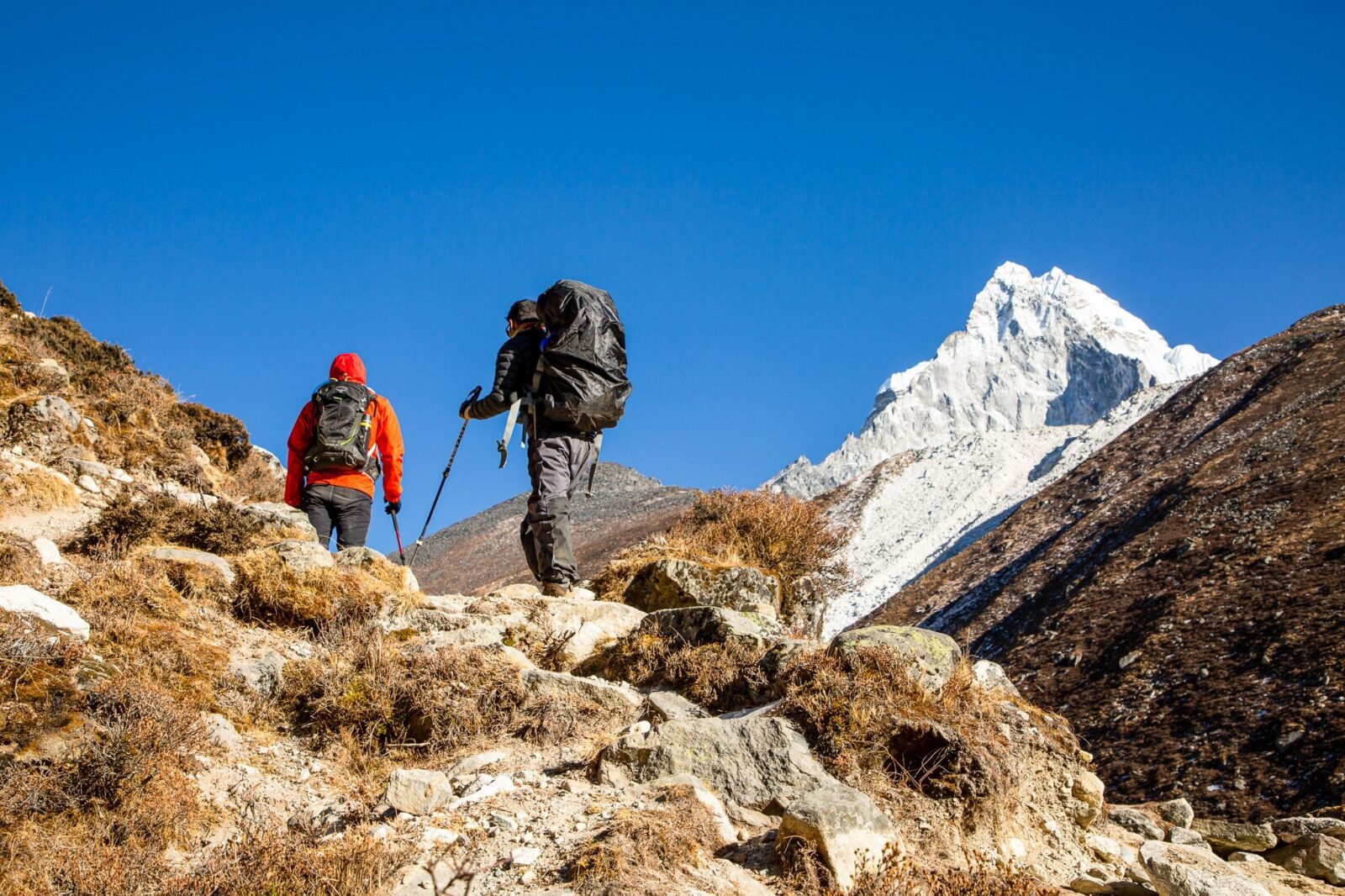
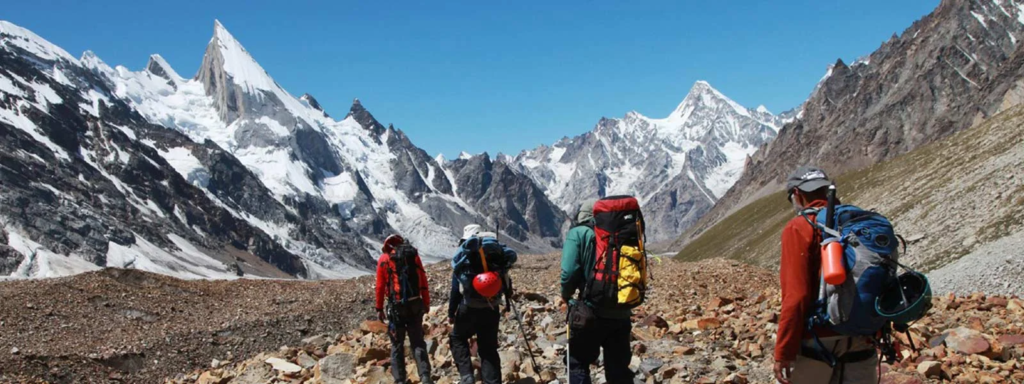
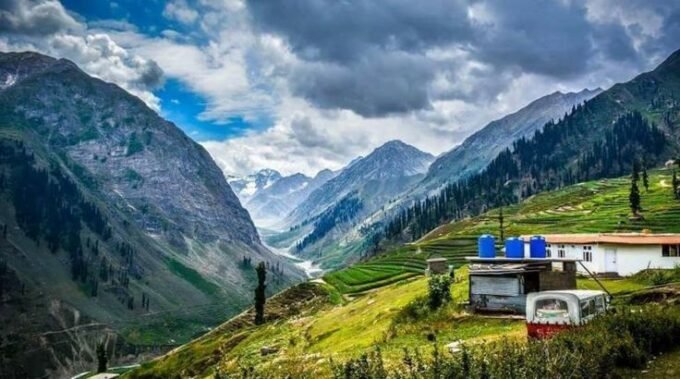
The first time you stand in the mountains of Northern Pakistan, you will never forget it! The air is fresher, the rivers are louder, and the pictures appear more like a dream state. The snowy mountains stand above the green valleys, glaciers blanket the terrain, and thin trails wind through areas earmarked for pristine nature. This area of the country is more than an area to travel to; it’s a home. It turns into an experience that transforms their perception of nature and adventure.
Trekking and hiking have gained popularity in Northern Pakistan in the past few years, both domestically and internationally. Social media has brought many places to millions of eyes in the world, such as Hunza Valley, Fairy Meadows, Skardu, and Swat Valley. Trekking in these areas seems fun and straightforward thanks to incredible photographs and travel videos. But, for first timers, hiking up mountains can be more of a preparation than they thought.
The good news is that this is not just for the professional expert mountaineer to enjoy Northern Pakistan hiking. There are also lots of easy trails that have stunning vistas without technical climbing. These mountains can be safely explored by anyone with little trekking experience if they are ready with the proper plan, equipment, and expectations.
This is a guide for people who want practical and realistic advice before embarking on their first trekking trip. This isn’t a technical article; it’s just a few tips, pitfalls, preparations, and useful information for first-time trekkers. These tips can help you hike more safely and comfortably, whether you’re heading up for a casual stroll or your initial real mountain hike.
Why Northern Pakistan Is a Great Place for Beginner Trekkers
The immense diversity of landscapes and hiking trails in Northern Pakistan is one of the main attractions for it as a destination for first-time trekkers. While certain mountains are appropriate only for expert climbers, Pakistan has routes for climbers of all levels.
The novice does not have to approach the more challenging expeditions or have to go on a multi-day glacier crossing. There are numerous scenic hiking trails with moderate hikes, trails that are relatively easy to access, and continue to be extremely rewarding.
The path to Fairy Meadows is one of the easiest going mountain walks in the country, for instance. The walk is fairly easy for most healthy adults, but the vistas of Nanga Parbat make it sound like a big adventure!
Likewise, hilly areas such as the meadows around Naran, Miranjani, and Mushkpuri Top are ideal for those who are new to trekking.
The other benefit is that it is inexpensive. The cost of travelling to Northern Pakistan can be much lower than to trekking areas of Europe or Nepal. For visitors from around the country, local transport, guest house, food, and guide services are often on budget. This way, it is possible for the novice to have a taste of a mountain trip without having to invest too much money.
There is also the great generosity of the local people who make the trip a more pleasant one for the first time. Many of the people in the northern villages are friendly and will offer directions and/or advice to travelers.
Choosing the Right Trek Matters More Than People Think
Many first-time hikers tend to choose a hike for its appearance in photographs on the web. While easy to see in the pictures, a trail can be physically demanding if the elevation gain, weather, or terrain is difficult.
If you are a first-time trekker, your mission should not be to do the hardest thing you can do. The objective is to have a safe but still fun learning experience and build confidence and experience.
A few hikes that are ideal for the beginner include:
- Fairy Meadows
- Mushkpuri Top
- Miranjani
- Siri Paye Meadows
- Passu Glacier
These hikes are not too difficult, but are still a pretty good scenic route. However, a few of the treks in Northern Pakistan are more strenuous and should generally be considered for experienced travellers only, or those who are accompanied on the trip by an experienced guide. Long journeys across glaciers and high mountain base camps, to remote regions, are a demanding and well-planned activity.
When selecting the first trek, you should take into account:
- Distance of the trail
- Maximum altitude
- Trail condition
- Weather patterns
- Availability of accommodation
- Mobile network coverage
- Access to medical help
It’s always better to do a shorter walk and feel good about yourself for doing it, rather than a longer walk and feel bad about yourself for doing it.
Preparing Your Body Before the Trip
When people think of trekking, they think of walking for a few hours, but several hours up a mountain is physically intensive. While you’re not required to have athletic training skills, some preparation can make your trip more enjoyable.
Simply getting some exercise before you start your hike can help boost stamina and minimize fatigue.
A couple of weeks before your trip, begin creating some basic routines like:
- Walking daily
- Climbing stairs
- Light jogging
- Cycling
- Stretching exercises
- Short local hikes
The aim is to work on endurance and not speed. Rarely is Mountain Trekking a fast-paced activity. It is the ability to keep a steady rate for extended periods of time.
In particular, the strength of the legs is essential as uneven trails put strain on knees and ankles. If you’re a beginning hiker who spends the majority of the day sitting, you may find yourself feeling sore after your first long hike.
If it’s possible, practice using a backpack when walking before your trip. After a few hours of climbing, the weight of your backpack becomes noticeable even if it’s light enough to wear.
Understanding Altitude Is Extremely Important
There is no greater contrast than traveling through a city and trekking through mountains except for the altitude. Many northern areas are steeply graded, and the human body takes time to acclimate.
Valleys such as Hunza Valley and Skardu are already at a relatively high altitude compared to those of the major cities in Pakistan. Routes higher up can climb even higher.
The reduced oxygen levels at higher elevations can impact breathing and energy levels. Healthy individuals may find themselves getting tired sooner.
Some of the most frequent signs of altitude sickness are:
- Headaches
- Nausea
- Dizziness
- Fatigue
- Difficulty sleeping
- Loss of appetite
It’s not unusual to find yourself short of breath as you climb uphill, and for many beginners, this can be frightening. The important thing is to do it at a leisurely pace.
Some tips for altitude are helpful, such as:
- Try to not rush in the first few days
- Increase intake of water.
- Take breaks regularly
- Avoid heavy overeating
- Sleep properly
- Don’t overlook serious symptoms
When a person suffers from severe altitude sickness, the best remedy is to lower their altitude.
Packing the Right Gear Can Change Your Entire Experience
The weather in the mountains is fast-changing. It can get chilly and windy on a warm sunny morning in just a few hours.
Don’t carry very heavy clothes, opt for layers:
- Light t-shirt
- Warm fleece
- Waterproof jacket
- Comfortable trekking pants
Layering enables you to adapt to temperature fluctuations.
Rain Protection Matters
In the northern mountain areas, rain can fall at any time in summer. A lightweight waterproof jacket or poncho is very useful.
Other Important Items
Beginners should also have the following:
- Water bottle
- Snacks
- Sunglasses
- Sunscreen
- Power bank
- Flashlight
- Personal medicines
- First aid kit
- Extra socks
- Suitable gloves for colder climates
Smart packing minimizes the strain on the body while you’re on a long walk.
Weather in the Mountains Changes Very Quickly
Many people who have never been up a mountain find themselves surprised by the changes in the weather.
The weather can be unpredictable in places like Skardu and Hunza Valley. Mornings may be clear and then cloudy with rain/snow or cold winds.
Due to this, it is crucial to be flexible while traveling in the mountains. Common are road closures, delayed jeep rides, and trail conditions change often.
The beginner trekking season is typically:
Spring is the breeding season (April-June)
- Spring brings green plants, flowers, and pleasant weather.
- June to September is summer. From June to September is summer.
- The season is the most popular trekking season as many of the high altitude roads and trails open.
Fall (September through October)
- Fall is one of the most spectacular seasons in the area of Hunza due to colourful trees and blue skies.
- Because of the snow and cold weather, it is more difficult and risky for a beginner to trek in the winter.
Starting Early Makes Trekking Easier
Some of the more advanced trekkers start their walks as early as 5 am, and novices should do the same.
There are several reasons for going on a morning trek:
- Cooler weather
- Better lighting
- More energy
- Safer conditions
An extra break time will be provided.
Even in the afternoon, the mountain weather can be unpredictable, particularly in the event of a monsoon. Ending a trek prior to darkness also decreases the risk of accidents.
A common error for beginners is to begin too late on hikes and then rush back too early to make it to the sunset.
If you feel rushed while hiking in the mountains, you’re not. When hiking the mountains, don’t feel rushed.
Hydration and Food Are More Important Than People Realize
Trekking consumes a lot of energy, particularly on inclines. Beginning riders are easily distracted by the sights and sounds and forget to feed and water.
Dehydration makes you more tired and can exacerbate symptoms of altitude.
Take water regularly (even when you don’t think you need it!) during the hike.
Good hiking foods to bring along are:
- Dates
- Nuts
- Energy bars
- Chocolate
- Bananas
- Biscuits
While on trekking, simple foods are often best as they are light and convenient to carry. Along the routes, there are in some places small shops and cafés, but novices must never rely entirely on these for nourishment while walking the trail.
Trek Slowly Instead of Trying to Impress Others
Pacing is one of the most crucial skills in being a mountain trekker.
It’s important to be careful with pacing the first half of a hike; beginners can wear themselves out by trying to walk too fast. This typically results in fatigue later on.
It’s much better to go slowly and steadily than fast and furiously.
Any experienced trekkers know that trekking is a matter of endurance and not speed. Small hikes, regular breathing, and energy conservation will make for longer and more comfortable hikes.
No competitions held on the mountain. People have different speeds based on fitness, elevation, and trail conditions.
Respect Nature and Keep the Mountains Clean
The beauty of the natural landscape in Northern Pakistan has become a problem due to the increased level of tourism.
One major problem with plastic waste on hiking trails is the popularity of certain areas.
Responsible trekking is doing no harm to the environment.
Things that can be done easily to help include:
- Take trash home
- Don’t throw plastic bottles.
- Reuse water containers
- Respect wildlife
- Avoid damaging plants
- Minimize noise
The mountains are not only places for tourists! They are ecologies and communities’ habitats.
Why Local Guides Can Be Extremely Helpful
Some of the easiest trails will work well for the beginner, while others are more complex and may require a local guide.
A good guide can:
- Prevent navigation mistakes
- Share local knowledge
- Improve safety
- Help during emergencies
- Explain cultural details
- Recommend safe routes
Local guides also provide economic benefits to local communities.
In many areas, such as Hunza Valley and Skardu, the experienced guides are readily available during the trekking season.
When it comes to novices trying their hand at overnight or multi-day treks, it is better to hire a guide than it is to waste money. A clean trail is for all parties.
Mental Preparation Is Just as Important as Physical Preparation
Many first-timers pay only attention to getting physically fit for the trek and overlook that travelling in the mountains requires mental patience as well. Not everything is necessarily going to happen as planned.
Roads may unexpectedly be closed. Travel may be delayed due to weather. Electricity can be out in out-of-the-way villages. Hot water may not be provided at all times.
So, traveling in the mountains is not like traveling in cities.
People who like trekking the most are generally those who are adaptable and patient when plans alter.
Beginners should appreciate the experience, rather than focusing on the comfort of the experience.
Sometimes, it’s the little things that lead to the most memorable moments:
- A mountain view of the sunrise
- Teaside by a river
- Quietly sitting under the stars
- Engaging in conversation with villagers in their local language
These are times that may be as important as luxury facilities.
Cultural Respect Matters in Northern Areas
Northern Pakistan is a region with a diverse culture, and respectful behavior builds positive interaction with the local community.
Modesty in clothing and manners is valued in smaller villages.
It is important to note that the following is a list of useful cultural tips:
- Please ask the person’s permission before taking a picture of them
- Respect local traditions
- Dress appropriately
- Support local businesses
- Speak tactfully in discussions
- The culture and traditions are unique in various areas, including Hunza Valley, Chitral, and Skardu.
The goodwill of the locals can be one of the highlights of the trip.
Common Mistakes First-Time Trekkers Make
There are lots of simple problems that can be prevented with simple awareness.
Carrying Too Much Weight
- Backpacks get heavy, really fast.
Wearing Incorrect Shoes
- Blisters and pain in the ankles are caused by ill-fitting shoes.
Ignoring Weather Conditions
- The weather in the mountains can get hazardous in a matter of moments.
Unreliability on Mobile Networks
- In many areas, signals are weak or nonexistent.
Hiking Too Fast
- An unnatural pace leads to undue fatigue.
- Not drinking sufficient water.
- Dehydration has a negative impact on stamina and concentration.
Skipping Rest
- The body needs to recover from trekking trips.
- You can avoid these errors on your first hike and make the experience that much smoother.
Some of the Best Beginner-Friendly Areas in Northern Pakistan
Hunza Valley is one of the better areas for trekking for beginner trekkers, as it offers stunning scenery and relatively easy access.
Most visitors can enjoy the area’s glaciers, viewpoints, lakes, and walks through the village.
Fairy Meadows
The hike to Fairy Meadows is still one of the most rewarding hikes for the novice hiker in Pakistan. The area around Nanga Parbat is truly memorable.
Swat Valley
Swat Valley boasts forests, rivers, waterfalls, and mild, gentle hiking for the novice.
Naran Kaghan
Naran and Kaghan are still the preferred destinations due to the availability of lakes and beautiful mountain trails.
Final Thoughts
Although it will seem difficult at times, the initial hike in Northern Pakistan is always rewarding. Whether you’re hiking a quiet path through a valley or through a forest, or enjoying a stunning panorama of snow-capped mountains, all the trails are sure to be memorable.
For beginners, the secret is to be well-prepared, pack clever, drink plenty, and take your time. Climbing doesn’t require you to be an expert to enjoy the mountains. Even a short hike can be an unforgettable adventure with patience and the correct mindset.
Your initial trekking experience can be the beginning of an ongoing passion for the mountains, whether you’re hiking in the vicinity of Nathia Gali, visiting Fairy Meadows, or anywhere in between.


Leave a comment