


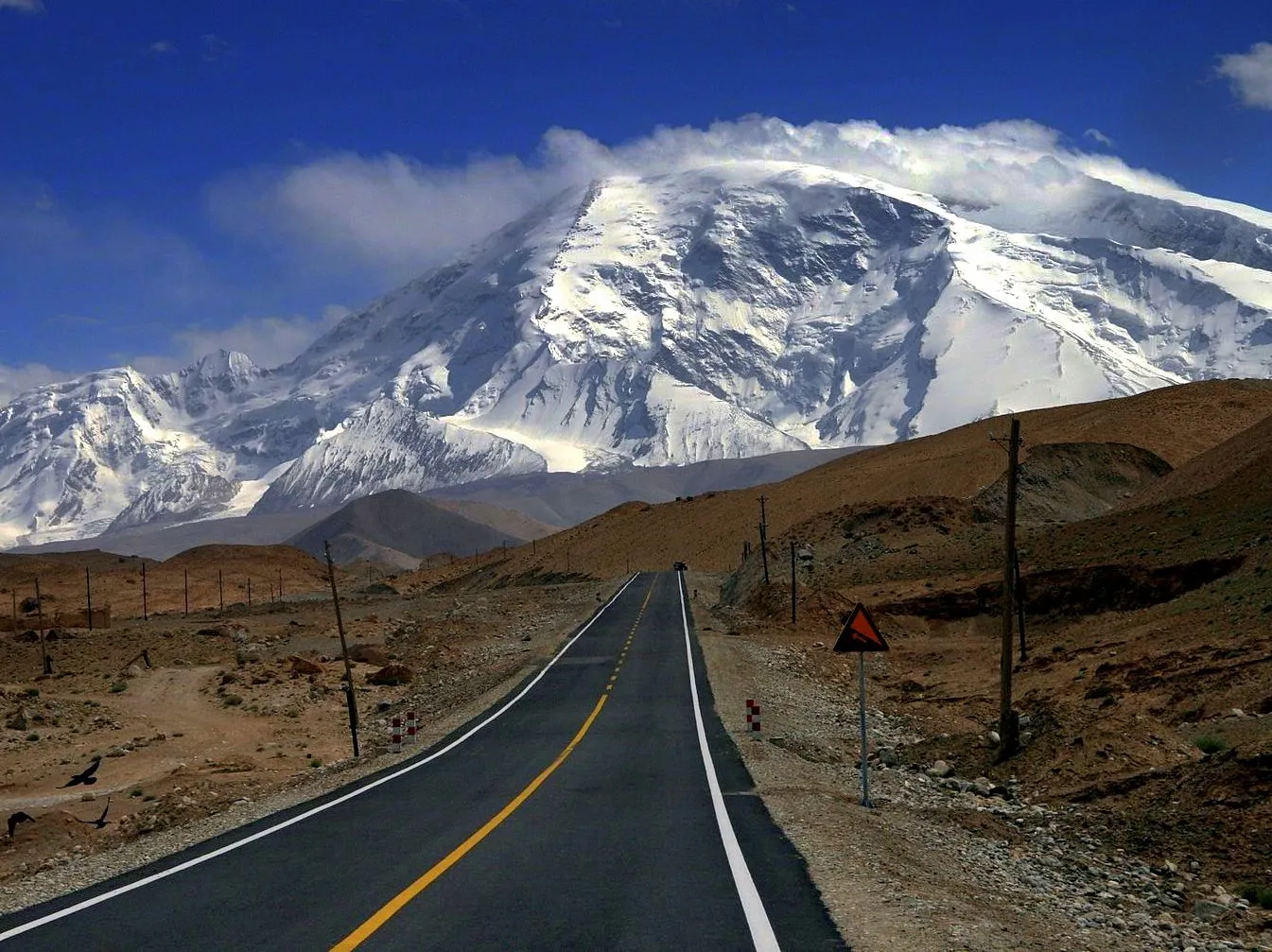
The Karakoram Highway is one of the most famous mountain roads in the whole world. It links Pakistan with China, and it goes through some of the most breathtaking scenery in Northern Pakistan. You basically roll past giant mountains and deep valleys, plus rivers, glaciers, little villages, and calm lakes, too. For a lot of travelers, driving along this highway turns into a kind of dream adventure, or at least it feels like it.
People from all around the world come to see this route, to enjoy the scenery in places like Hunza Valley, Passu, Attabad Lake, Gilgit, and Khunjerab Pass. The trip keeps shifting, like every few minutes, the landscape changes. One moment you may be driving near a fast-moving river, and the next moment you are looking at snow-covered mountains that stand so high, like they are watching you.
Thinking about your first road trip on the Karakoram Highway in 2026 can feel tricky at the beginning. Long travel hours and unpredictable weather, along with steep mountain roads, really require proper preparation. Still, if you plan the journey becomes smoother, safer, and honestly unforgettable.
This detailed guide will help you understand everything you need to know before you even start your first road trip on the Karakoram Highway.
History of the Highway
The Karakoram Highway existed before tourism development started. Pakistan and China constructed the highway together. The project began in 1966 and required more than two decades to complete. The road follows ancient routes that formed part of the Silk Road.
The construction of the road presented extreme difficulties. The workers who built the project died because of landslides and extreme weather conditions. People continue to honor their memory with their present-day remembrance. The road developed into a crucial route that supported the China-Pakistan Economic Corridor (CPEC) development.
New tunneling projects and upgraded road systems are currently undergoing construction. The systems create safer travel conditions for people who need to travel during flooding and landslide events.
Why the Karakoram Highway is Special
The Karakoram Highway isn’t just a road, joining two places on a map. It feels more like an adventure, with nature, culture, history, and those moments you remember forever, even when you stop thinking about it.
Stunning Mountain Landscapes
On this route, you move through three huge mountain systems, like a changing background all the time.
- Karakoram Range
- Himalayas
- Hindu Kush
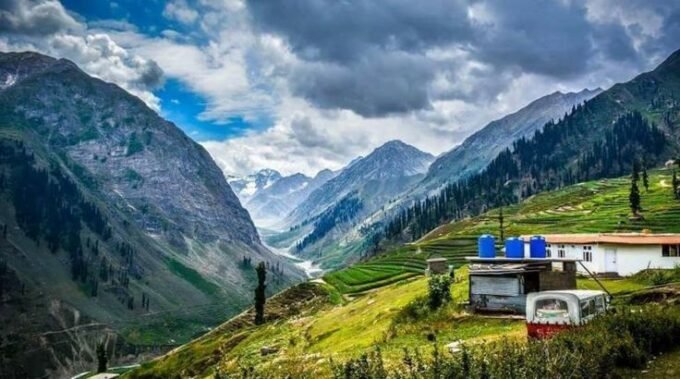
Along the way, travelers can notice towering summits, mostly snow-wrapped, especially in spring or autumn. Sometimes the mountains look so close to the road that it almost seems unreal, like someone placed them right beside you.
You will also run into a mix such as
- Rocky cliffs
- Green valleys
- Waterfalls
- Glaciers
- Fast-flowing streams and rivers
And after a few kilometers, it can feel like the whole world flips to a new scene, different colors, different moods.
Rich Local Culture
The KKH goes through villages where local customs are still very alive. So you do not only pass by, you actually meet people. Visitors often find kind communities, and you get to notice the simple mountain way of life in a real and calm way.
Many of these villages have
- Traditional stone homes
- Local handiwork and crafts
- Homemade meals
- Cultural festivals
- Old forts with stories
The people of Hunza, Nagar, Gilgit, and the nearby valleys are well known for hospitality and genuine kindness. You notice it in small things, and it makes the trip feel warmer.
Best Time for a Karakoram Highway Road Trip in 2026
Picking the right season can really change how the trip feels. Weather, scenery, and even the drivability of the roads all shift quite a lot depending on when you go.
Spring Season (March to May)
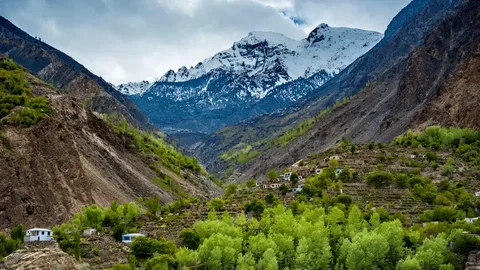
Spring is maybe one of the prettiest times to travel in Northern Pakistan. During this period, many trees start to bloom, and the valleys turn into a rich patchwork of color with flowers everywhere. In particular, Hunza Valley becomes kinda famous during blossom season, thanks to:
- Cherry blossoms,
- Apricot blossoms
- Apple blossoms
The temperatures are usually cool, and the days feel comfortable. Even when spring is in full swing, you can still spot snow on some mountain peaks, so the views look amazing, like bright blossoms below, and cold white ridges above. It’s not, you know, a simple background kind of scenery.
Spring is a great fit if you want :
- Photography
- Family trips
- Relaxed, peaceful travel
- Nature lovers
That said, higher stretches may still hold snow, so it’s smart to check road conditions before setting off. Don’t assume everything is clear just because spring has started.
Summer season (June to August)
In the Karakoram Highway, summer is kinda the busiest time for tourists. The roads typically stay open, and in most regions the weather becomes, let’s say, steadier or more predictable.
Travelers often like the whole thing for:
- Lush green scenery
- Pleasant mountain temperatures
- Open tourist spots
- Easier reach to higher altitude places
Summer suits people who want to bounce between several destinations within a single trip, more or less without too much hassle. But there is a catch. Some lower areas, such as Chilas and Kohistan, can get extremely hot. And in July, August too, certain mountain stretches may experience rain spells, along with landslides, which can slow things down.
Autumn Season (September to October)
Autumn is, in my opinion, one of the better seasons for a road trip along the KKH. It feels calm, like the whole road is breathing easier.
During autumn, things usually go like this:
- Trees turn golden and orange
- The sky clears up more often
- Tourist crowds get smaller sooner than you might expect
- The weather stays pleasant
The mix of colorful trees with snowy mountains makes some really amazing photo moments for people who love photography. Also, road conditions can be a bit friendlier in early autumn, since rainfall is less frequent. So yes, travel can feel smoother then.
Winter Season (November to February)
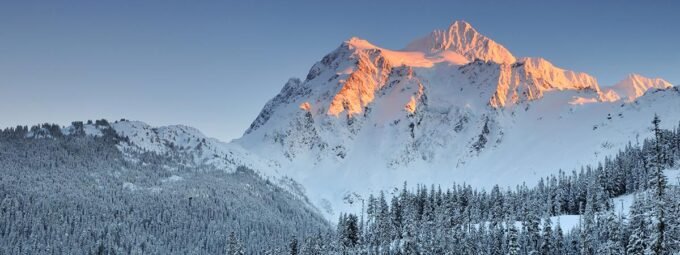
Winter turns the Karakoram area into a snow-filled dream. Mountains, highways, and even villages end up under thick white cover.
Winter is stunning, though it also brings a set of travel troubles that you can’t ignore:
- Snow on the roads
- Ice forming on highways
- Freezing temperatures in the air
- Possible road closures
Khunjerab Pass may shut down during heavy snowfall. In addition, some faraway villages become hard to reach. Not impossible, just more complicated. That’s why winter trips are often best for seasoned travelers who really understand mountain weather and how it behaves.
How many days should you plan?
A road trip on the Karakoram Highway should not feel rushed. The route is long, and many stops deserve a slow look and not a quick pass.
Ideal trip duration
For first-time travelers, a 7 to 12-day plan usually works best. It gives you enough room to:
- Rest properly
- Explore local attractions
- Spend time on photography
- Avoid nonstop driving fatigue
- And manage unexpected delays
Why Extra Days Matter
Some travelers try to complete everything in too short a window. Then stress shows up fast, and exhaustion follows. The beauty of the KKH is better appreciated slowly, step by step.
Extra days matter a lot on a Karakoram Highway road trip, because mountain travel can be kinda unpredictable. Weather flips around quickly, landslides can happen without warning, traffic can slow down, or there might be road repairs, so things tend to take longer than you expect. When you have extra time, it means you can move at a calmer pace and enjoy the whole ride a bit more smoothly.
Also, those extra days give you room to rest, wander around scenic spots for a longer while, and sort out weird little setbacks like vehicle troubles or even altitude sickness. With a more flexible plan, the trip ends up safer, less chaotic, and honestly more enjoyable.
Popular Road Trip Route
A lot of first-timers kinda stick to a basic 7-day path along the Karakoram Highway, and honestly, it works, most of the time.
Day 1: Islamabad to Besham
The trip typically starts quite early from Islamabad. Travelers go through the Hazara Motorway, then the Abbottabad region, catching views of the hills and the river, all the way.
Besham ends up being a common overnight stop because it sort of slices the long haul into smaller bits, so it feels less exhausting.
Day 2: Besham to Gilgit
This is one of those longer travel days. The route runs through Kohistan, and it has mountain roads, waterfalls, and plenty of Indus River viewpoints. Drivers should be extra mindful, as some roads can turn rough pretty quickly.
Day 3: Gilgit to Hunza
This leg feels scenic and calm. People usually stop at Rakaposhi View Point, Nagar Valley, and those small roadside cafés that you kinda find by chance. The whole landscape gets more dramatic as you move nearer to Hunza, and the vibe changes fast.
Day 4: Explore Hunza Valley
Hunza has a lot of things to explore. Visitors often spend the day around Baltit Fort, Altit Fort, Karimabad Bazaar, and the Eagle’s Nest viewpoint. Local bites, plus quiet cafés, also make everything feel more special, not just sightseeing.
Day 5: Hunza to Passu and Khunjerab Pass
This day covers well-known attractions: Attabad Lake, Hussaini Bridge, Passu Cones, Gulmit, and then Khunjerab Pass. As the altitude climbs, the air gets colder, and yeah, you feel it pretty soon.
Day 6: Return Toward Gilgit or Hunza
Travelers head back slowly on this one. Many times, they stop at places they didn’t manage to see earlier, so it kind of fills the gaps.
Day 7: Return to Islamabad
The last day is the drive back toward Islamabad. Depending on energy and travel pace, some travelers might add another overnight stop, just to keep things comfortable.
Choosing the Right Vehicle
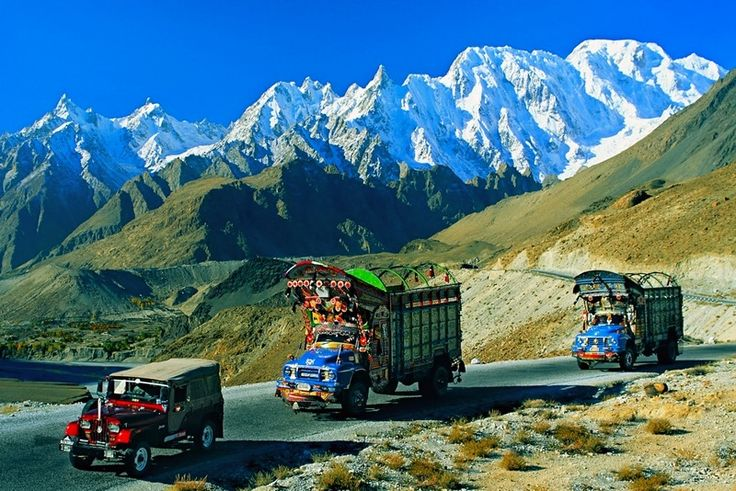
Picking the right vehicle is, like, really important for a Karakoram Highway trip. The road goes through big mountains, fast rivers and tight little valleys, so you want something strong, and dependable for both safety, and comfort.
Most people go for SUVs or 4×4 vehicles, because they cope with rough ground and steep climbs pretty well. Smaller cars can work too, but they sometimes run into trouble on broken stretches or when the mountain roads are wet, muddy, and not very forgiving.
Before you leave, check the brakes, tires, engine oil, and the cooling system too. Mountain driving is harsh on cars, so even a “small” issue can turn into a major one when you are far from help. Also bring a spare tire, along with basic tools, for safety in that kind of situation.
It’s also smart to refuel whenever you can, since fuel stations are limited in remote areas. Having extra fuel and water feels a bit safer on long routes.
Some travelers even hire local drivers. They know the roads, the weather rhythms, and the safer paths, which makes everything more manageable and calmer.
Budget Planning for 2026
The travel costs for the Karakoram Highway can vary a lot depending on how you like to travel and how much comfort you want. Some people keep it low budget, others go for comfort or even luxury. If you plan your budget ahead of time, it really helps you, and less stress shows up during the trip, like you know what to expect and when.
Main Expenses
- In general, your main expenses come from fuel, hotel stays, meals, and then vehicle rental or driver charges.
- You might also need money for entry tickets, small shopping stops, and for emergency situations.
- It’s always smart to keep extra cash with you, because unexpected costs can happen without warning, even if you’re prepared.
Budget Travelers
- Budget travelers usually go for simple guest houses or smaller hotels.
- They tend to eat at local restaurants, and they might use shared transport if it fits the route.
- That approach is cheaper, and it often works very well for students or solo travelers who don’t mind a little roughness in exchange for savings.
Mid-Range Travelers
- Mid-range travelers often pick comfortable hotels and private transport.
- They usually get better dining options, too, plus more convenience along the way.
- It feels like a sweet middle ground between cost and a smoother experience, not too strict, not too expensive.
Luxury Travelers
- Luxury travelers tend to prefer premium hotels, private SUVs, and professional tour guides.
- They also enjoy arranged services and customized travel plans that make everything more relaxed.
- This option is the most comfortable; however, the price level is clearly higher, so planning the budget carefully matters a lot.
Food You Should Try While You Go
Honestly, food is a pretty big part of the whole trip experience; it feels like it kind of pulls you in.
Traditional Local Dishes
Some of the favorite local foods are the following, and yes, you should try at least a few.
- Chapshuro
- Hunza bread
- Dumplings
- Yak meat dishes
- Local soups
You’ll notice these meals mirror the culture of the mountain communities, in a quiet kind of way.
Roadside Tea Stops
Tea stops on the highway are a nice relief, especially on long drives.
A lot of travelers end up enjoying:
- Traditional chai
- Mountain panoramas
- Small roadside cafés
Those brief pauses are often turned into the best little memories of the journey, even if they don’t take much time.
Common Challenges First-Time Travelers Face
Understanding what might go wrong can make things smoother for first-timers, you know, not perfect, but still better.
Motion Sickness
Mountain roads often have lots of sharp turns, and sometimes quick downhill sections too. If you are the kind of person who gets motion sickness easily, it’s smart to bring medicine. A small kit helps you.
Altitude Sickness
When you reach high elevation, your body may react, even if you feel ok at first. It can bring:
- Headaches
- Dizziness
- Tiredness
Some people also feel sort of weak. Drink water, move slowly, and get enough rest like you mean it.
Travel Delays
Road trips rarely go exactly on schedule, because life kind of pushes back. Delays may happen due to:
- Bad weather
- Road repairs
- Heavy traffic
- Landslides
Having flexible plans is basically a stress shield, so you can adjust without panicking.
Helpful Travel Apps
Travel apps can add a bit of safety and comfort too, especially when you’re far from any kind of help, or well, where you don’t really know the area. They feel small but they actually help a lot.
Navigation Apps
Offline maps are kind of a big win. This is mostly because internet coverage can drop off in rural areas or remote valleys, and once that happens, you might be stuck. With directions that work without data, you can keep moving, and it can save time, even if you are not totally sure where you are going.
Weather Apps
Checking the forecast each day helps travelers sidestep dangerous conditions. It’s a quick habit, but still, one glance before heading out matters more than most people think, especially when the sky changes faster than expected.
Booking Apps
Hotel booking apps let travelers secure a room ahead of time, particularly during busy travel seasons. That way, you avoid the late scramble, you know the one when everything is full. And honestly, it feels calmer, more practical, and a little safer.
Conclusion
Planning your road trip on the Karakoram Highway in 2026 can be a really exciting adventure. It is not about the stunning scenery. It also gives you a chance to feel the mountain culture, the quieter valleys, the local customs, and the old stories behind the travel routes that people used a long time ago.
From the valleys with flowers around Hunza to the icy parts near Khunjerab Pass, every part of the Karakoram Highway is different and kind of hard to forget. It also teaches you to take it and really appreciate the simple, natural charm of the Highway somewhere along the way.
Good planning is very important for the Karakoram Highway. You should pick the months for the Karakoram, check your vehicle, pack your things carefully, and always put safety first. In the end, the Karakoram Highway is more than a road trip. It is an experience that is made up of adventure, calm, and memories that stay with you for a long time.


Leave a comment