


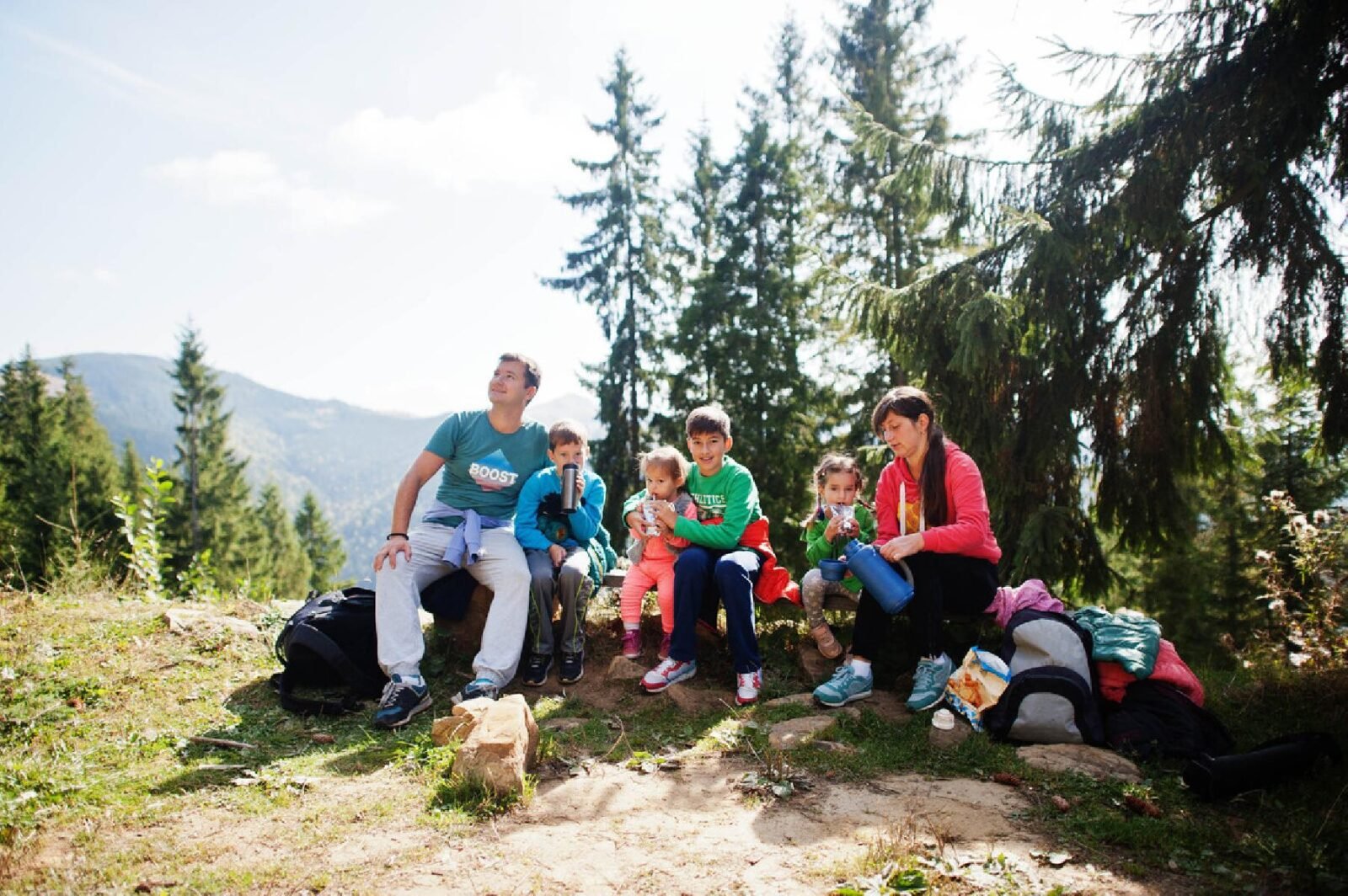
When you’re traveling with a newborn or infant, everything about your travel changes. Many individuals have no problem with long drives, irregular hours, late-night trips, or minimal hotels, before they become parents. But even the smallest of travel arrangements need to be carefully planned when a baby arrives. The subject of feeding schedules, naps, diaper changes, the weather, and health concerns all become the focal point of every trip.
Many parents in Pakistan still consider Hunza and Skardu to be dream destinations. Thousands of tourists flock to the snow-covered mountains, tranquil valleys, lakes, fresh air, and beautiful landscapes. But moms and dads have a question about these: whether they’re a good fit for babies or newborns.
The straight answer is yes, with a few caveats: travel slowly, be prepared appropriately, and have realistic expectations.
When going to Northern Pakistan with a baby, it is quite different from regular touring. It is possible that you won’t be able to see all of the attractions in a single visit. It may be a whole day of just getting your baby to sleep comfortably or coping with weather changes. Long roads on a mountain can tire you out, and rural areas may not be as convenient as large cities.
Meanwhile, many families talk about these adventures as some of their most fulfilling experiences of travel. They take more time to appreciate the serene moments between family members, quiet mornings, walking through the scenic trails, and slower rhythms.
This article brings in honest and practical tips to parents for trips with small babies to Hunza and Skardu. It includes transportation, weather conditions, lodging, food, packing, road travel, altitude issues, sleeping habits, and what to expect.
Although a family trip to Northern Pakistan can be uncomfortable, safe and memorable with patience and planning.
Is It Safe to Travel with a Baby?
Besides route and timing, parents need to prepare themselves for a different type of travel experience. Going mountain hiking with a baby isn’t an event of doing a list; it is all about taking into account #1: The baby’s needs. This attitude can help alleviate stress and make the trip fun for all involved.
One additional factor to take into account is health preparedness. Hunza and Skardu also have medical facilities, but they are not as developed and readily available as in larger towns or cities. Always include essential medicines, a basic first aid kit, and the prescribed medicine their baby may require in the pack. It’s also a good idea to remember where you can find the closest clinic or hospital along the route of your travels.
Another temperature sensitivity can’t be neglected. During the summer months, the temperature may drop unexpectedly low, particularly at night or at higher altitudes. It is important to layer and protect babies during the journey as they are more sensitive to changes in temperature.
Rest stops are also extremely significant to safety. Nonstop drives with no stops can be uncomfortable for infants and stressful for parents. Frequently stopping, feeding, stretching, and changing ensures the baby’s comfort when travelling and decreases irritability.
In conclusion, traveling with a baby in Hunza and Skardu is safe and enjoyable with preparation, patience, and realistic expectations. The main thing is to take the time, but to customize it to the baby’s comfort level and natural cadence.
The Hunza and Skardu atmosphere is peaceful and pleasant as compared to the hustle and bustle of the town. For many parents, the first visit with their child may be a memorable one. Families can explore the wonders of the world around them without having to rush through the attractions in order to get to the next one, since they can enjoy spending time together.
Traveling with a newborn or baby to Northern Pakistan does not need to be uncomfortable, unsafe, or unrewarding – it can be with the right preparation and patience. It may not be an ideal day every day, but the experiences and moments that are shared during the trip can last for years.
Hunza or Skardu – Which Is Better for Families?
If this is your first mountain trip with a baby, choosing between Hunza and Skardu matters.
Why Hunza Feels Easier
Typically, Hunza is more suitable for the family because:
- Roads are relatively simple.
- It is more convenient to reach attractions from the area.
- Hotels and cafes are more family-friendly.
- In many places, communication and the Internet have improved.
- It’s less hectic and more relaxed.
For example, Karimabad and Altit are particularly handy as parents can go sightseeing without having to spend whole days on rough roads.
Hunza is ideal for families that wish to:
- Relaxation
- Scenic views
- Comfortable stays
- Short sightseeing sessions
- Travel that’s less strenuous physically.
Why Skardu Requires More Patience
Another significant consideration is the travelling time. It takes some time longer to reach Skardu from Hunza, either by road or air. These extra driving times can be exhausting for families with babies, particularly as they must schedule feeding times, change diapers, and take frequent breaks.
Access to medical facilities is also less available in the remote area around Skardu than in more developed tourist areas. There are basic facilities in the main city, but access to specialist care might be longer. That is why parents are advised to bring essential medicines with them and to avoid unnecessary risks when going on excursions.
Another challenge is that of sightseeing itself. Some of the most scenic areas in Skardu can be reached only through rough roads and jeep trails, and these might not always be comfortable for babies to ride in. It is essential that parents put comfort before appropriate coverage and select only a handful of places to go rather than trying to see everything.
These difficulties do not detract from the incredible reward that Skardu offers. It has a unique and unforgettable landscape, but it is best to see it slowly at a leisurely pace with an infant. Parents who buckle down and give themselves more time to relax are far more likely to have a more enjoyable and manageable experience.
Best Age for Traveling with a Baby
The best age for travelling is when you’re still in your teens, but that’s not to say that other ages have their advantages.
0–2 Months
This is typically the most difficult time when traveling long distances.
It is necessary to feed the babies regularly, change their clothes often, and keep them warm. The parents are also still dealing with physical and psychological trauma.
3–6 Months
- This can be a time when many parents feel better as the baby’s behaviour improves frequently:
- Sleep more predictably
- Cry less
- Familiarize yourself with baby carriers’ requirements
- Be lightweight and compact.
- This age is generally regarded as the best for family travel.
6–12 Months
Travel is more dynamic and difficult. Babies learn to explore and are more active, and may not want to sit still on a long drive. May be constantly crawling and easily become restless. Realistic expectations are more important than being perfect on time, regardless of age.
Flying vs Road Travel
One of the most important decisions is whether to fly or travel by road.
Flying to Skardu
Parents find flying easier as they don’t feel as exhausted.
Flying helps babies to reduce the time it takes to travel, their feeding schedule is easier, and the overall road stress is reduced. However, the air flights to Skardu are weather-dependent, and sometimes flights are delayed or cancelled due to bad weather. Parents will need to have additional buffer days in their schedule.
Eating during take-off and landing can also alleviate discomfort in the ears.
Road Travel
It is a gorgeous but tiring road trip with babies to Northern Pakistan. Parents need to be ready for lengthy drives, congestion, bumpy roads, and frequent feeding and stopping for diapers. Dividing the trip into shorter segments and making frequent stops typically makes the trip much easier to manage.
Understanding Altitude
Another thing that parents need to be concerned about is altitude.
Hunza and Skardu are situated at a higher altitude compared to most of Pakistan’s cities. Although many babies do fine, parents need to keep a close watch on their babies.
Keep an eye out for the following:
- Unusual crying
- Feeding difficulty
- Vomiting
- Breathing discomfort
- Extreme sleepiness
Very young infants are not to be taken to places of extreme altitude without adequate recuperation by their parents.It’s better to use a gradual ascent.
For example:
- Spend a night in Islamabad or Chilas before Hunza
- But relax in Skardu before reaching the high regions
- Don’t have a hurried travel schedule
If symptoms appear to be out of the ordinary, it’s time to consult a doctor.
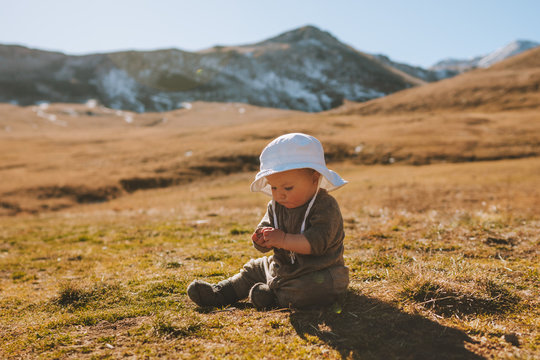
Packing Essentials for Infants
When travelling with a baby, packing is an essential aspect to get right.
The weather in Northern Pakistan is always unpredictable, and baby supplies may be limited.
Clothing Layers
Layering is more effective than having heavy winter clothing. Parents need to look towards comfortable layering rather than just bringing heavy winter clothing. In summer nights mostly get cool, so soft inner layers, warm jackets, socks, caps, comfy pajamas and light blankets are preferable.
Diapers and Wipes
The brand and size of diapers available in remote towns might not be what you like.
Useful items include:
- Extra diapers
- Wet wipes
- Rash cream
- Disposable changing sheets
- Plastic disposal bags
- Medicines
Parents should not solely depend on local Pharmacists.
Medicines
- Fever medicine
- Thermometer
- Nasal drops
- Pediatric prescriptions
- Gas relief drops
- Saline spray
Please check with your doctor before travelling.
Feeding Supplies
For all feeding options:
- Formula
- Bottles
- Sterilizing supplies
- Insulated bottle bags
- Baby-safe drinking water
Baby Carrier vs Stroller
A baby carrier is generally more helpful in Northern Pakistan.
The roads and pathways are uneven, and strollers are not easy to handle.
Carriers enable more mobility when sightseeing or walking in a village.
Feeding During the Trip
Feeding can become stressful during mountain travel if parents are unprepared.
Breastfeeding
Breastfeeding can make traveling easier because there’s always a place to feed.
But mothers need to concentrate on:
- Staying hydrated
- Eating properly
- Resting when possible
- Dressing comfortably
Nursing mothers can still find long drives fatiguing.
Formula Feeding
Planning needs to be done when using a bottle.
Parents need:
- Clean water
- Bottle sterilization methods
- Safe storage
- Reliable cleaning supplies
- Most parents pack thermos flasks, portable sterilizers, and pre-measured formula packs.
Maintaining good hygiene is still important during the journey.
Sleep Challenges While Traveling
Parents often hope that babies will sleep well in the mountains, but that can be a new place for babies, and they can be disruptive.
Some babies may have difficulties because of:
- Altitude changes
- Different temperatures
- Long travel days
- Hotel noise
- Irregular schedules
Tips That Help
Take Comforting Sleep Items. Items such as:
- Favorite blankets
- Familiar pajamas
- White noise machines
- Bedtime toys can assist babies in becoming emotionally secure. Continue to have a loose routine.
It may not be possible to stick to a strict schedule on the trip, but it helps to have the same bedtime routine.
Avoid Overpacked Days
Overstimulated babies can be over tired and overactive.
The best thing to do is to slow travel.
Choosing Family-Friendly Accommodation
The quality of accommodation is a major factor when traveling with a baby.
Comfort is more important than looks for parents.
Even the nicest hotel can be daunting when:
- The rooms are too cold
- Hot water is not consistent.
- A steep climb is required to access.
- Electricity frequently
I have trimmed away too many bullet points and used a more professional blog style to make it easy to read and scan for visitors to my website.
Final Thoughts
There’s a lot of patience, flexibility, and realistic expectations involved in traveling with a newborn or infant to Hunza and Skardu. Traveling with a baby makes things naturally slower on the mountain and parents who plan simply generally have a much better time. Making the trip less stressful and smoother is made possible by comfortable accommodations and packing, regular breaks, and attention to the baby’s routine.
Even though you have the best of intentions, there are some challenging moments on the way that are still possible, such as the weather, long driving hours, poor sleep, or unexpected delays. But the rough times can be matched by the tranquil and enjoyable moments families enjoy in the mountains. It is a challenging drive to make, but it is also the most memorable aspect of the trip, especially when the mornings are quiet, the scenery is picturesque, the air is fresh, and the time spent with the family is slow.


Leave a comment