


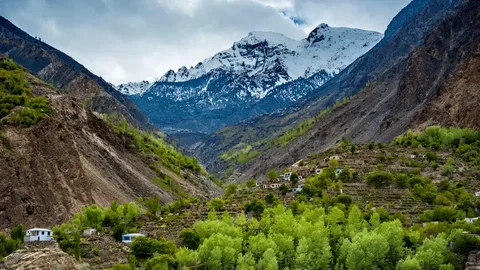
Today, Northern Pakistan has gained the status of one of the most favourite travel destinations for adventure lovers, trekkers, bikers, and families who want to get away from the hustle and bustle of urban life. The snow-peaks, alpine lakes, glaciers, and spectacular valleys of the region of Hunza, Skardu, and Naran Kaghan make thousands of travelers flock to the region annually. But many tourists don’t take into account one important factor, which can have a great impact during their journey: altitude sickness.
Going to a mountain would seem like a thrilling activity on social media, but in reality, traveling to high altitudes puts stress on the body. The higher you are, the less oxygen there is, and the more difficult it will be for the body to maintain normal function. Some people get a slight headache and tiredness, some get a serious headache and tiredness, and some people get serious symptoms that can make a dream vacation a dangerous one.
If you’re planning a trip to Hunza, Skardu, or Naran Kaghan, it’s important that you know what to expect when you experience altitude sickness. From vacationing with the family to road tripping, camping trips, or trekking out, it is very crucial to learn how to avoid and cope with altitude sickness.
This guide covers all the information a traveller will need to know about altitude sickness in Northern Pakistan, including symptoms, causes, measures to avoid altitude sickness, signs of emergency, suggestions for recovery, and practical tips for travelling to mountainous areas of Northern Pakistan.
What Is Altitude Sickness?
Altitude sickness (AMS) is a condition that occurs when the body does not adjust to lower levels of oxygen at higher elevations. The higher you get, the less oxygen you take in per breath due to a reduction in air pressure.
People who come from low-lying cities can see the effects when they suddenly come to a mountain area above 2500m. It takes time for the body to get used to it, but travelling too fast without having acclimatised raises the likelihood of illness.
Anyone can get altitude sickness, regardless of age, fitness, or travel experience. Symptoms can occur if people climb too quickly, even healthy people who exercise regularly.
Why Altitude Sickness Is Common in Hunza, Skardu & Naran Kaghan
Hunza, Skardu & Naran Kaghan are places where altitude sickness is very common due to several reasons.
There are several high-altitude places in Northern Pakistan where the air is less dense. Many tourists come from far away on a short timeframe, allowing little time to adapt.
Hunza
Hunza Valley is at a higher altitude than other big cities in Pakistan. Some of the popular places, such as Eagle’s Nest, Passu, Khunjerab Pass, and the nearby trekking routes, are even higher. If one drives from Islamabad to Hunza within 1 or 2 days, he or she might experience a headache, dizziness, or difficulty in breathing after reaching there.
Skardu
Skardu is the starting point for the high mountains of the world, such as the Baltoro glacier and K2. The areas visited at Deosai Plains, Shigar Valley, Basho Valley, and trekking towards the Concordia are areas of high elevation where the amount of oxygen available is greatly reduced.
Naran Kaghan
Some areas of Gilgit-Baltistan are lower than Naran Valley and Kaghan Valley, but Babusar Top and Lake Saif ul Malook are still at high altitudes. A sensitive traveller may aggravate their condition with sudden changes in weather and physical activity.
Common Symptoms of Altitude Sickness
The signs and symptoms of altitude sickness typically manifest several hours after climbing to high altitudes. In severe cases, symptoms are similar to dehydration or exhaustion, making the early warning signs easily overlooked.
Mild Symptoms
- Headache
- Dizziness
- Fatigue
- Nausea
- Loss of appetite
- Difficulty sleeping
- Difficulty breathing while walking.
- Increased heartbeat
- Weakness or tiredness
Most have mild symptoms and can be resolved with rest, hydration, and good acclimatization.
Moderate Symptoms
- Severe headache
- Vomiting
- Extreme weakness
- Difficulty walking properly
- Chest tightness
- Persistent dizziness
Rapid breathing during sleep (even when resting)
Anyone with moderate symptoms should never shrug them off, as they can get worse rapidly.
Severe Symptoms
If left untreated, serious altitude sickness can be life-threatening.
Danger signs include:
- Confusion
- Lips or fingernails that are blue in color
- Severe breathing difficulty
- Weakness or difficulty standing or walking
- Continuous coughing
- Fluid in lungs
- Loss of consciousness
If the traveler develops severe symptoms, a lower altitude should be reached ASAP, and medical care should be sought.
Who Is More Likely to Experience Altitude Sickness?
Altitude sickness can affect anyone, but certain factors increase the risk.
Rapid Ascent
The rapid change between a low-altitude city and a mountainous area is more dangerous. It is possible to drive from Islamabad to Hunza or Skardu without any breaks, and this can be stressful for the body.
Lack of Hydration
Cold mountain weather makes people less thirsty, which leads to dehydration. Be wary, dehydration aggravates headaches and fatigue.
Overexertion
Symptoms can occur more rapidly if someone hikes, climbs stairs, treks, or walks long distances directly upon arrival.
Alcohol and Smoking
Alcohol impairs the ability to absorb oxygen and causes dehydration. The effect of smoking on reducing oxygen intake also makes it harder to breathe at altitude.
Pre-Existing Medical Conditions
Individuals with respiratory, heart, asthma, or blood-pressure problems should talk to their doctor before going to high altitudes.
How to Prevent Altitude Sickness
Prevention is always better than treatment. Most travelers can avoid serious problems by following simple precautions before and during the trip.
The following methods may help reduce the risk of altitude sickness.
It is better to prevent than to treat. Most travellers will not experience serious issues if they take some simple precautions prior to and during travelling.
Travel Slowly
Time is required for adjustments to elevation changes. Take a warden overnight stops on the way to Hunza or Skardu rather than driving all the way straight to Hunza or Skardu.
For example:
Overnight stay in Besham, Chilas, or Naran before going to the higher areas
- Wait at least 24 hours before exploring.
- Don’t do any long hikes on the first day.
- Slow acclimatization is a great way to minimize risk.
Stay Hydrated
One of the best ways to avoid getting altitude sickness is to drink plenty of water.
The dehydration that can occur on the mountain is a result of:
- Dry air
- Cold temperatures
- Physical activity
- Long road journeys
Consume water frequently, even when it’s not needed. Other fluids that can keep you hydrated include warming soups, herbal teas, and electrolyte drinks.
Watch for too much caffeine and sweetened beverages, as they can cause dehydration.
Eat Light and Healthy Meals
Eating foods that are high in fat tends to exacerbate symptoms of nausea and fatigue at altitude.
Make meals:
- Light
- Nutritious
- Easy to digest
The following are good travel foods:
- Fruits
- Rice
- Bread
- Eggs
- Vegetables
- Soups
- Dry fruits
Foods high in carbohydrates can help the body utilize oxygen.
Avoid Alcohol During the First Days
Many visitors enjoy a late night after a long day of hiking, and a large supper, but alcohol messes with acclimatization.
Try not to drink alcoholic beverages for the first 24-48 hours after you arrive at a high-altitude site. This allows the body to acclimate itself appropriately.
Get Proper Rest
No sleep means a weaker ability of the body to adapt.
Upon reaching the town of Hunza, Skardu, or Naran Kaghan:
- Sleep early
- Avoid overexertion
- Avoid strenuous hikes and do short walks
- Allow your body to get used to the effects of travel fatigue.
- Rest can be beneficial with regard to oxygen utilization and energy availability.
Use Medication Carefully
Medicines such as Diamox (Acetazolamide) are sometimes used to prevent altitude sickness. But, medication should not be used without a health care provider’s advice.
Taking medicines without knowing the correct dosage or side effects can cause more health issues.
Best Acclimatization Tips for Hunza Travelers
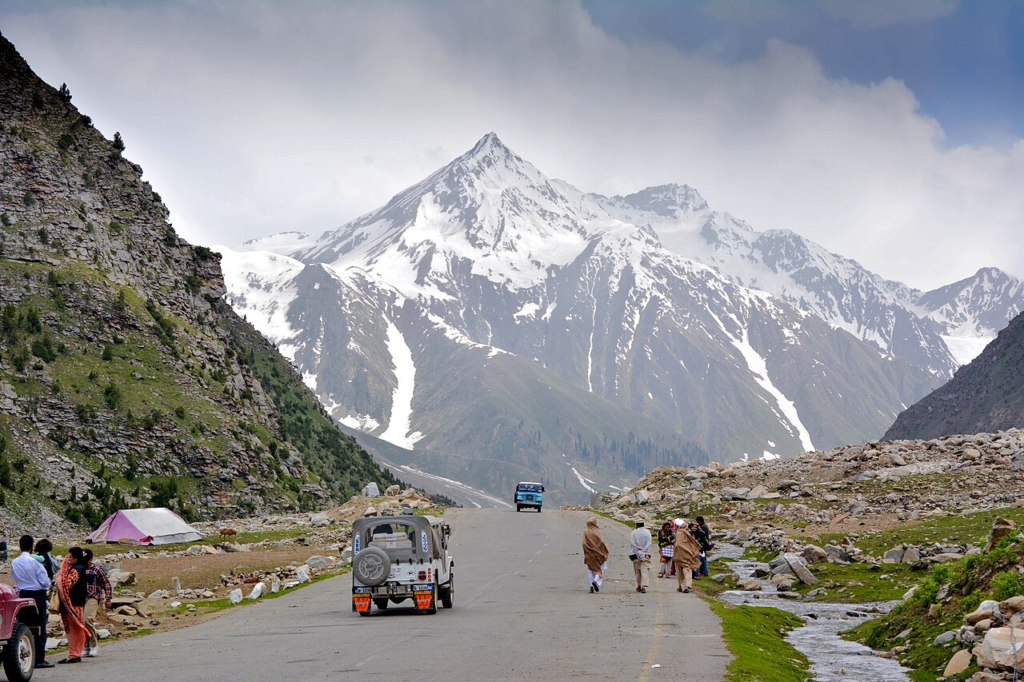
Hunza is an excursion of long road trips, through rugged mountainous roads, leaving the travelers physically tired even prior to their arrival in the region.
Recommended Tips
- Overnight stopover in Naran/Chilas on the way.
- When arriving, do short strolls.
- Don’t hike up close to steep vantage points right away.
- Hydrate yourself while driving on the road.
- Wear warm clothing as cold weather is a strain on the body.
The visitors should be extra cautious while traveling through the Khunjerab Pass due to its high altitude.
Best Acclimatization Tips for Skardu Travelers
High- altitude sightseeing and trekking are typically part of Skardu trips.
Important Advice
- Avoid activities for at least a day after arrival.
- Restrict physical activity at first.
- Bring warm clothing as the cold temperatures can increase tiredness.
- Don’t rush towards Deosai or trekking routes right away.
- Drink plenty of fluids during jeep rides and hikes.
For those planning a trek to K2 Base Camp or to Baltorvi, it is recommended to use professional acclimatisation schedules.
Best Acclimatization Tips for Naran Kaghan Travelers
Not only do families and tourists come to visit Naran Kaghan, but in many cases, many people complain of getting a headache or dizziness from visiting Babusar Top or Lake Saif ul Malook.
Safety Tips:
- Do not run or overwalk at the higher elevations.
- Keep children hydrated.Pack food when traveling long distances.
- If symptoms develop, take a rest.
- Go back up if it is uncomfortable.
Travelers should also be ready for cold winds and unexpected rains, as the weather can turn extreme in Naran Kaghan in a short period of time.
What to Do If You Experience Altitude Sickness
Symptoms can occur even in the careful traveller. Early intervention can help avoid the onset of complications.
Stop Climbing Higher
If there are symptoms, stay away from higher elevations. The condition could get worse if ascending further.
Rest Immediately
Rest and refrain from exercise. If the symptoms are mild, they may get better with a few hours’ sleep.
Drink Water
Drinking water keeps you from getting headaches and getting tired.
Eat Something Light
- Any small meal or snack will replenish energy.
- If oxygen is available, use it.
- In mountain areas, some hotels, camps, or medical establishments offer oxygen services to travellers.
- Descend if symptoms worsen
The best remedy for serious altitude sickness is to descend to a lower elevation.
Always take seriously any difficulty breathing or confusion.
Emergency Warning Signs Travelers Should Never Ignore
It is very easy to mistake serious altitude sickness for tiredness. However, certain symptoms require immediate medical attention.
If a person has:
- Severe breathing difficulty
- Inability to walk
- Blue lips
- Continuous vomiting
- Chest pain
- Extreme confusion
- Fainting
A cough that has a fluid, sustained sound
Essential Packing List for High-Altitude Travel
With adequate preparation, travelers can better cope with mountain conditions.
Items to Take:
- Water bottle
- Electrolyte sachets
- Warm clothing
- Sunscreen
- Lip balm
- Energy snacks
- Personal medication
- First aid kit
- Portable oxygen canister
- Comfortable walking shoes
Physiological stress while travelling can be minimised by good preparation.
Why Children and Older Travelers Need Extra Care
Hunza, Skardu, and Naran Kaghan are popular holiday destinations for families. Children and older adults can safely visit these locations, but may need some extra attention.
For Children
- Keep them hydrated
- Kidneys are not a good place to work up a sweat.
- Be alert for unusual tiredness or irritability
- Dress them warmly
For Older Adults
- Travel slowly
- Avoid overexertion
- Keep checking blood pressure and breathing. Keep checking the blood pressure and breathing.
- Rest frequently
People with chronic diseases should try to evaluate their health status with their physicians before their hike.
The Role of Weather in Altitude Sickness
High altitudes may make you more uncomfortable in the weather.
Cold, breezy, wet, and snowy weather adds stress to the body. Cold temperatures can also cause poor circulation and fatigue.
Travellers need to check the weather forecast before entering mountain areas and not travel under stormy weather or when roads are blocked.
Can Fitness Prevent Altitude Sickness?
A lot of people think that people who are physically fit are immune to altitude sickness, but this is not correct.
Fitness helps develop stamina, but altitude sickness is primarily due to the body’s response to lower oxygen. Even professional athletes can get symptoms if they “climb too fast.
Acclimatization is still pertinent for all.
How Long Does Altitude Sickness Last?
If a traveler rests and drinks fluids, mild altitude sickness will improve within 24-48 hours.
However, if the following conditions are present, symptoms may last longer:
- The traveller continues to climb up
- Hydration is poor
- Physical activity levels are still high.
- Weather conditions are harsh
- Medical treatment and descent are required for severe cases.
Safe Travel Habits for Northern Pakistan
Tourists can travel to the mountains much safer if they do so responsibly.
Practical Safety Tips
- Start journeys early in the morning
- Do not drive at night in a mountain area.
- Ensure emergency contact numbers are at hand
- If symptoms become more severe, tell the hotel personnel.
- Do not ride with inexperienced drivers.
- Bring maps and off-line data, plus a power bank.
Enjoying the Mountains Without Risk
The beauty of Hunza, Skardu, and Naran Kaghan is truly memorable. The majestic mountains, calm lakes, glaciers, and fresh mountain air ensure experiences that will remain with the traveller for life. But don’t underestimate the power of altitude.
Numerous instances of altitude sickness are caused by tourists attempting to do too much too quickly. It can be a serious medical issue when travelers rush through a destination, fail to drink enough water, or ignore symptoms.
Fortunately, most altitude sickness symptoms can be avoided. Travelers can enjoy Northern Pakistan safely with the following tips: Slow travel, adequate rest, adequate fluid intake, proper diet, and being aware of symptoms.
In all family trips to Hunza, Road trips to Naran Kaghan, and Adventure trips to Skardu, it is imperative to pay respect to the mountains.
Traveling smartly, getting your body used to the northern region of Pakistan, and enjoying the awesome beauty of Pakistan safely and comfortably.


Leave a comment