


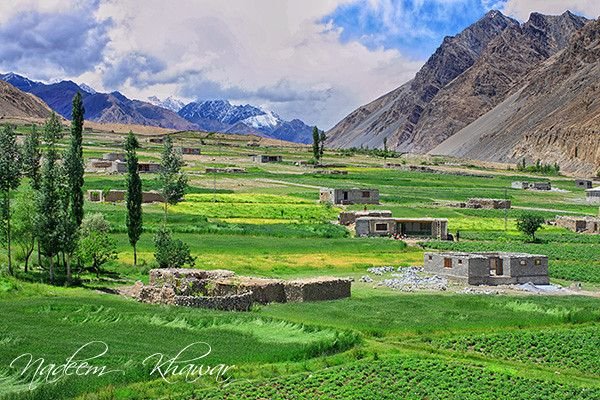
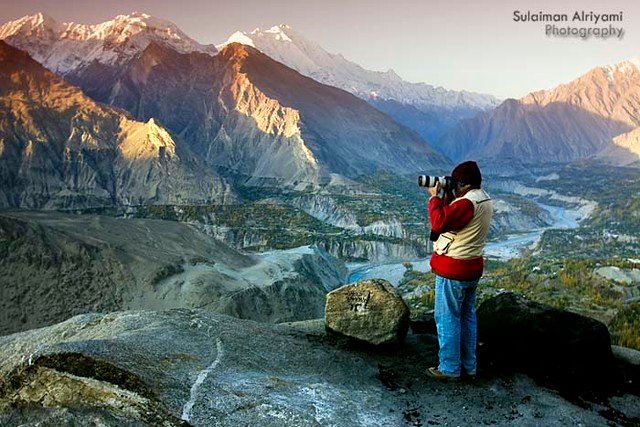
The northern mountains of Pakistan contain many beautiful locations, but the Gojal Valley remains one of the most memorable areas throughout this region. The world that exists between snow-covered peaks and blue rivers, peaceful villages, and kind local people creates a distant atmosphere from active urban centers.
Gojal displays its true beauty, which exists beyond its natural scenery. The Wakhi communities express their identity through their traditional practices and linguistic heritage, culinary traditions, and everyday activities.
The renowned destinations Attabad Lake and Passu Cones and Khunjerab Pass attract many visitors, yet the authentic character of the area emerges through its rural communities. The passage of time in this place operates at a relaxed and tranquil tempo. TFamilies sit together for tea, elders share old stories, and people value respect, community, and simple living.
Gojal residents require cultural knowledge to adapt to life in their community. It means spending time with families, enjoying homemade food, learning local customs, and appreciating the calm rhythm of mountain life. The guide shows you Gojal and Wakhi villages through their genuine cultural practices and traditional celebration methods, local cuisine, and daily activities.
Where is Gojal?
Gojal exists as a location that people can find through its geographical coordinates.
Gojal Valley exists in northern Pakistan as the upper territory of Hunza Valley. The region lies beside the Karakoram Highway, which extends to the Chinese border. The area exists between two of the highest mountain ranges on Earth.
The area contains multiple attractions that showcase the beauty of Wakhi villages. The villages exist in a natural setting, which includes glaciers, rivers, and breathtaking mountain vistas. The cultural traditions of the local people possess greater strength than the natural beauty of the area.
Understanding the Wakhi People
The Wakhi people have existed as a community since ancient times across the mountainous areas that stretch through Central Asia and South Asia. Their culture shows kindness and hospitality, honest behavior, and strong community bonds.
The Wakhi language belongs to the Eastern Iranian language family. Many families maintain Wakhi as their home language while they use Burushaski, Urdu, and English for educational and public activities.
Wakhi communities base their cultural identity on their deep connection to the natural world. Mountain life teaches people to develop three important skills, which include patience, teamwork, and survival. Extreme winter conditions, together with isolated mountain areas, have created close-knit relationships between families and their neighbors.
Important Values in Wakhi Communities
Respect for Elders
Elders hold an important place in village life. Villagers treat their opinions as valuable because they help families make important choices.
Community Support
People create social bonds when they assist each other with farming work and construction projects, wedding celebrations, and times of need. People regard their collaborative efforts as an essential aspect of their everyday existence.
Simplicity
Most families follow a simple lifestyle that emphasizes educational pursuits and family bonds, agricultural activities, and their relationships with their community, instead of pursuing material wealth.
Hospitality
Guests receive special treatment through hospitality, which shows them both care and respect. Families in small homes provide their guests with tea, bread, and friendly conversation.
The Beauty of Village Life
Wakhi villages create a peaceful atmosphere through their natural way of life, which determines their daily activities. The environment offers you peaceful sounds through river streams and bird songs, and children playing in the open area.
Homes in the area use stone, mud, and wood as their main building materials. The design of traditional houses enables them to maintain internal warmth during the winter season. The interiors of some homes display traditional local designs through their wooden ceilings, which show carved patterns and basic decorative elements.
Villagers follow these daily activities when they start their day.
- Animal feeding begins at dawn
- People fetch water from nearby water sources
- Farmers work in their fields and orchards
- People prepare bread using their home ovens
- Neighbors share tea during their visits
- Families spend their nights together while they share their daily experiences
People choose to spend time with each other instead of watching content on screens and devices. This creates stronger family relationships and a close community environment.
Local Home Accommodation
The most important experience in Gojal happens when visitors share their time with residents. The homestay system provides visitors with genuine insight into local life through its authentic and respectful approach.
Community participation begins when you start taking part in family responsibilities. You can join the family during their meals and assist with cooking while you listen to their stories about village history and mountain living.
What Makes Homestays Special?
Staying in a local homestay in Gojal Valley gives you a chance to experience the real lifestyle of Wakhi villages. The experience allows you to engage in everyday village activities beyond viewing the mountains and their well-known locations.
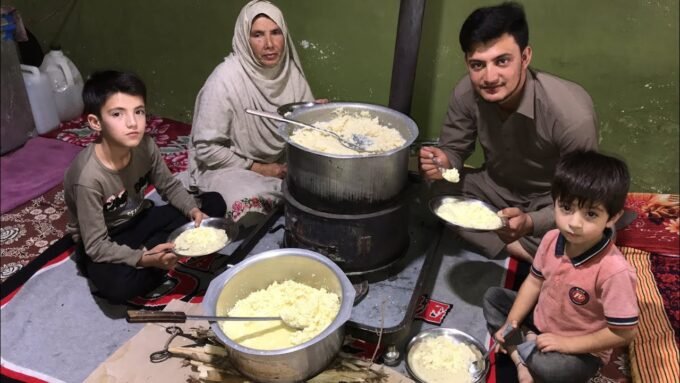
You share meals with families, sit together for tea, and learn about local traditions in a natural way. The combination of peaceful surroundings and authentic hospitality creates unforgettable experiences at homestays. Here are the following reasons why homestays feel so special:
Traditional Food
The majority of the meals at this establishment are prepared through traditional cooking methods, which use ingredients sourced from nearby areas. Many households serve fresh bread, butter, yogurt, and organic vegetables as standard food items.
Real Conversations
You learn directly from people who have lived in the mountains for generations. The most memorable aspect of the experience comes from these conversations.
Quiet Environment
The village experiences peaceful and serene nights. The night sky becomes filled with stars while the street noise renders city life completely unrecognizable.
Cultural Learning
Your time with local families helps you learn about local customs, greetings, and traditional practices. You also begin to understand the values of respect, hospitality, and community life that are deeply connected to Wakhi culture.
Homestays also support local communities because the income stays within the village.
Traditional Wakhi Food
The food traditions of Gojal show how mountain people live their daily lives. The people who live there have developed meal customs that provide them with healthy food that gives them the needed energy for their farming and work duties.
The kitchen produces various dishes which use wheat and barley, yak products and dairy products, potatoes, and fresh produce according to the seasonal availability of vegetables.
Popular Foods in Wakhi Villages
Dowdo
Dowdo is a traditional noodle soup that people prepare during snowy days. The dish provides both warmth and comfort while delivering a delicious taste.
Chapshuro
Chapshuro is a stuffed bread filled with meat and spices. The dish has become one of the most popular foods throughout northern Pakistan.
Yak Butter Tea
Mountain communities use this tea product, which contains salt, as their traditional drink. People use this beverage to maintain body heat during extreme cold conditions.
Homemade Bread
Many households bake fresh bread, which they serve with butter, honey, and tea throughout the day.
Apricot Products
The people of Hunza and Gojal consider apricots as their most crucial fruit. Families use drying methods to preserve apricots for winter while they process the fruit into oil, jam, and juices.
Dining Is More Than Eating
The family meal experience lasts for multiple hours because people want to spend time together. Families spend long periods at the dinner table to carry on their conversations. People use food as an opportunity to connect with others while they share stories and life events.
Farming and Seasonal Life
Farming functions as a vital component of existence in the Gojal Valley. Families cultivate potatoes, wheat, barley, peas, and vegetables in their small fields, which are located near their homes. Many Wakhi villages feature fruit trees but apricot trees constitute the most common type of fruit tree found in these villages.
The seasonal changes of the year bring different alterations to village life. People dedicate their time to fieldwork and animal husbandry activities from spring through summer. The autumn season marks the beginning of harvest time when families gather their crops and process fruits into drying storage for the upcoming winter months.
Gojal experiences a silent winter season because of its frigid temperatures and heavy snowfall. Families increase their indoor time while they eat together and share stories and create handicrafts and get ready for the upcoming agricultural season.
The Importance of Music and Dance
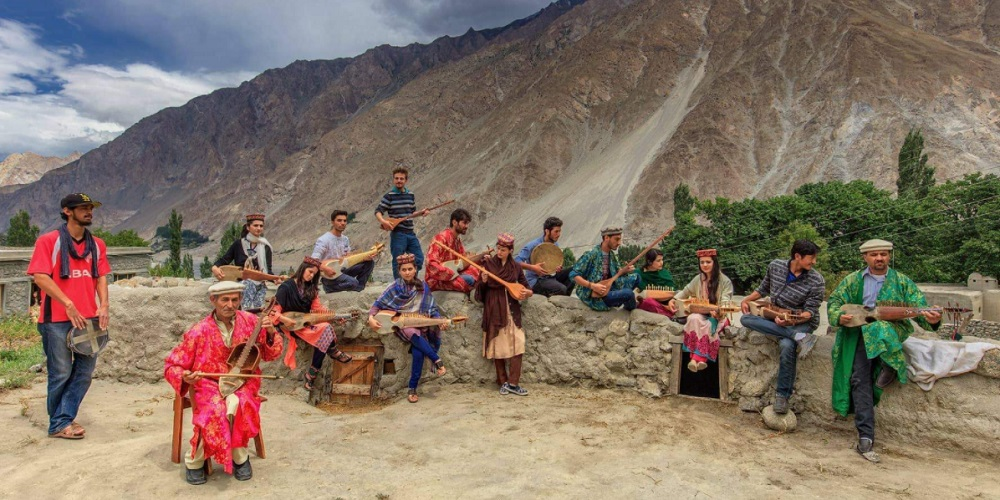
Music exists as an enduring element of northern Pakistan mountain culture. The Wakhi people use music as a part of their wedding ceremonies, their various festivals, and special events. The traditional instruments produce soft emotional sounds that fit the tranquil mountain surroundings.
Common Cultural Performances
The following are the common cultural performances in the region:
Traditional Dance
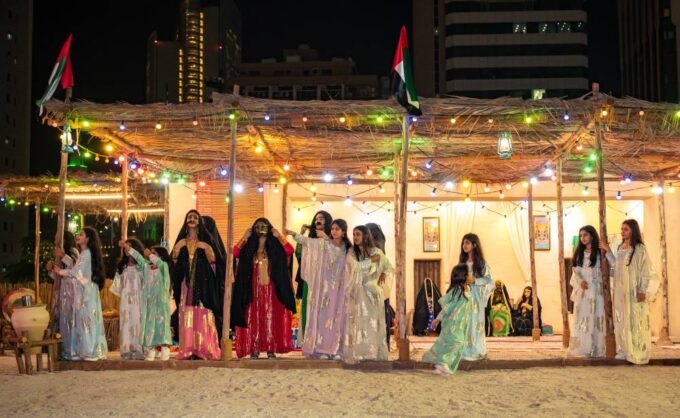
During celebrations, people perform group dances. The dancers move in circular patterns while music plays in the background.
Folk Songs
The songs narrate stories that describe love relationships, mountain landscapes, migration journeys, family ties, and historical events.
Local Instruments
Cultural events feature traditional musical instruments, including the rubab and the flute as essential components.
Music serves as a tool to maintain cultural identity while it enables young people to connect with their ancestral heritage.
Festivals and Celebrations
Village festivals create a vibrant atmosphere that brings happiness and unites the community. The events help families bond together while they build friendships with others.
Important Celebrations in Gojal
Here are the following important celebrations in Gojal:
Navroz
Mountain communities celebrate Nowruz as their spring festival, which marks the start of their new year. Families start their new year celebrations by cleaning their homes and cooking traditional dishes.
Ginani Festival
The traditional harvest festival celebrates the wheat harvest through this event. People show gratitude to nature for their food supply while they request success through their prayers.
Weddings
Village weddings typically last for multiple days, which include music and dancing and community festivities.
The celebrations serve a purpose beyond providing entertainment. The celebrations help maintain traditional practices while uniting different groups of people.
Learning Local Traditions
People need to understand local customs because they will spend time in Wakhi villages. Respect helps build strong relationships, which leads to more meaningful cultural experiences.
Helpful Cultural Practices
- Elders should be greeted with proper respect
- When someone offers tea it should be accepted
- Villagers should wear modest clothing
- People need to ask permission before taking pictures of others
- People need to take off their shoes when they enter homes which the host requests
- People should listen more than they talk during their conversations
Mountain communities in Gojal highly value small acts of respect which are considered important.
Education in Gojal
People in Gojal show strong dedication to education because it stands as one of the most motivating aspects of the region. Families in remote mountain villages actively push their children to pursue education.
Schools in the region help students from different countries continue their studies at universities located in Pakistan and other international destinations.
Why Education Matters Here
The mountain environment presents difficult challenges for people to overcome. Education provides young people with chances while also developing their community.
Women in Wakhi Communities
Women perform essential functions throughout village operations. Their work extends to agricultural activities, educational tasks, domestic responsibilities, and business operations.
In many villages, women are involved in:
- Teaching
- Handicrafts
- Running small businesses
- Farming activities
- Community programs
Women use cooking, storytelling, embroidery, and music to protect cultural heritage.
Traditional Handicrafts and Local Skills
In the Wakhi villages of Gojal Valley handicrafts serve as vital elements which shape the daily activities of the community. People create many useful and beautiful items by hand using simple tools and natural materials. Family members pass down their skills to younger generations through their training methods which families practice.
The region has its most widely practiced skill as people work with wool materials. The mountain region requires warm winter clothing which includes socks and caps and shawls and carpets. People practice embroidery to create colorful designs which they apply to their clothing and home fabrics by stitching traditional cultural patterns.
Village residents practice woodwork while they create small handcrafted products. Some homes and tools are decorated with simple carvings. The community uses these handicrafts to support their daily activities while they maintain their traditional knowledge base.
The Role of Nature in Daily Life
The daily life of Wakhi communities in the Gojal Valley depends on their connection to nature. The natural environment, which includes mountains, rivers, glaciers, and seasonal changes, provides essential resources for both agricultural activities and water distribution, and the basic needs of people who live there. The people in this area base their existence on the natural patterns that govern the environment.
Humans require natural resources for all their needs, which include agricultural production and animal husbandry. Farmers utilize glacier water for their irrigation needs while cattle herders use the open mountain pastures to graze their animals during the summer season. People use trees and plants to obtain food and fuel and to create safe spaces for their activities.
The community shows deep respect for nature because of its strong bond with the environment. People understand that protecting nature means protecting their future. The connection with the land enables people to live simply and harmoniously through their mountain-based lifestyle.
Why Cultural Experiences Matter More Than Checklists
Most tourists visit northern Pakistan with their main interest in its renowned historical sites. However, visitors to Gojal soon discover that authentic experiences matter more than any tourist attractions.
- A cup of tea with a family.
- A conversation with an elder.
- Children laugh while playing in the streets of their village.
- The village produces traditional music that plays during the nighttime hours.
- The observer experiences complete silence while watching the mountains rise up to meet the first light of dawn.
Photographs fail to capture the emotional bonds that these moments establish with people.
Challenges Facing Traditional Village Life
The difficulties that traditional village life experiences. The mountain communities are undergoing a gradual transformation through modern technological advancements, which include road construction, new technological developments, and social media platforms.
Younger people today show decreasing interest in certain cultural traditions. The world faces severe problems because climate change causes glaciers to melt and weather patterns to change.
- The present challenges show
- Scientific research shows
- People are moving to urban areas
- People are losing their native tongues
- The world is facing rapid changes
- Tourism activities are growing, which creates more visitor demands
The protection of local cultural traditions needs development and preservation efforts to reach a state of equilibrium.
What You Truly Take Back From Gojal
Time spent in the Gojal Valley is not only about beautiful mountains and clear rivers. It becomes more about feelings, people, and simple moments that stay in memory for a long time. The local families show kindness to visitors while people in the village maintain their slow life pace which creates a peaceful atmosphere in the mountain silence.
People tend to remember small details more than they remember major geographical sites. A family shares a warm cup of tea with their relatives while children play in the narrow village paths, and elders share old stories, and people enjoy quiet evenings beneath the starry night sky. The moments appear simple, but they possess significant importance.
The second important thing that you take back from this experience is your new way of thinking. Gojal life teaches people to develop three essential values, which include patience and respect, and gratitude. The study demonstrates that happiness develops from three essential components, which include basic daily activities, strong social connections, and natural surroundings. Many people begin to value time, relationships, and peace more deeply after experiencing this lifestyle.
Conclusion
Gojal serves as an educational destination that teaches life lessons through its resident people and their traditional way of life. The experience stays with you long after you leave because it connects you with simplicity, kindness, and nature. Your entire experience brings back to you more than just mountain memories because it transforms your understanding of existence into a new way of viewing life.



Leave a comment