


I nearly went to the hotel in Karimabad. It had all the things that I was hoping for after traveling a long way, cosy rooms, good beds, a working hot water system, even a rooftop café where I could sit, whilst keeping my comfort and gazing at the mountains. It was the logical thing to do. With all those hours on the bumpy roads of the mountain, you would want something easy and predictable.
However, when a friend commented, “The hotel was okay, but the family I stayed with later — I still remember them, I’ll never forget them!”, it stayed with me longer than I had thought.
That one sentence made a difference. It left me feeling like the old days before I got to the hotel. Then I had to change my plans and take a homestay, in no way sure what I was signing up for.
It’s Not Just Accommodation — It’s Someone’s Home
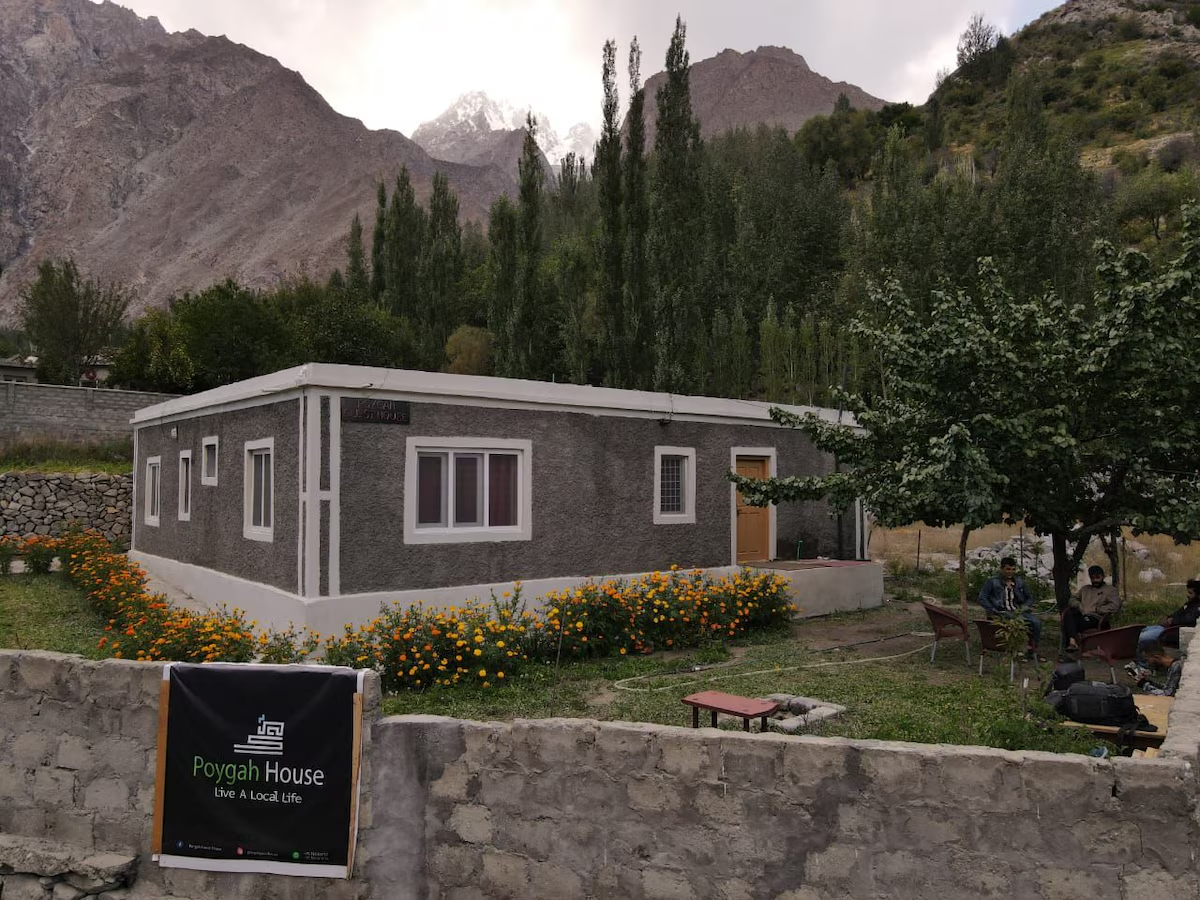
A Hunza homestay is, first of all, a house, just like the name implies. It is not a guesthouse pretending to be local, it’s not a ‘boutique hotel’ with a show of ‘tradition’ — it’s a real house, where a family lives their everyday life. You’re getting to experience that life, even for a few days. The house is not set up for a hotel Practicality of furniture. The design is family-oriented, not geared toward the visitors. This is a space that is lived in – small signs abound, shoes by the door, activity in the kitchen during the day, voices in the background that are part of real routines. That alters the way you live while you’re there. You don’t live in a room! You live in the same house or apartment as someone else.
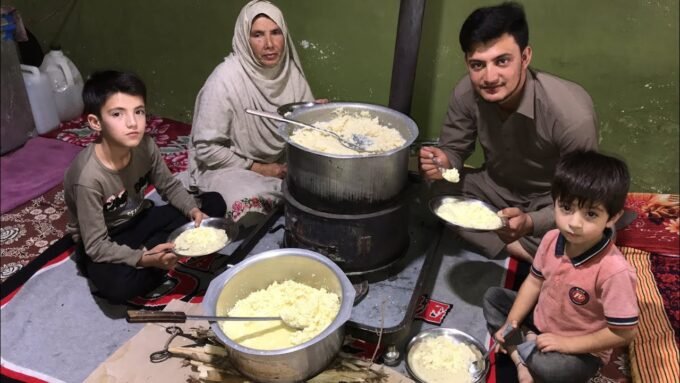
There are some families who maintain a mild separation. They keep you happy, cook for you, and come by from time to time. Some others are more open; they welcome you to sit with them, share meals with you, they will ask you about your day, and they will just be in the same room, and you don’t necessarily have to talk to them.
The natural balance is found by most homestays. You are never neglected, but you are not to be overwhelmed either. It’s quiet knowing that you’re welcome, but free.
The Difference Location Makes
The place to stay in Hunza actually has a great impact on the experience that you have.
Karimabad is a place where life is synonymous with tourism. You will find cafés, small restaurants, local shops, and easy access to Baltit Fort and many more. When you’re visiting Hunza for the first time, this can make things easier. During the day, you can explore, and at night, get back to your homestay without ever feeling lonely.
Yet, just a few kilometres away, conditions are very different, as for example in Altit. Street noise is reduced. The rate of the rhythm decreases. This feeling of being in a village, not near a tourist center, is enhanced.
Further north in villages such as Passu or the Gojal region, it is even calmer. There are fewer distractions, fewer options, and in a way, fewer comforts. There is also more room – both physically and mentally.
Nowhere is the perfect place to stay. It’ll depend on what you’re looking for: convenience or quiet, access or distance.
Arrival Feels Personal in a Way Hotels Cannot Match
You can’t get a more personal welcome than Arrival Feels Personal in a Way Hotels.
There is a sense of being at home from the start when you get to a homestay.
No reception staff, no formal check-in procedure, no waiting to be checked in. But instead, you come, and someone from the family comes forward — it feels like a smile, if not forced.
When I came, a young girl ran out, curious and eager to help. She was followed by her father, who asked about the trip, and even offered to carry my bag as I said it was fine.
Then, in a matter of minutes, I was sitting before me with a cup of green tea and a little bowl of dried apricots. The check-in was that.
You might think it would be easy to write, but that simplicity makes all the difference. No distinction between the guest and host. You do not have to be processed — you are welcome!
The House: Simple, Functional, and Full of Character
A Hunza homestay is a physical entity that reflects its environment.
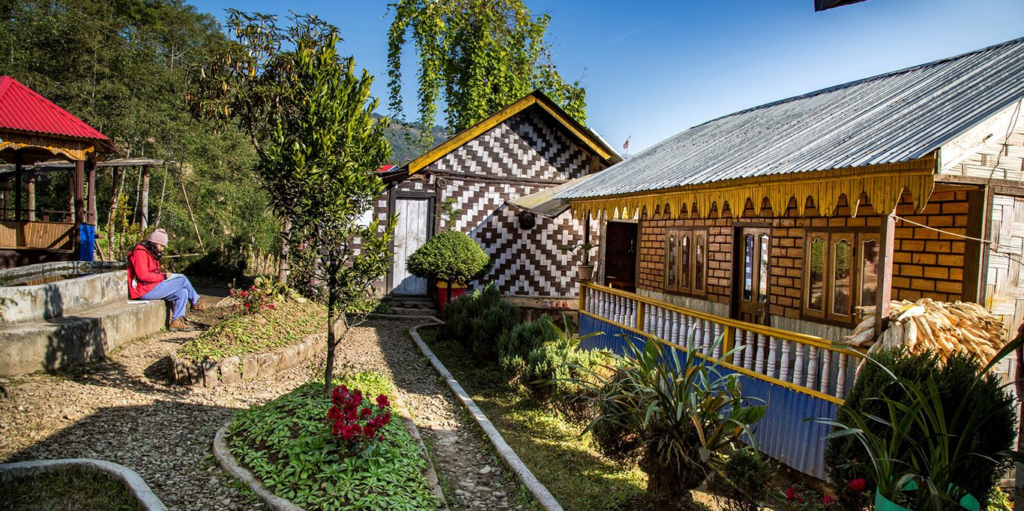
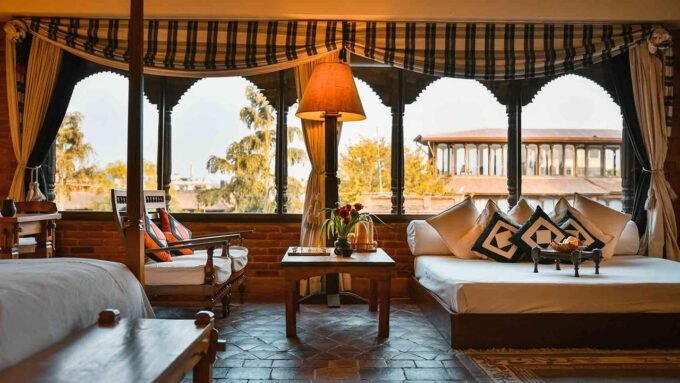
The walls are thick and often stony to retain the heat in them at night. Generally, the ceiling is wooden, sometimes low, making the rooms feel closed in. Carpets are used on the floors, not as a decorative touch, but as a way to keep the floors warm and comfortable. Small but effective windows. Their design of the exterior, while practical, is almost deliberate in framing the exterior landscape.
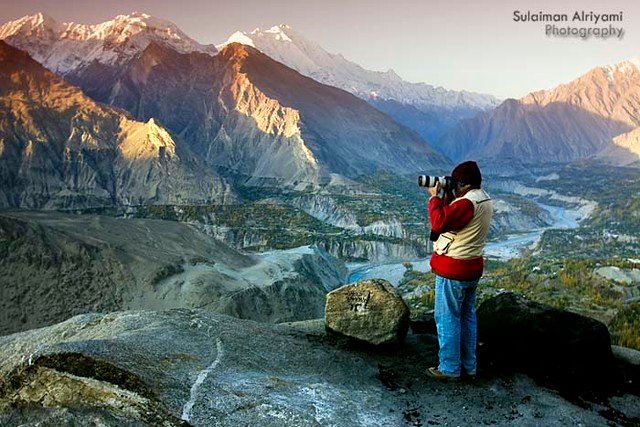
I could see the valley below from my window, and in the distance, the outline of Rakaposhi. I would find myself stopping a lot just to take in the beauty of it, even if I had nothing else to do.
Bathroom facilities are typically very simple. It may be shared. Hot water is frequently supplied via solar heaters, which are effective on sunny days but less effective in the event of weather change. The first few times, these details come to mind. Then slowly they lose their importance.
The Heart of the Home: Evenings Around the Bukhari
Each of the traditional houses of Hunza has a central area, known as bukhari, which is a room with a central stove. That’s where the family comes together, particularly when the weather gets cold. This room is the hub of all activities in the evening.
Individuals bask in the warmth, tea is continuously refilled and renewed, and talks flow naturally. Occasionally, there are laughs. There are times when there is silence that’s comfortable, not awkward.
Captivated by the warmth in and the chill out, there is some stillness there that cannot be described. It’s not an action. It’s only a blink of an eye.
Food That Feels Honest
In a Hunza homestay, food is not for show. It’s about routine, familiarity, and caring. Fresh bread may be cooked on a flat pan to serve as breakfast, accompanied by homemade butter and apricot jam. Often called giyaling, the bread is easy yet very satisfying, particularly when fresh.
Lunch and dinner are not consistent, but stuffed bread (chapshuro) with minced meat is common. Another popular dish is Dawdo, a type of noodle soup, particularly during cold weather.
The taste of these herbs is mild in comparison to that of other parts of Pakistan. Lighter use of spices with more emphasis on the taste of ingredients. It’s not the complexity of the food that makes it memorable. It is context. It’s being made, you see it being made. The scent of it comes before it. You consume it in the same place that it was prepared, and be it with the people who prepared it.
The Pace of Life Slows You Down
One of the most surprising things about living in a homestay is the manner in which it will alter your perception of time.
You are not under any time constraints. There is no set breakfast time, there is no planned schedule of activities, and you are no longer reminded of what to do next.
Mornings begin quietly. Tea is served. Mornings begin with the family preparing for school, and adults heading to the orchards or to finish up housework. Feel free to participate or not.
One morning, I sat on the roof and watched the light gradually creep across the mountains. Lack of a plan for the day. No urgency. No feeling that it was my duty to “make the best of” my time. And something that was the best part of the trip.
Culture Reveals Itself Naturally
The culture of Hunza is not something that is performed for visitors. It manifests itself in everyday life. You see and hear that education is taken seriously and is spoken of with pride. You observe family interaction, sharing of responsibility and the way many conversations focus on the future. A sense of balance is also evident. Life seems orderly, but it isn’t hurried. You will be able to observe all these without explanation if you spend time in a homestay. Nobody helps you to learn about the culture. It is just a matter of feeling.
Being a Respectful Guest Matters
Appropriate modest dress indicates sensitivity to the local norms. Request permission before taking photographs – demonstrate respect. Tea is a marker of hospitality, and it is a sign of respect to, if not by, the host to take some tea.
These are not rules that must be followed, but these concepts would influence how you will be viewed. Where hospitality is a serious matter, you’re as important as they are.
The Challenges Are Real — But Manageable
Don’t be overly optimistic. Homestays are not ‘luxury’ places. Cold rooms, short hot water/taps, power outages, and poor internet connectivity are possible.
The higher the elevation, the more it may impact your body, particularly in areas such as Karimabad. But none of these challenges is daunting when you anticipate them.
They can actually make the experience more real, and they’re often a part of the experience, small inconveniences.
What Stays With You
- It was not something that I saw or did that stuck with me after I left Hunza.
- In the way that it felt like they were welcoming us without us having to prove ourselves.
- It was the quiet time, the tea in the evening, the sunlight in the morning, the nonchalant conversations.
- I felt as if I had entered into someone else’s life and was accepted to be a part of it.
- Comfort is offered by hotels. They can be a source of convenience.
- They are not those people, though, who typically provide that.
Practical Things to Know Before You Go
There are some simple steps you can take to smooth the experience:
- Always have cash and smaller denominations in particular.
- Take out cash in advance of areas that are remote.
- Dress for the cold in summer, too!
- Pack a power bank and essentials.
- Check with your host before you go, or before you come if you’re going to use a map or GPS.
Simple actions, such as a thoughtful present, do not have to be made but are appreciated.
Final Thoughts
A Hunza homestay isn’t a perfect place; it’s not trying to be. It’s easy, sometimes erratic, sometimes awkward but it’s human.
If you can adjust your expectations and embrace it, it provides something unique – a chance to visit a land, instead of being there and travelling through, to be welcomed. And that’s the difference that makes it unforgettable.



Leave a comment