


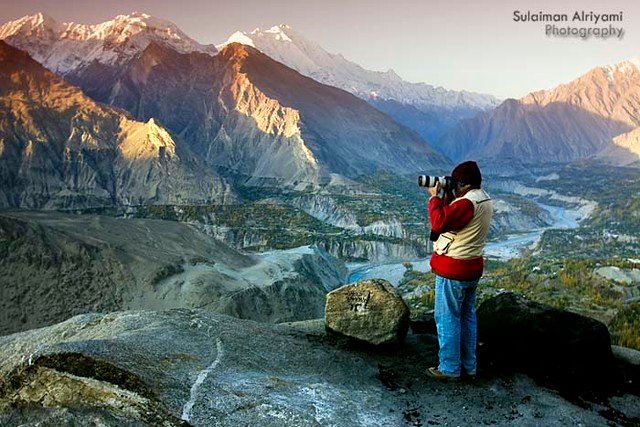
Gilgit-Baltistan, located in northern Pakistan, is significant for its breathtaking landscapes and towering mountains of Korakarm, Himaliya and Hindukash. It is a convergence point to diverse cultures, rich history, and unparalleled natural beauty. The place is ideal for all kinds of visitors such as; adventurers, trekkers, and nature enthusiasts alike.
The region’s unique history and traditions make it a melting pot of different cultures. The area is home to people of various ethnic groups. Moreover the region was situated at the historical Silk Trade Route. Many tribes and delegations from several countries used to pass by the route, had a layover, and built relationships with locals. These factors accelerated the transfer of culture, traditions and cuisines formed Gilgit’s diverse culture, over the years.
Apart from this, food plays a significant role in Gilgit-Baltistan’s culture. It’s not just a portion to fulfil daily energy requirements but a celebration of rich and diverse culture. Preparing and sharing meals are cherished rituals that enhance social connections and ties. They take pride and pleasure in exhibiting the rich, unique and diverse palette of flavours and cooking techniques, through their cuisines, which is the essence of Gilgit-Baltistan’s culinary legacy.
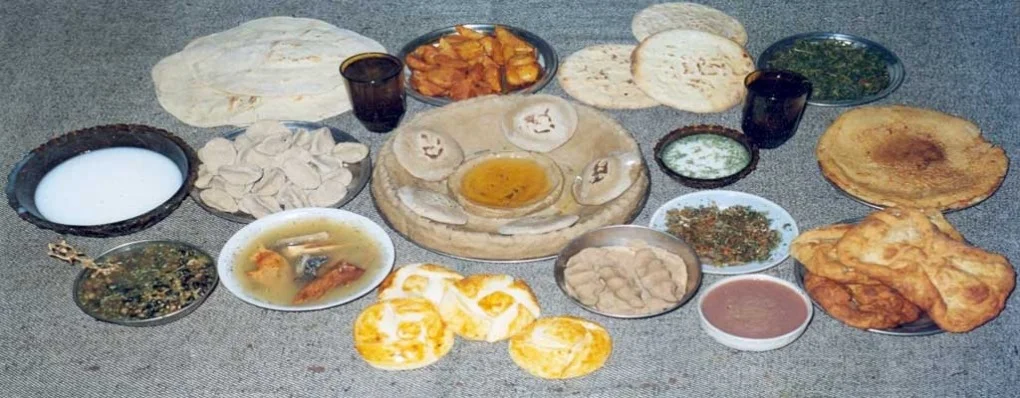
Gilgit-Baltistan is known for its traditional dishes such as Chapshuro (minced beef pie), Gyaling/Gral (thin wheat bread), Marzan (wheat dough with apricot oil), Balay (noodles with goat meat and broth) and Namkeen Tea. The region is also remarkable for premium and delicious fruits such as; apricots, apples, cherries, walnuts etc.
In essence, the food in Gilgit-Baltistan serves as a gateway to understanding and appreciating the region’s history, geography, and diverse culture, making it a compelling subject of exploration for both food lovers and cultural enthusiasts alike.
Today, I am going to take you on a flavorful journey through Gilgit-Baltistan. In this journey, we will explore how its culture and cuisine are just as rich and grand as its mighty mountains, such as K2 and Rakaposhi. We will also share the most famous and most remote and traditional cuisines, which is a must try in GB trip. And what are the places to relish the most authentic flavours of GB and what makes their cuisines so special.
Why Gilgit-Baltistan Food Is So Different
A Cuisine Shaped by Mountains
Nestled amidst the majestic peaks of the Himalayas and Karakoram ranges and steeped in natural beauty and cultural richness. This magnificent geography of this mountainous territory significantly influences the diverse and flavorsome cuisine found here. This rugged landscape is a rich source of unique ingredients that form the cornerstone of Gilgit-Baltistan’s culinary heritage.
The exceptional and rich flavour of Balti cuisines are derived from naturally found resources, ingredients and spices. Mostly the Balti culinary culture relies on the minimalistic approach towards cooking. The meals are cooked in very less amount of spices and all added ingredients are organic and locally grown. The meals usually consist of the ingredients found in the local terrain, and are necessary for surviving in the extreme cold weather and rough living circumstances in the region.
Key local ingredients include wheat/barley, lamb or chicken,butter, yogurt, apricot oil, walnuts, and spices like turmeric, coriander, fenugreek, and cumin. Even the cooking techniques are integral in adding some extra flavours in the cuisines. No ingredients are processed and inorganic, neither the meat is artificially grown and also the slow cooking on low flame and the use of coal or woods, are the factors which have maintained the authenticity of Balti food culture.
Influence of Old Trade Routes
The evolution of Gilgit-Baltistan’s cuisine has been shaped by numerous cultural influences. The region’s strategic location along ancient trade routes, including the Silk Road, facilitated cultural exchanges that left lasting marks on the local culinary traditions. Influences from Central Asia, Persia, and Kashmir, among others, introduced new ingredients, spices, and cooking techniques. The amalgamation of diverse cultures and historical events, such as the spread of Buddhism and the arrival of Islam, also significantly impacted the region’s food habits and culinary practices.
Each historical event leaves a mark in the form of cooking techniques, utensils, spices, recipes that evolved through years and mingles with the existing food culture. The result of this fusion is manifested in comforting, rustic and rich texture in Balti cusines.
Food as Hospitality
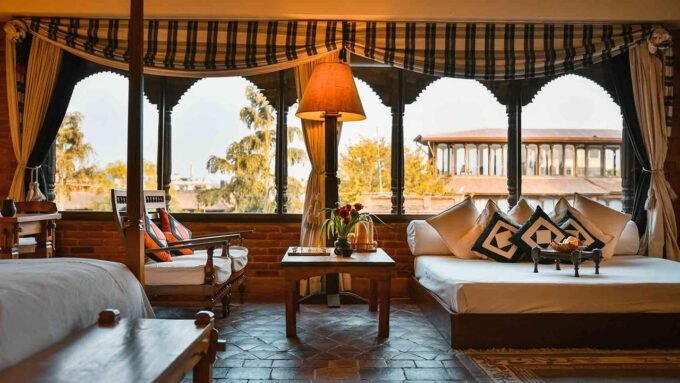
Hospitality, generosity and warmth is part and parcel of Gilgit-Baltistan’s rich and diverse culture. The arrival of guests, comforting them in their cozy dedicated guest rooms (Mehman Khaana), decorated with carpets, cushions, crafted wall hangings and couches, serving them hot, mouth watering delicious meals prepared freshly in the kitchen with authentic and traditional cooking techniques by using the local ingredients and spices, is just like a sacred compulsory ritual . In short, welcoming the guest, hosting them and sharing their food, flows in the blood of Balti people.
Usually the locals invite the random travellers to their pastoral and private wooden houses, offer them sharbat (a welcome drink), or tea with some traditional snacks or pastries, made with locally grown apricots, mulberries and apples. It foretells the importance of hospitality in their culture.
Must-Try Local Food Experiences in Gilgit-Baltistan
1. Chapshuro: The Famous Mountain Meat Pie
Chap shuro is like a meat pie, paratha or a quesadilla. It is a hearty staple meal in GB. chap shuro is perhaps the most iconic dish in Gilgit-Baltistan region. Whether it’s at food stalls set up near the majestic Rakaposhi peak, at a street vendor in winding market lanes or even in a welcoming family’s home, encountering chap shuro is a must during your visit to Gilgit-Baltistan.
In the local Burushaski language, chap means meat, gunsho means onions, and shoro means bread. Balti people usually welcome their guests and visitors with salty yak milk tea and a hearty meal like chap shuro. Local Balti people called it their own healthy version of pizza.
Traditionally, families would bake chap shuro in stone ovens without cooking the meat beforehand, but that could take up to three to four hours. As families and demands on time grew, they began making smaller chap shuro in pans over fire.
Best Way to Enjoy Chapshuro
The best way to enjoy the most authentic Chapshuro is to have it from small food joints or dhabas, which are situated in residential areas, where meals are cooked with authentic traditional techniques.
For the most authentic, local, and rustic Chapshuro, ask for it in the Hunza or Nagar districts of Pakistan, where it is often made with local ingredients and cooked with traditional methods.
Pair with Traditional Dips
- Thick yogurt raita made from freshly ground chilies.
- Fresh apricot oil
- Tangy tamarind sauce
These homemade sauces and dips enhance your experience of having a Chapshuro.
Best Serving Style
The best serving style is to have Chapshuro freshly baked and cooked, when the dough is crispy and golden brown.
2. Balay: The Comforting Noodle Soup of Baltistan
Balay is a form of thick, chewy soup, which is strongly suitable for the harsh and freezing winters in the region. Balay is typically a bowl of thick goat meat broth in which handmade wheat noodles are added with the chunks of meat. Its consistency is thick and hearty.
It is a centuries-old dish often served during cold nights or special occasions. The noodles are usually handmade and consist of whole-wheat flour, and the goat meat broth is slowly cooked in a covered pot, on low flame, with very basic spices. One bowl of Balay is really a filling, comforting and appetizing meal, which is also filled with ample nutritions. Food guides in Skardu often mention Balay as one of the most comforting dishes in the region.
Where to try
You can try Balay in:
- Skardu local restaurants
- Balti homestays
- Village guesthouses
- Family-style traditional meals
3. Mamtu: Steamed Dumplings with Mountain Flavor
Mamtu/Mantu also known as dumplings of the North. It’s a famous dish in Gilgit Baltistan, which is filled with chopped meat (lamb, beef or chicken), onions and vegetables all mixed with spices and wrapped in dough. They are steamed for several hours in a circular steel container.
In the past, Mamtu was supposed to be the food of travelers along the Silk Route, people carry dried Mamtu with them and on the stopovers they boil and eat them. Now they are used as perfect starters and snaking options.
Best Serve with: They are typically served with a dipping sauce made of tomatoes, chili, garlic, and sometimes soy sauce.
Best Food Experience
The best Mamtu experience is not always in a restaurant. Try it in a home-style kitchen where the dumplings are freshly folded and steamed, or at small food stalls.
4. Gyaling: Buckwheat Pancakes from Hunza
Gyaling is a buckwheat pancake traditionally served with apricot oil or with local chutney. It’s a light and healthy breakfast, perfect for visitors going on rough hikes on mountains. Gyaling has a delicious smoky flavor from being cooked on a flat iron plate (Tawa), usually over a wood-burning stove or fire.
Best Serve With:
Gyalings are usually serve with:
- Maple syrup or honey
- Yogurt, chutneys, or pickled toppings.
- Homemade butter and cream
- Salty butter tea (often made with yak milk).
Why It Is Worth Trying
It has a mild, nutty taste and feels light but satisfying. If served with apricot oil or honey, it becomes even better.
5. Harissa: Slow-Cooked Comfort Food
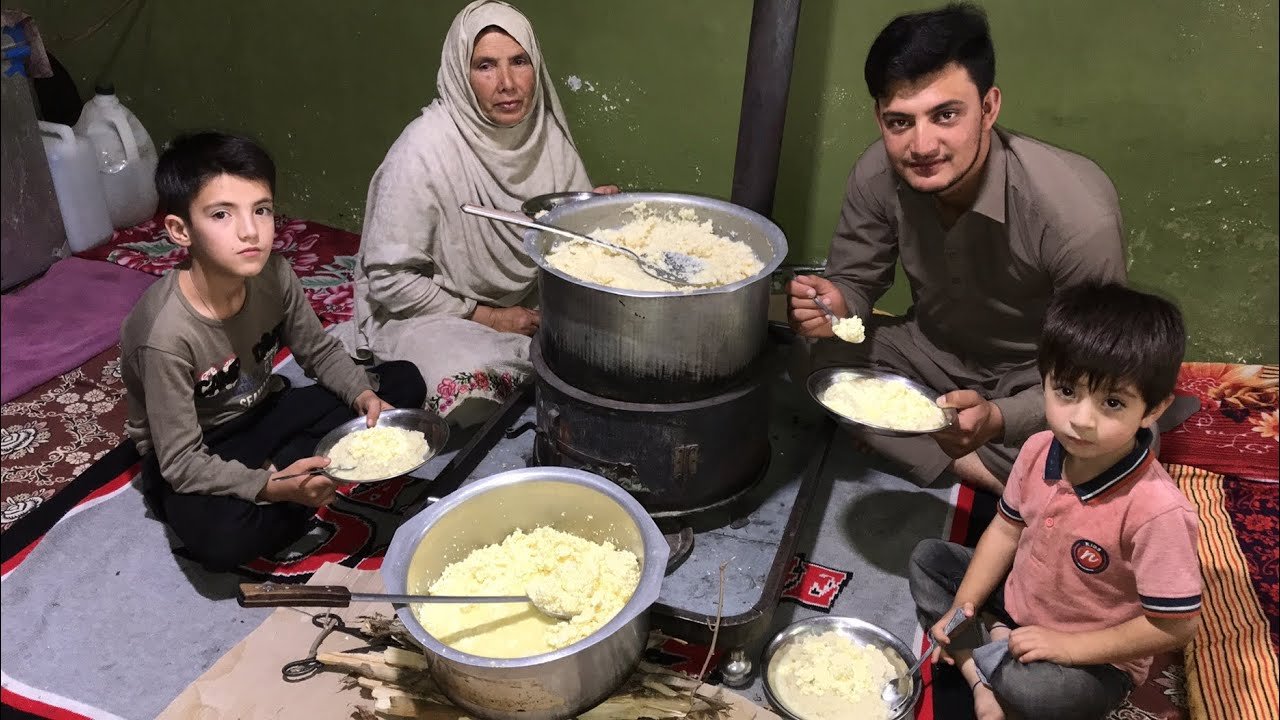
Harisa is a slow-cooked stew made from wheat grains and meat, usually mutton or chicken. The dish involves simmering the meat and wheat grains for several hours until they form a thick, creamy texture. It’s seasoned with spices like cinnamon, cloves, and cardamom, resulting in a rich and flavorsome meal often served on special occasions.
It’s a comforting and protein packed meal. It possesses extraordinary taste since it is uncommonly arranged with ghee and exceptionally simple to make.
Why It Matters
It’s a high-calorie and high-fat meal which is essential for locals to endure below zero temperatures in the northern mountains.
Best Way to Eat It
Eat it hot, preferably in winter or after a tiring travel day. It is also a good choice after trekking because it is filling and rich in protein.
6. Diram Pitti: A Traditional Sweet Wheat Dish
Diram Pitti is a remarkable breakfast and a famous dish of Gilgit-Baltistan due to its high energy value. It is bread made from sprouted wheat flour, which gives it the usual sweetness. This dish is served with butter, almond, or apricot oil.
The dish was originated for hardworking people of the region, who have to hike for miles on rocky mountains, to fulfil their daily life chores and labours. The dish is a source of ultimate nutrients to combat the harsh atmosphere and rugged terrain.
Why It Is Unique
This dish is special because it uses sprouted wheat, which gives natural sweetness without needing too much added sugar. It also shows how local communities created nourishing meals from basic ingredients.
When to Try It
Try Diram Pitti in Hunza or Nagar, especially during traditional meals or cultural events.
7. Marzan: A Buckwheat Specialty of Baltistan
Marzan is ceremonial food prepared from roasted barley flour to celebrate the birth of a new baby in the family with social acquaintances. Marzan is quite similar to barley cake. This is a rare and special dish because of its time taking ingredient prep. As the wheat is soaked to prepare the dough for about two weeks before they are ready to be ground. This gives the flour a sweeter and rich taste.
The Name: “Mar” translates to butter or oil, and “Zan” refers to food or dough. In a traditional cooking method, the wheat dough is spread over a large plate, then a small, pool-like depression is made in the center. That small pool is filled with rich, pure apricot oil, melted butter (ghee), or sometimes honey and crushed nuts.
How to Eat It
Diners typically break off small pieces of the warm wheat dough and dip them into the central pool of apricot oil or butter before eating.
8. Apricot-Based Foods: The Golden Taste of GB
Apricots from the region are well-known for their delicious flavor and smell and they may be eaten fresh, dried, or in a variety of culinary creations. Furthermore, apricot farming is critical to the livelihoods of many households in the region, with apricot orchards providing a significant source of earnings through the sale of fresh fruit, dried apricots, and apricot-derived goods such as apricot oil and jam.
Apricot Foods to Try
When you visit GB, try:
- Dried apricots
- Apricot cake
- Apricot oil with bread
- Apricot soup
- Apricot jam
- Walnut and apricot snacks
Best Place to Try Apricot Cake
Hunza is especially famous for apricot-based desserts. Local cafes in Karimabad and nearby areas often serve apricot cake, which has become popular with tourists.
9. Tumoro Tea: A Herbal Drink from the Mountains
Tumuro Tea derives its unique flavor and health benefits from the wild thyme plants that flourish abundantly in the loft mountains of Gilgit Baltistan. This aromatic herb is carefully handpicked by the local communities from the mountains, ensuring that each cup of Tumuro Tea encapsulates the true essence of the valley.
Tumuro Tea is the herbal infusion, and has been cherished for generations among the locals for its incredible flavor and numerous health benefits.
- Anti-fungal
- Anti-oxidant
- Improves Circulation
- Boosts Immunity
- Treats Respiratory – Issues
- Fever, Flu, Sore Throat and Cough.
- Digestive Wellness
- Respiratory Health
- A Soothing Remedy
Best Experience
Drink Tumoro tea in a local home or small village café. It tastes better when paired with local bread, dried fruit, or a simple snack.
10. Namkeen Chai: Salted Butter Tea
One of the backbones of Balti cuisine is actually a drink. This is not your average tea however, and it is much more than simply preparing green or black leaves in hot water. This tea contains salt, butter, and yak milk, and is made with pre-brewed green tea leaves. It is served with fresh ground wheat flour, and a small dish of pure apricot oil which you add to personal taste.
Add a spoon of the brown flour and the golden apricot oil, and enjoy a warming and thick mixture of some of the richest liquid imaginable. In some places it is traditional to have several cups of butter tea as an entire breakfast, and solid food would not be eaten until one has already begun work for the day.
Across this entire mountain region of Himalayas and Korakaram, butter tea is enjoyed and it’s so well-loved by these mountain dwelling peoples that you can’t possibly visit without having at least a few cups together.
Best Places to Enjoy Local Food in GB
1. Village Homestays
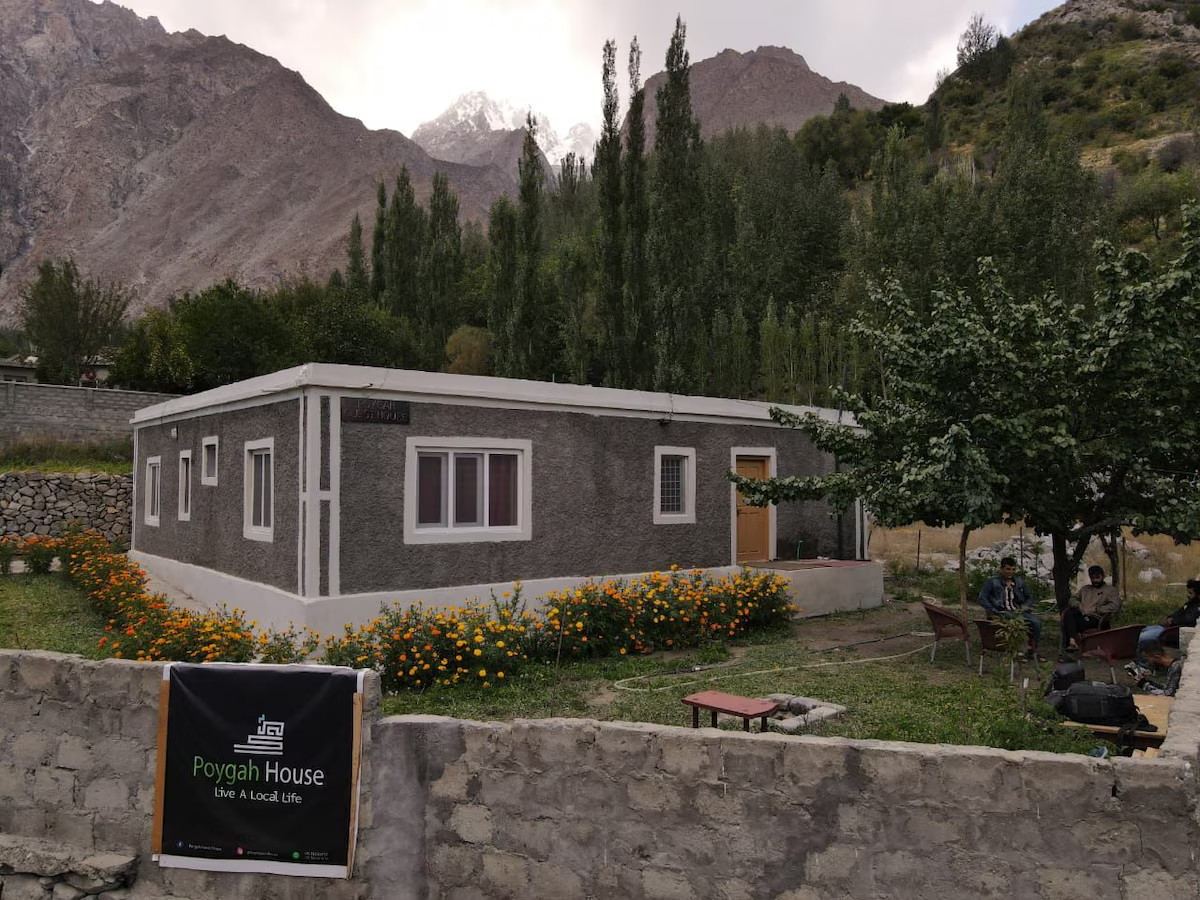
Homestays offer one of the most authentic food experiences. You get to eat what families actually cook.Whereas fancy restaurants may offer the cultural cuisines but the usage of processed and inorganic meat, spices and ingredients, could not achieve the rustic and raw flavours.
2. Local Bazaars
Gilgit Bazaar, Skardu Bazaar, and Karimabad streets are great places to try local snacks and buy food souvenirs.
What to Buy
- Dried apricots
- Walnuts
- Almonds
- Apricot oil
- Local honey
- Herbal tea
3. Roadside Stalls
Some of the best Chapshuro and tea experiences happen at simple roadside stalls. These places may not look fancy, but the food is often fresh and full of local taste.
4. Traditional Cafés
In Hunza, several cafés, owned by the locals, serve tradtional dishes with a modern touch. This is good for travelers who want traditional flavors in a more comfortable setting.
Cultural Etiquette
When eating with locals, small gestures of goodness matter.
- Accept tea when offered
- Remove shoes before entering some homes
- Ask before taking photos in kitchens
- Appreciate the food politely
- Avoid wasting food
- Support local cooks and women-run food businesses where possible
Why Local Food Experiences Matter
Tourists and travellers have enormous power to make a good difference through their decisions. By embracing local and community centred food experience, they may directly help to empower residents in Gilgit-Baltistan. They can share in the progress of small regional entrepreneurs, restaurant owners, local bakers and local homestays and guesthouses. Tourist and travellers can help the local Balti people by:
- Choosing the local guesthouses and homestays
- Eating on small restaurants and food points owned by locals
- Buying locally made apricot jams, cakes, apricot, almond and walnut oils
By adapting these small changes, the money flows directly towards the locals, not towards already established corporate scores. That flow of money brings many positive and progressive changes in the regions.
Conclusion
Gilgit-Baltistan’s cuisine is a manifestation of the region’s rich heritage. Each dish is a reflection of the region’s historical legacy and geographical diversity. From the hearty aroma of Chap-shuro to the delicate flavors of Salty butter tea, every bite and sip, narrates the tales of the past, that how a remote, isolated and cold region, becomes a hub for the people of different origin, religion and ethnicities. These vast, diverse and ancient fusion established the foundation of, culturally rich and strongly connected to ancient norms and traditions, Gilgit Baltistan.
This tremendous journey of divine, authentic and succulent flavours is a validation of the resilience, adaptability and persistence of Balti people. They did not leave their roots, they kept their connection with their fundamental customs and heritage, yet they kept adapting. The traits of resolution, determination and endurance, make them profoundly rich in their culture and traditions. But at the same time, they are also evolving themselves with modern ways of life like, gradual increase in literacy rate, many business and food joints are run by women, many youngsters in Gilgit and Hunza excelling in digital remote jobs, many natives are utilizing their traditional crafts and cuisines as a business.
Lastly, this article will surely make you realise that Gilgit-Baltistan is a region, not only known for mesmerizing landscapes, towering peaks, roaring rivers and turquoise lakes. But it is far more grand in its culture, customs and traditions. In short, a trip to GB, is not only rich in visual and picturesque scenery but also loaded with flavours that last with you for a time.



Leave a comment