


The beautiful Hunza Valley is famous for its mountains, lakes, and peaceful villages. The fruit farming culture that exists in Hunza Valley stands out as one of its most special features. The valley receives its annual vitality, aesthetic beauty, and economic benefits from both apple orchards and apricot trees. The local population dedicates its time to farming work during blossom and harvest periods, while tourists spend their time at the village experiencing fresh fruits and natural beauty.
The farming traditions of Hunza are not only important for the local economy but also for the culture and lifestyle of the people. Travelers who visit during the apricot and apple season get the chance to experience village life closely. The visitors have the opportunity to explore the orchards and observe the fruit harvesting process while they sample organic fruits and discover the natural fruit preservation methods used by local families.
In this article, you will explore the beauty of apple orchards, the apricot season, and traditional farming experiences in Hunza Valley.
Why Hunza Is Famous for Fruit Farming
The valley provides perfect agricultural conditions because it contains. The valley provides optimal conditions to grow different types of fruit. The area produces apples, apricots, cherries, peaches, pears, grapes, walnuts, and almonds. The region produces two essential fruits, apricots and apples, which serve as the main crops.
Many families in Hunza own small orchards near their homes. Fruit farming has been part of local life for generations. The people carefully look after the trees throughout the year because these fruits are used for food, trade, and traditional products.
The cool weather in Hunza helps fruits grow slowly, which improves their taste, color, and sweetness. This is one reason why Hunza fruits are known for their rich flavor and natural quality. Most farms grow their fruits with traditional farming methods, which result in their crops being grown without using chemical products. Because of this, visitors often consider Hunza fruits fresh and organic.
The strong connection between farming and local culture makes Hunza a major center for fruit farming because it establishes a vital link between these two aspects. Families unite to work in orchards during blossom and harvest seasons. The process of picking, drying, and storing fruits involves children, elders, and neighbors. Farming traditions enhance community ties while preserving traditional practices.
Fruit farming also plays an important role in the local economy. Many families sell fresh and dried fruits to markets in different cities of Pakistan. The main products from Hunza include apricot oil, dried apricots, jams, and fresh apples. Many travelers visit Hunza to experience fruit picking and village life, which has increased tourism to the valley’s orchards.
The Beauty of Blossom Season in Hunza
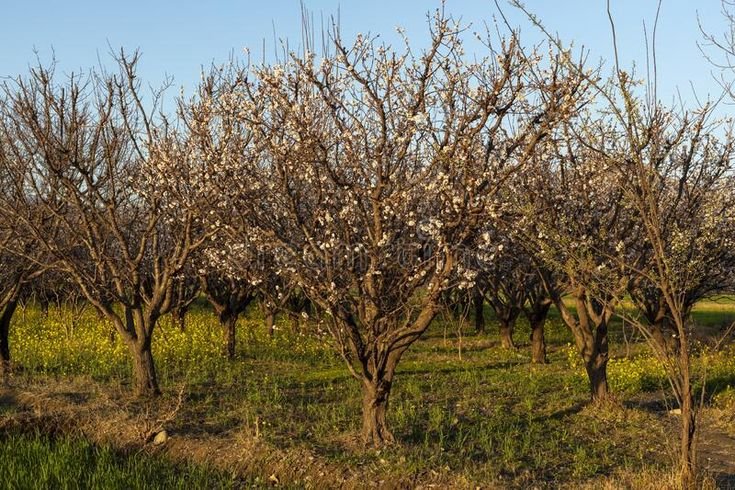
Springtime in Hunza transforms the region into an enchanting experience. The valley witnesses tree blossoms from apricot, cherry, apple, almond, and peach trees between late March and mid-April. The villages display white and pink blossoms while snow-covered mountains stand in the background.
The blossom season marks the start of a new farming cycle for farmers because it serves as their most vital period. Local people express their joy through spring celebrations because they believe it will bring a successful harvest.
People visit these popular locations to experience the beauty of the blossom season:
- Karimabad
- Altit
- Gulmit
- Passu
During springtime, photographers and nature enthusiasts choose these villages as their most preferred locations.
Apricot Season in Hunza
Apricots stand as one of the most ancient and precious fruits that grow in Hunza. The valley produces various types of apricots that farmers grow. Farmers grow certain apricot varieties for their sweet, juicy flavor, while others they use to produce dried apricots and oil.
What Is The Starting Date At Which Apricot Season Begins Its Operations?
The apricot harvest usually starts from June and continues into July. The trees show their complete golden-orange fruit production. The villagers work during daylight hours to gather apricots while they transport their baskets that contain fresh produce.
The process of drying apricots through natural methods takes place when families spread the fruit on their rooftops to dry in the sunlight. The markets receive the dried fruit as a product that will be sold or used for storage until the winter season. Apricot kernels serve a vital function because they enable the production of apricot oil. This oil serves multiple purposes, including culinary use, skin care application, and usage in traditional medicine.
Apple Orchards in Hunza
Apple farming stands as a vital agricultural sector in Hunza. The apple trees produce better quality fruit because the cool weather causes their growth process to extend over a longer period. The regions of Gojal and Upper Hunza produce apples of exceptional quality.
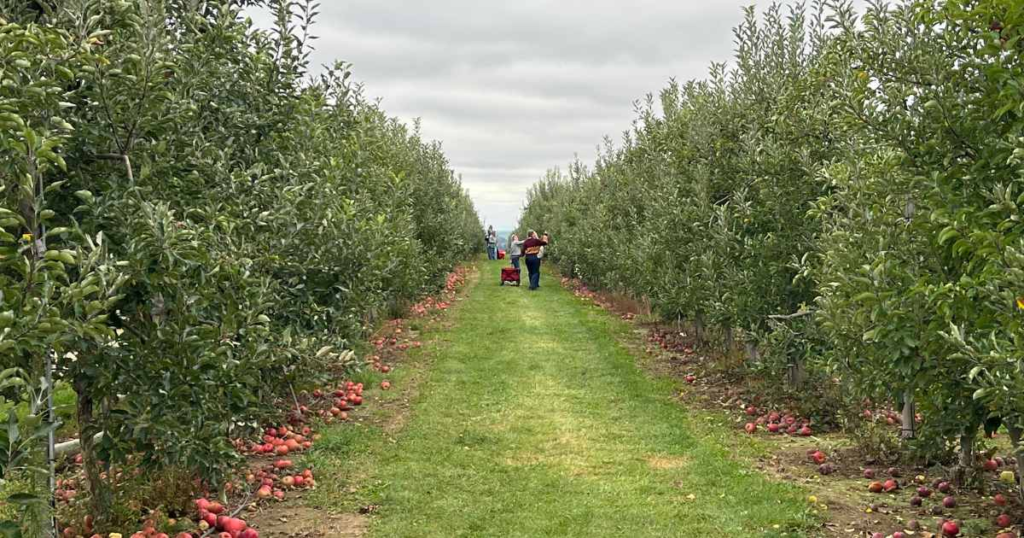
The apple harvest starts in late August and continues until the end of September and October. The trees of the orchard display their autumnal display through their bright red, green, and golden apples.
Travelers visiting during this season can enjoy:
- The experience of picking apples from the trees
- They can drink organic apple juice, which has not been processed.
- They can eat meals that belong to traditional village cuisine.
- They can walk through mountain orchards in nature.
- They can take pictures of the autumn scenery.
Many tourists consider that picking apples directly from trees to consume fresh fruit represents one of the top experiences available in Hunza. The local apples possess a natural sweetness combined with a strong flavor that people find appealing.
Seasonal Farming Activities Visitors Can Experience
The fruit season creates an opportunity for visitors to participate in local farming activities when they visit Hunza. The orchards of many families provide a warm welcome to visitors who want to experience their orchards. The activities provide travelers with a chance to explore nature while experiencing the daily life of mountain communities.
Fruit Picking
Tourists can help farmers pick apricots, apples, cherries, and peaches. This gives visitors a real understanding of mountain farming life. Many people enjoy filling baskets with fresh fruit while spending time in peaceful orchards surrounded by high mountains.
Drying Apricots
Visitors can watch how apricots are cut and dried naturally under the sun. Rooftops across the villages often become covered with drying fruit during summer. The traditional method enables families to store their food supplies for winter while producing marketable products.
Traditional Food Experiences
Many local dishes include apricots and apples. Travelers can taste:
- Apricot jam
- Apricot cake
- Dried apricots
- Fresh apple juice
- Traditional Hunza bread
- Homemade fruit desserts
- Organic fruit syrups
Local families prepare fresh meals that use seasonal fruits to provide visitors with an opportunity to experience genuine Hunza cuisine.
Learning Local Farming Methods
The farmers of Hunza continue to practice traditional agricultural techniques that have been transmitted through their family lineages. The primary irrigation system utilizes water channels that originate from glaciers, while most fruit trees grow without chemical intervention. Visitors can observe the various ways that local people maintain their orchards and store their fruits and manage their trees throughout all the seasons.
Orchard Walks and Village Tours
Many travelers enjoy peaceful walks through orchards filled with fruit trees and flowers. The walks present beautiful mountain views together with traditional home vistas and green field scenery. Local guides provide explanations about valley farming history and its role in supporting village life.
Photography During Harvest Season
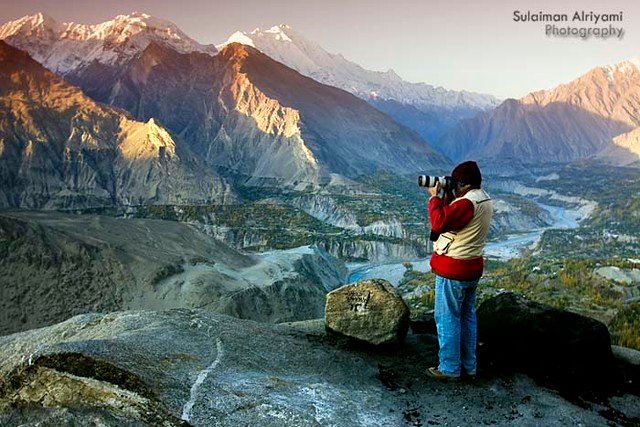
The harvest season creates an ideal opportunity for photographers to pursue their passion. The scene features colorful fruits together with wooden baskets and blossom trees and golden autumn leaves. The orchard provides its most beautiful viewing times during early morning hours and sunset periods.
Buying Fresh Organic Products
Visitors can buy fresh fruits and homemade products from local farmers at this location. The most sought-after products include dried apricots, apricot oil, apple jams, nuts, and herbal products. The purchase of these products helps to sustain both local families and small businesses located in Hunza.
Cultural Interaction With Local Families
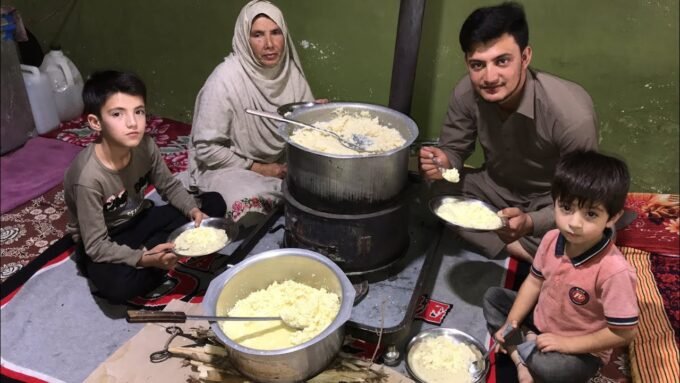
Travelers who experience seasonal farming activities also get the chance to interact with local families. Tourists can sit with villagers, listen to local stories, and learn about the traditions connected to farming seasons. The trip becomes more significant and unforgettable through this cultural relationship.
Best Time to Visit Hunza for Farming Experiences
Different seasons offer different experiences in Hunza:
| Season | Experience |
| March to April | Blossom season with pink and white flowers |
| June to July | Apricot harvesting and drying season |
| August | Cherry and peach season |
| September to October | Apple harvest and autumn colors |
Those who prefer pleasant weather conditions and colorful scenery usually consider spring and autumn.
Villages Famous for Orchards in Hunza
The following villages in the Hunza region have gained recognition because they produce fruit orchards and maintain traditional farming practices.
Karimabad
Karimabad stands as the most visited tourist destination in the entire Hunza Valley. The area provides visitors with beautiful blossom views while they explore its historic sites. The village transforms into a colorful display during springtime when pink and white flowers bloom across its orchards. Visitors can enjoy peaceful walks through fruit trees while admiring the surrounding mountains.
The village attracts visitors because of its traditional markets, historic homes, and its authentic cultural experience. Travelers often visit historical places like Baltit Fort to learn about the history of Hunza while enjoying the nearby orchards and gardens.
Altit
Altit attracts visitors because of its ancient buildings, traditional street layout, and apricot tree orchards. The village provides travelers with a tranquil atmosphere, which enables them to experience authentic Hunza traditions. The area possesses attractive characteristics because it contains narrow streets, stone houses, and green orchards.
The residents of Altit use their rooftops during apricot season to dry their apricots. Visitors can also explore Altit Fort, which is one of the oldest historical forts in the region. The village serves as an ideal destination for visitors who wish to experience local culture and engage in photography activities.
Passu
Passu attracts visitors through its stunning mountain views, which extend to the peaceful orchards surrounding the Passu Cones. The village transforms into its most beautiful form during the blossom and harvest seasons when fruit trees color the rocky landscape.
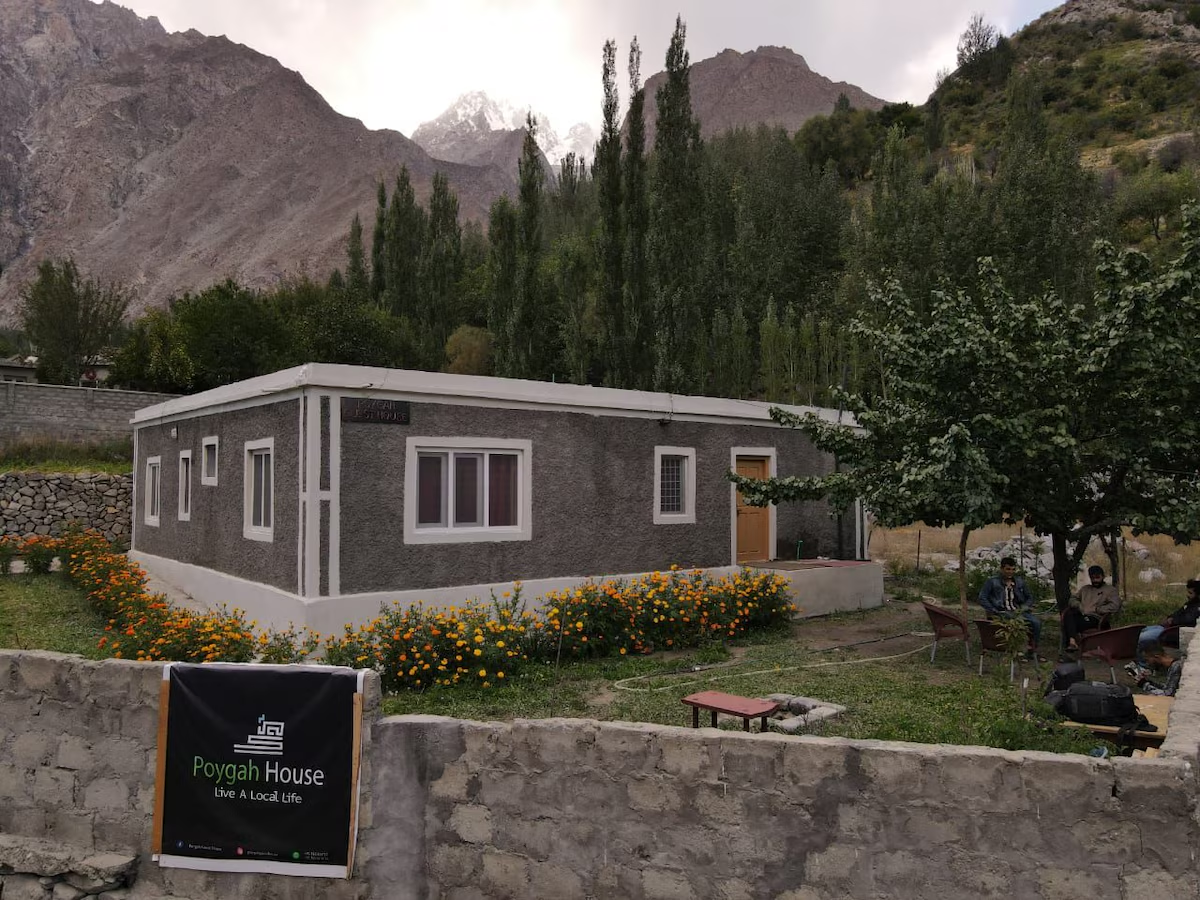
Travelers who visit Passu can taste fresh fruits while they walk through available hiking paths and rivers. The calm atmosphere and stunning mountain views make it one of the most photographed places in Hunza. Tourists choose to stay in guesthouses because they want to observe how residents live their daily lives.
Sustainable Farming and Tourism
The tourism industry and fruit farming activities in Hunza create mutual benefits for each sector. The blossom season and harvest events attract numerous visitors who support local businesses, which include hotels and guide services. Farmers produce income from their fruit sales and traditional product sales.
The northern region of Pakistan has experienced changes in its farming practices due to climate change impacts. Farmers face difficulties because of the altered snowfall patterns, glacier melting rates, and changing weather conditions. Unpredictable fruit seasons cause early harvests that reduce both crop yield and farmer earnings.
Local communities work to protect their traditional farming methods and natural resources. Farmers use advanced water management techniques while implementing sustainable tree planting methods to conserve their land resources for future generations. Local organizations are also helping people learn better farming techniques that can handle changing weather conditions.
The importance of eco-tourism has increased in Hunza. Visitors are encouraged to respect nature, avoid waste, and support local products instead of imported goods. This supports the local economy while decreasing environmental impact in the valley.
Many families now choose to practice organic farming according to their current needs. They avoid harmful chemicals and try to keep fruits natural and healthy. This practice protects soil and water resources while it improves the quality of Hunza’s famous fruits.
Tourism and sustainable farming help protect the natural beauty of Hunza. They also keep the valley’s farming traditions and cultural heritage alive for future generations.
Why Travelers Love Orchard Experiences in Hunza
Tourists who visit Hunza because of its beautiful orchards discover that the orchards in Hunza. Visitors to the site experience a tranquil atmosphere that enables them to connect with their surroundings. People can experience local traditions while they take their time to breathe the pure mountain air.
Walking through orchards filled with blossoms or ripe fruit creates unforgettable memories. The simple lifestyle, warm hospitality, and organic food make Hunza one of the most loved travel destinations in Pakistan.
The orchards provide a peaceful atmosphere that attracts visitors seeking something different from urban life. The environment creates a peaceful atmosphere through the combination of bird and water sounds and gentle mountain breezes. People sit for extended periods beneath fruit trees to admire the stunning mountain scenery.
Visitors develop a strong attraction to these activities because they provide opportunities to meet members of local families. The farmers of Hunza treat others with friendliness, and they provide hospitality. Tourists receive invitations to join tea parties while they sample fresh fruits and learn about village customs. These small moments make visitors feel connected to the local community.
Hunza orchards become a major attraction for photography enthusiasts during the blossom and harvest seasons. The natural environment presents perfect photographic opportunities through its springtime pink and white blossoms and its summer and autumn vibrant fruits. The valley transforms into a new, beautiful form during each season.
Travelers who enjoy healthy and organic food especially appreciate Hunza’s fresh fruits. Visitors to the orchard pick apples, apricots, cherries, and peaches directly from the trees. People who taste fruit from Hunza believe that its natural flavor exceeds all the tastes of fruit that commercial farms produce.
For many people, orchard experiences in Hunza are not just about tourism. They are about enjoying nature,
Conclusion
The apple orchards and apricot season in Hunza provide more than attractive scenery to their visitors. The site enables visitors to observe authentic farming practices while tasting organic fruits and experiencing the tranquil mountain life of local communities. The valley transforms itself into a picturesque landscape that displays its seasonal beauty during the entire year, from spring blossom time until autumn fruit collection period.
Visitors can enjoy fruit picking, traditional foods, village life, and warm local hospitality while learning about the importance of farming in Hunza’s culture and economy. The seasonal activities create special experiences that enable people to establish connections with nature through its authentic and profound natural beauty.
The orchards of Hunza offer an exceptional travel experience that allows visitors to discover the natural beauty and rich cultural heritage of northern Pakistan.




Leave a comment