


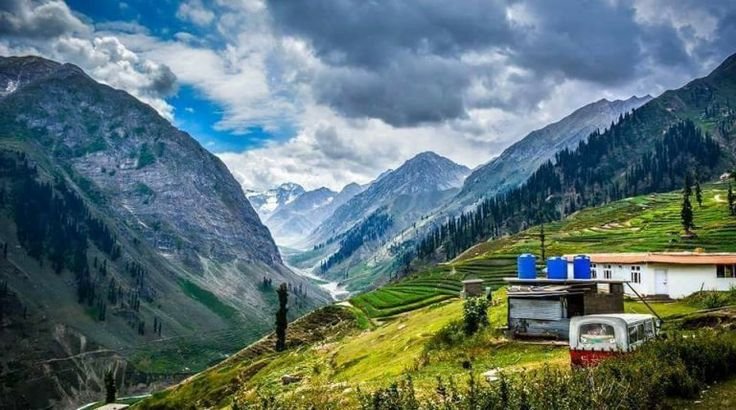
Northern Pakistan is one of the top tourist destinations in South Asia. The region is hugely popular amongst local and international tourists and sees thousands of visitors annually from the snow-covered peaks of the Karakoram range to the green valleys of Hunza, Skardu, Swat, Fairy Meadows, and Naran Kaghan. Its scenic beauty, friendly people, mountain way of life, and road trips make it a truly memorable destination.
But travelling in Northern Pakistan is quite different from travelling in big cities. The mountain terrain, fast-changing weather conditions, difficult roads, and remote locations may have limited facilities. First-timers need to be aware of safety measures before embarking on the trip.
While the majority of trips to Northern Pakistan are safe and enjoyable if one takes the necessary precautions and makes sensible decisions while traveling, there are indeed risks involved. This guide is not meant to cause fear but to keep travelers informed, comfortable, and confident in exploring one of the world’s most beautiful mountain regions.
The following are the most essential tips for the safety of every first-time traveller to Northern Pakistan.
Research Weather Conditions Before Traveling
Northern Pakistan is a region with very variable weather; the weather in the mountains here can change very quickly. A cloudy morning could turn sunny, rainy, snowy, and/or foggy later in the day in a valley. Always check the weather forecast for the area before travelling.
In some months, the temperatures drop to very low levels in some areas such as Hunza, Skardu, Fairy Meadows, Deosai, etc. Heavy snowfall can cause hazardous driving conditions and clog roads in the winter. Some areas may be subject to landslides and road closures during monsoons.
The summer season is usually reputed as the most secure and pleasant time for first-timers to travel. Roads are still more accessible, there is still moderate temperature, and tourist facilities are working normally.Avoid assuming that weather conditions are similar throughout the north. The weather pattern varies from one area to another in Gilgit-Baltistan, Swat, Chitral, and Kaghan Valley.
It is also advised that travelers be mindful of a sudden drop in temperature at night. Mountain areas can get very chilly after sunset, even during the summer.
Choose Reliable Transportation
One of the largest components of a trip to the north of Pakistan is road travel. Beautiful scenery, but roads on the mountain can be challenging and should be driven with caution and skill.
Before starting a trip by car, ensure that the vehicle is in good condition. Engine cooling systems, headlights, tyres, battery charge, and brake systems should all be thoroughly checked.
It is highly recommended that people who don’t know the way of mountain driving hire an expert driver who has experience in driving in this terrain. Driving on narrow roads, with sharp turns and steep hills, can be challenging for the novice, and the unpredictable weather conditions make it tough to drive.
Don’t drive down unsafe roads at night. Some areas become difficult to see, and the risk for landslides may rise in some areas. For first-time travelers, the time of day to travel is more important than ever.For main destinations, public transport is available; for remote valleys, it might not always be comfortable and reliable. Private car hire is favoured by many travelers for offering flexibility and safety.Always thoroughly check the vehicle before departing if you are renting a bike or a jeep.
Avoid Overpacking but Carry Essentials
Wise packing is one of the most important travel habits. Most new travelers also tend to over-pack and get into trouble while traveling for long distances.
Don’t overpack. Consider only these items:
- Warm clothing
- Waterproof jacket
- Comfortable trekking shoes
- First aid kit
- Power bank
- Flashlight
- Sunglasses
- Sunscreen
- Personal medicines
- Reusable water bottle
You can also have maps that are ready offline—this may be important in remote areas where mobile networks might not function correctly.
Clothing should be lightweight for those visiting high altitudes. Wearing multiple layers of clothes makes it easier to adapt to the temperature changes.
Do not wear expensive jewelry or other unnecessary valuables when traveling by car or trailer.
Stay Hydrated and Eat Carefully
People running on the hills don’t realize how much it takes. Long trips, changing elevations, and outdoor activities cause dehydration and fatigue.
Take sufficient water while travelling, particularly on trekking and hiking. Dry air might be found at high altitudes, which can make dehydration more likely.
Eating a balanced meal on the journey is also important. Some travellers go without meals because of long journeys, and end up becoming weak and dizzy.
When possible, select clean and busy restaurants. Most tourist areas will have a lot of food choices, and there can be some differences in hygiene standards from place to place.Refrain from consuming too much junk food on extended journeys, as traveling in the mountains is stressful enough.
Basic stomach medicines should be brought by travelers who are prone to stomach problems.
Understand Altitude Sickness
Altitude sickness is one of the most important safety issues in Northern Pakistan. Some places like Khunjerab Pass, Deosai Plains, Fairy Meadows, and Skardu are situated in high altitudes.
If the body is not adjusting to the lower amount of oxygen at high altitude, the traveler may experience any of the following symptoms:
- Headache
- Nausea
- Dizziness
- Fatigue
- Shortness of breath
People who have never been to the mountains should refrain from taking any rush to high altitudes right after their arrival. Acclimatisation is accomplished by an even increase in the body’s sensitivity.
When symptoms are severe, it is best to move to a lower altitude.
The first day at altitude should be spent resting. Regular water intake and good rest can help to minimize symptoms.
If you have a medical condition, it’s best to seek advice from a medical professional before going on a high-altitude trip.
Respect Local Culture and Traditions
Northern Pakistan has a rich multi-cultural background with varied communities, different customs, languages, and cultures. Respectful behaviour helps to create positive experiences with locals.
Cover your body, particularly in small villages and in conservative places. Tourists are generally welcomed, but this is enhanced by respecting local customs.
Don’t take pictures of local people, homes, or cultural sites without asking permission first.
Don’t act disrespectfully or be noisy in public areas. Peace, privacy, and traditional social norms are important values often appreciated by mountain communities.
Understanding a couple of Urdu greetings can also help you make some good connections with the locals.Visitors should be aware that they are visitors in these communities, and act respectfully; this will be part of responsible tourism.
Be Careful During Trekking and Hiking
There are fantastic trekking opportunities in Northern Pakistan, but trekking involves preparation and caution.
- Don’t underestimate the challenge based on just photos or videos on social media! Cliffside, rock, river crossings, and erratic weather are part of some routes.
- If you are a first-time trekker, look into hiring local guides – particularly for long-distance hikes.
- Let someone know where and when you’ll be on your trek. This is particularly crucial in weak signal coverage areas.
- Take sufficient water, snacks, warm clothing, and emergency gear on hikes.
- Do not hike alone in areas away from other people if you are not familiar with the area.
- Hikes are best started early in the morning in the mountains, because the weather is often rapidly changing in the mountains.
- When on a trek, if you feel tired or unwell, rest immediately not push it.
Protect Yourself From Road Hazards
In Northern Pakistan, sometimes roads are prone to landslides, rocks falling, and slippery surfaces.
- Road conditions can be hazardous in a matter of minutes during wet weather conditions. Travelers need to be aware of the local road conditions prior to travel.
- Do not stand near unstable slopes of mountains or cliffs during rain.
- Always use seat belts when travelling in a jeep or bus.
- Avoid forcing drivers to speed on unsafe roads. Always safety first before reaching a destination fast.
- Another regular problem with long journeys in the North is ‘road fatigue’. Regular rest intervals must be taken by drivers to prevent fatigue.
Keep Emergency Contacts Available
The last piece of smart travel behavior is to have a list of emergency information handy.
Memorize or keep important phone numbers in your mind, such as:
- Hotel contacts
- Local guides
- Family members
- Emergency services
- Vehicle assistance contacts
Internet access may be spotty in remote areas. If your phone battery runs out, then writing the emergency numbers on paper can help.
Before the trip, travelers should put all travel plans with trusted family or friends.If travelling in groups, ensure that everyone is aware of meeting locations and emergency procedures.
Book Accommodation Carefully
The quality of the type of accommodation is very different throughout Northern Pakistan. Hotels and guest houses can be full in tourist season.
Make bookings in advance when possible, particularly in Hunza, Skardu, Fairy Meadows, and Naran Kaghan, during the summer months.
Read reviews, location information, and heating and safety details before booking.
The facilities of some remote guest houses might be limited in the supply of electricity and/or hot water, so guests should be prepared for that.For families and solo female travelers, safety and trustworthiness are key considerations when choosing lodging.
Manage Internet and Communication Limitations
A lot of first-timers assume that they will have a great mobile and internet signal in all places, but this is not always the case in remote northern areas.
Weather and location may decide for some valleys whether they can have any mobile connectivity at all for hours or even days.Download offline maps before going out and carry printouts of key information, if needed.
Let family know that there may be times when it is difficult to communicate along the way.Avoid using internet payment systems exclusively in areas where there is no access. Bring sufficient cash – ATMs may be unavailable.
In remote areas, power outages can also occur, so it is recommended to have power banks with you. If you are not familiar with the area, try to avoid areas that are isolated or poorly maintained.
Travel With a Flexible Schedule
Traveling up in the mountains is seldom on time. Conditions may change and cause delays in travel plans, such as due to weather, road closures, traffic delays, and landslides.
For first-timers, don’t plan a very tight schedule.Extra buffer days are useful for easing stress and giving flexibility in case of any changes in conditions.This can also lead to fatigue and a decrease in the fun of the trip when running from one place to another.
It is best to travel in Northern Pakistan at a leisurely pace, to allow time for rest and acclimatization to mountain conditions.If there’s a delay, those who are patient tend to have a much smoother travel experience.
Be Responsible Around Rivers and Lakes
The lakes and rivers of Northern Pakistan are quite beautiful and scenic, but they may also be dangerous.
In mountain regions, streams may have a greater current but appear weaker.
Stay out of unmarked rivers or lakes unless guided by locals.
Rocks can be slippery near waterfalls and river banks, so be careful not to get injured.
Travelers should be extra cautious during the rainy season as there may be sudden rises in water level.
Kids should always be supervised near water.
When shooting photos near cliffs, rivers, or waterfalls, it’s important to take extra precautions to prevent accidents.
Protect the Natural Environment
In Northern Pakistan, responsible tourism is gaining more significance.
However, there are some tourist places that are troubled due to the following environmental issues as a result of tourist activities, such as littering and irresponsible acts.
- Do not litter plastic bottles, food wrapping, or rubbish in the natural area while traveling.
- Bring reusable bottles and bags, if possible.
- Be mindful of the animals and refrain from disturbing them while on treks or camping.
Solo Travelers Should Take Extra Precautions
Solo traveling in Northern Pakistan is rewarding, but there is a need for more awareness regarding safety.
- Provide family/ friends with information about your route and where you are staying along the way regularly.
- Opt for well-known hotels and transport companies.
- Late at night, stay clear of isolated areas, especially when not familiar with the area.
- Sometimes, it is safer and more convenient to join group tours to remote locations.
- Women travellers travelling alone might choose family guest houses or a place with high ratings by other women travellers.
- Positive travel experiences are generally a result of confidence, awareness, and respectful interaction.
Health and Medical Preparedness
Healthcare access in major towns in the north is improving; however, remote areas will likely have restricted access.
Individual travellers are expected to bring their own medicines and basic medical supplies with them.
A first aid kit should contain:
- Pain relievers
- Bandages
- Antiseptic cream
- Motion sickness medicine
- Medication, as needed, for altitude sickness.
- Antihistamines and cough medicines (cold/flu remedies)
Individuals with chronic medical conditions should have prescriptions and extra doses of medication for the duration of the journey.
For those who travel abroad, it is also an excellent idea to purchase travel insurance.
Don’t dismiss symptoms like severe headaches, difficulty breathing, or feeling very tired.
Understand Seasonal Risks
There are varying safety concerns for each season in Northern Pakistan.
Summer
The best time to visit is with good roads and weather conditions, but crowds of tourists can be large.
Monsoon Season
Some areas are experiencing landslides, slippery roads, and abrupt flooding.
Autumn
Beautiful landscapes, fewer tourists, and colder nights start.
Winter
High snow, closed roads, and very cold conditions in many areas.
Late spring to early autumn is the best time for first-time travelers to experience the safest and most comfortable time.
Always do research on your destination for the travel month.
Avoid Depending Entirely on Social Media Advice
Too many travel videos on video sites only focus on the glamour of North Pakistan and neglect to talk about what traveling there can be like.
Some places might seem simple to get to in short films, but they are not simple when one is actually physically there. Some places may seem straightforward to get to in a short film, but when one is physically there, it is not straightforward.
Rely on information that you know to be accurate, rather than relying entirely on influencers or snippets of information on the internet.
The advice of the local guides, experienced travelers, and updated travel forums is often more practical.
Travel Planning can help to avoid disappointment and unsafe situations.
Stay Calm During Unexpected Situations
Of course, there is always uncertainty in traveling to the mountains. We all get delayed by the weather, get blocked on a road, experience a power outage, or change our travel plans.
So it’s important to remain calm and flexible.When delays or unexpected events occur, don’t panic, as this can lead to more stress.
Final Thoughts
Some of the most amazing landscapes in the world can be found in Northern Pakistan. The majestic mountains, crystal clear lakes, tranquil valleys, and rich cultural heritage provide experiences for visitors that last a lifetime.
When visiting these destinations for the first time, it is crucial to be well-prepared for a safe and comfortable experience. By understanding the weather, respecting local culture, careful planning of the trip, being aware of the altitude dangers, and being flexible, the entire trip can be a much improved experience.
Safety while travelling doesn’t exclude adventure. All it entails is to make well-informed choices and thus enjoy the beauty of Northern Pakistan with confidence and peace of mind.
Responsible traveling practices are essential when visiting Hunza, touring near Fairy Meadows, visiting Skardu, traveling the Karakoram Highway, or enjoying time by the alpine lakes – and they will help to make your trip a memorable one for all the right reasons.
The northern part of Pakistan offers travelers a once-in-a-lifetime experience, beautiful scenery, and lots of hospitality. Even first-time visitors can appreciate the incredible beauty of this paradise of a mountain with careful planning and awareness.


Leave a comment