


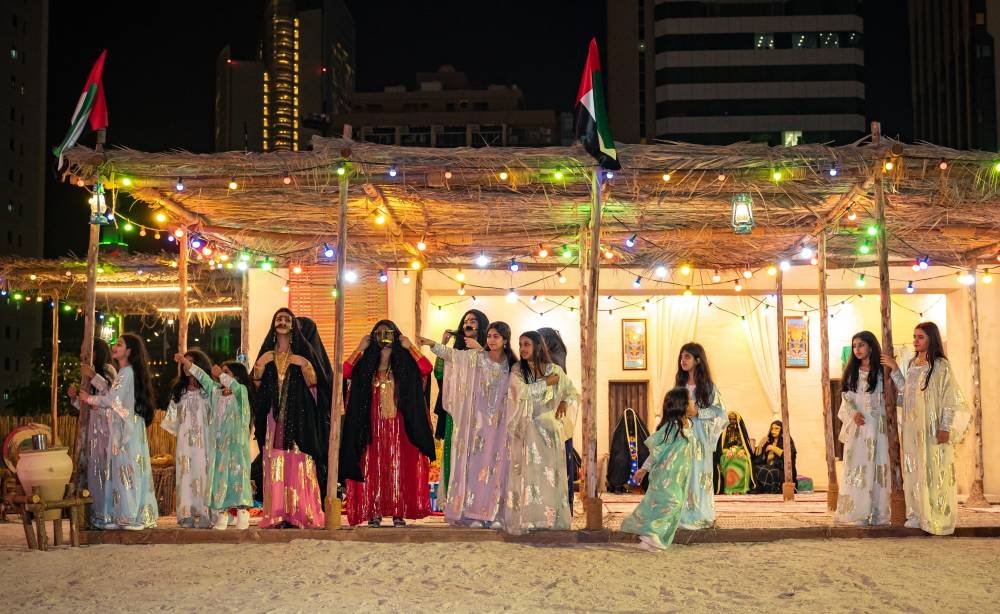
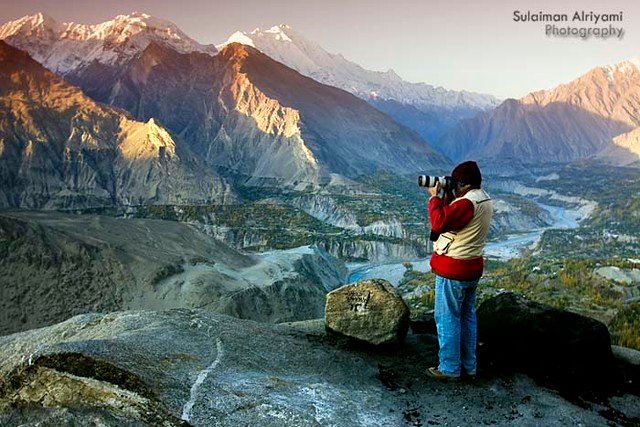
Northern areas of Pakistan are kinda known for their lovely landscapes, snowy mountains, clear lakes, green valleys, and quiet villages. Every year, a lot of travelers head there, mostly to enjoy the natural beauty and take in the views. Yet the real beauty of Northern Pakistan is, somehow, not just in the peaks or rivers. The biggest pull you feel is also in the traditions, the hospitality, and the little celebrations of the people who live in these valleys.
If you go around places like Hunza Valley, Skardu, Chitral, Gojal, and Gilgit, you can easily notice how local culture is woven into everyday life. Weddings, seasonal festivals, harvest celebrations, and community gatherings are a major part of life in these mountainous villages. And those days are filled with music, dancing, traditional outfits, local food, and emotional family scenes that people remember for years, even after time passes.
Compared to big city events, the celebrations here feel more plain, more close to the heart. Villagers get together not only for fun but also to keep their customs alive, and in a way to build stronger ties. When travelers attend, they are usually welcomed warmly, as if they belong for a moment, and you end up feeling connected to the local culture, not only watching it from the outside.
So if you want more than just sightseeing, then traditional weddings and festivals can show you the real culture of Northern Pakistan. In this guide, you will discover local celebrations, wedding customs, well-known festivals, and cultural traditions. Also, you will know how visitors can enjoy these experiences in a respectful manner while staying mindful of the community and its way of life.
Why Cultural Celebrations Matter in Northern Pakistan
Life up in the mountain zones feels a bit different than life in big cities, you know. Winters are longer, and very cold too. Heavy snowfall can stop the roads for many days, and sometimes whole villages are sort of cut off from the rest, for weeks even.
Because of that, festivals and weddings become kind of a big deal for local people. These get-togethers bring real joy, renewed energy, and also that together feeling within the community, like everyone is in it together, not only one family.
Cultural celebrations also help people stay tied to their traditions. The elders pass things on to the youngsters during these events, like traditional songs, dances, stories, and local customs. In many villages, those customs don’t disappear because the gatherings keep them alive.
And honestly, festivals give a break from the hard mountain routine. Farmers often celebrate good harvests. Families celebrate marriages and new chapters, new beginnings, that sort of thing. Villagers gather, eat together, listen to music, and share those light, happy moments that you just don’t get every day.
For travelers, these celebrations are a chance to truly see mountain culture, not just in pictures. Visitors can watch how local people live, celebrate, and support each other in everyday life. You feel the rhythm of the place, even if you are visiting for only a short time.
Hospitality is another important piece, too. In Northern Pakistan, guests are treated with a lot of respect. Even if someone is a stranger, they’re often still asked to join meals and celebrations, and that kindness stays in the mind for a long time for many travelers from all over the world.
The charm of traditional weddings
Traditionally arranged weddings in Northern Pakistan can hardly be called sophisticated and elaborate; however, something is fascinating about them, and they definitely evoke different emotions and feelings, which have little in common with those experienced at a modern, big-city wedding. The latter are dominated by luxury decorations and lavish halls, which overshadow all other aspects of the event. Traditionally arranged weddings in the mountains are quite different in that they involve family relations, customs, traditions, and the local community as a whole.
In many northern villages, weddings take place outdoors without any restrictions. On the contrary, everyone feels invited and welcomed; neighbors and other locals help the couple arrange everything a few days before the ceremony itself, bringing what they can afford – cooking appliances, musical instruments, and even their hands to assist.
Women start to organize themselves into groups that will do cooking, prepare costumes, and decorate the house. At the same time, men also do something to help, namely arranging seating places, coordinating the music, providing the transportation service, and welcoming guests as they come in. Although everyone performs their roles according to customs, they are usually shy at first.
Weddings of this kind usually take several days because it is essential to follow the local customs. Each valley is unique when it comes to various traditions, rituals and wedding ceremonies. In spite of the fact that these weddings are organized in quite distant areas, numerous customs are actively preserved, which is one more reason why the weddings appear genuine. It does not look like they were arranged for tourists’ sake.
The atmosphere at the weddings is very warm and festive. People share laughs, sing folk songs, and celebrate various events surrounded by picturesque mountain views.
Traditional Wedding Clothes
Traditional wedding clothes are one of the most beautiful parts of weddings in Northern Pakistan. Brides, grooms, and even guests wear cultural outfits that show local traditions and history, a bit like a quiet story you can see.
Bridal Dresses in Hunza
In Hunza Valley, brides often wear colorful dresses with lovely embroidery. The dresses are decorated with beads, silver jewelry, and gemstones, but the final look is still somehow softer.
Many brides also wear handmade caps, traditional shawls, and family jewelry that was passed down from older generations. It’s not just pretty; it carries family traditions and cultural value too.
Traditional Groom Outfits
Grooms usually wear traditional shalwar kameez, sometimes with waistcoats and local wool caps. These clothes represent the culture and the identity of the region in a very direct way. The style is simple, yet elegant, so weddings end up having a traditional, meaningful look.
Wedding Clothes in Chitral
In Chitral, traditional Chitrali dresses are quite popular during weddings. Women wear long, colorful dresses with embroidered patterns, plus jewelry that catches the light. Men proudly wear the famous Chitrali cap, and yeah, it is considered an important part of local culture.
Warm Clothes for Mountain Weather
Even when wedding celebrations happen, many northern valleys stay cold. That’s why warm woolen clothes are often included, without anyone really thinking too much about it. People wear shawls, wool caps, and thick traditional clothing so they feel comfortable during the whole event, especially in the evenings when it gets chilly.
Meaning of Wedding Colors
Also, wedding dress colors usually come with cultural meaning. Bright colors like red, green, blue, and maroon are commonly used because they suggest happiness, celebration, and prosperity. So the colors aren’t random, they’re more like signals people understand.
Traditional Music and Dance
Music is one of the most important things at weddings and festivals across Northern Pakistan. Honestly, without music, the celebration feels sort of incomplete, like something essential is missing, you know?
Traditional musicians usually play instruments that have been in the region for centuries, passed along like an old habit or a family duty. Some of the most common instruments are:
- Rubab
- Daf
- Surnai
- Dhol
- Flute
- Damboor
When these sounds bounce around the mountain valleys, it creates this magical atmosphere, and it’s like everything gets a little softer and a bit brighter all at once. Somehow.
Folk songs are often emotional and meaningful too. Some songs talk about love, others, they honor the bravery of the land or the high mountains, and sometimes they focus on community life as well. Older singers tend to perform pieces with historical memories and cultural values, even if the words seem simple.
And the dance part is equally important during celebrations. Men and women gather in circles, and they do traditional dances that follow local customs. In a few valleys, the dancing is energetic and fast, really fast sometimes. In other places, it slows down, and it becomes graceful, like genuinely graceful.
You know, in some regions, the famous sword dances attract a special kind of attention from visitors. The dancers move carefully with swords while the musicians keep up powerful rhythms behind them, like a steady push that doesn’t stop. Travelers who join in respectfully often end up being part of the celebration, not just standing there watching from far away.
Traditional Foods Served During Celebrations
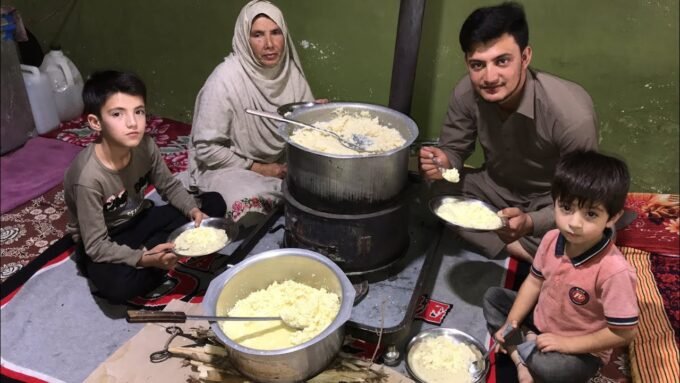
Food really feels like a big part of every wedding or festival in Northern Pakistan. Most families put in a lot of care, not just for the meal itself but because feeding the guests is also taken as a sign of respect and hospitality, you know.
During celebrations, people often serve dishes like
- Chapshuro
- Mamtu
- Harissa
- Yak meat dishes
- Dowdo soup
- Butter tea
- Local bread
- Dry fruits
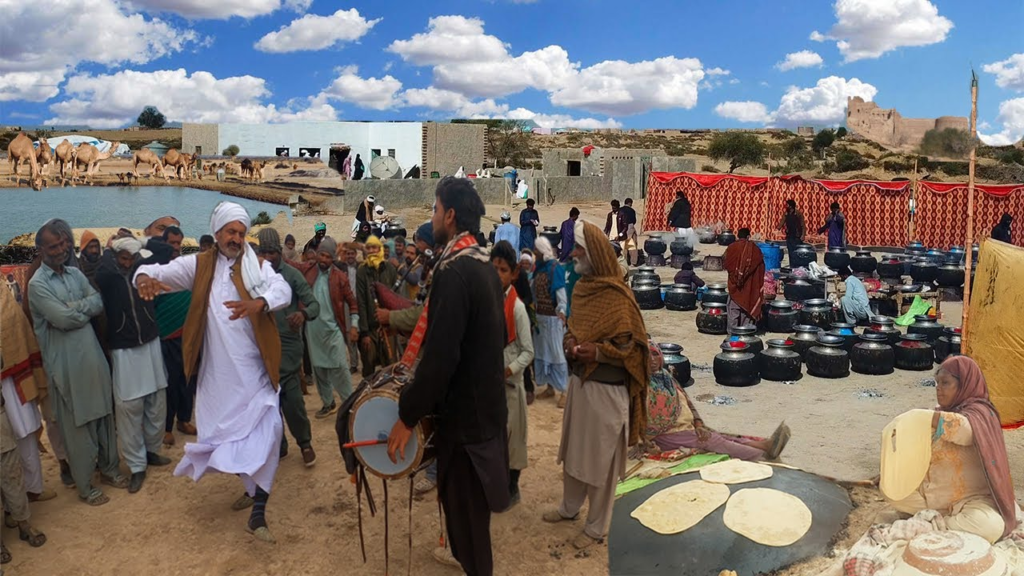
Usually, large cooking pots get set outside, so people can cook together. The women take care of the traditional bread, while the men handle the meat dishes over open fires, and everyone kind of watches and helps in their own way.
Fresh local ingredients, then do something special for the taste. Mountain herbs, organic vegetables, homemade butter, and locally raised meat all come together, and the meals end up rich and very flavorful.
And yes, dry fruits too, like apricots, almonds, walnuts, and cherries, are offered to guests. Some families even proudly serve homemade apricot oil plus local tea for visitors. Tourists who try these foods often mention the warmth and kindness of the people.
Famous Festivals in Northern Pakistan
Folks in Northern Pakistan, well, they celebrate a lot of festivals throughout the year. Some are tied to farming seasons, and others are connected to religion, local culture, and everyday traditions.
These festivals pull in local people and visitors, too. They feel genuinely traditional, with loads of color, and it’s like you can really sense the atmosphere. Tourists usually look for music, dancing, and the local dishes, because honestly, that’s where the life happens.
When the festivals kick off, villages sort of “wake up” right away. People play instruments, perform dances, show handicrafts, and even join in different kinds of sports. You’ll also see traditional food offered everywhere; no one is really stingy with sharing.
So if you travel there, you end up learning a lot about mountain life. It’s not only about seeing places, but it’s more about feeling the local culture, like it’s right there with you.
Navroz Festival
Navroz is also called Nowruz in many northern areas. And yes, it’s one of the biggest festivals in the region. This celebration comes with the arrival of spring, and it quietly tells everyone that a fresh start is coming after the long winter stretch.
Before Navroz arrives, people clean their homes; they sort of reset everything. They wear fresh clothes and cook special meals. Families also go to visit relatives, neighbors, and people they haven’t met in a while.
In places like Hunza Valley and Gojal, Navroz is pure joy. People enjoy music, poetry, lively dancing, and community meetings that feel both warm and serious at the same time. Young people run around, play games, and join events. Elders then share stories, and they give blessings too.
Visitors who come during Navroz usually find a really cheerful and bright setting, filled with song, wide smiles, and that strong community spirit which you can’t really copy anywhere else.
Ginani Festival
Ginani Festival is a traditional harvest celebration held across several northern valleys. It focuses on the wheat harvest season, and it also shows gratitude for nature’s gifts.
Agriculture matters a lot in mountain communities. Because farming can be really difficult in high-altitude areas, when the harvest actually works out, people celebrate with real happiness.
Villagers come together to sing customary songs and prepare special meals. Elders pray for prosperity, good weather, and healthy crops for the next season coming up.
Also, the festival helps strengthen social bonds inside villages. Families go around to one another, they trade food, and they join community activities, sometimes all day. Travelers who attend the Ginani Festival can see authentic village life and traditional farming customs that have stayed pretty much unchanged for generations, maybe even longer than that.
Shandur Polo Festival
The Shandur Polo Festival is, kinda one of the more famous cultural events in Pakistan, you know. It happens at the breathtaking Shandur Pass. Many people say it is the highest polo ground in the world, and honestly, when you see it, you get why. The place sits between mountains and green plains, so the scenery feels almost unreal; it’s really pretty. In the matches, teams from Gilgit and Chitral go head-to-head in thrilling polo games. Thousands of spectators crowd around to watch, so it’s never quiet.
And unlike modern polo, this traditional mountain polo is more like rapid and lively play, with fewer super strict rules. The energy level rises fast. When the crowd cheers for their favorite team, the whole atmosphere becomes intense. Also, besides the polo matches, the festival usually has:
Folk music shows
- Traditional dances
- Camping-type activities
- Handicraft markets
- Local food stalls
- Cultural displays
Travelers often pitch tents near the polo ground, then spend the evenings with music and bonfires, right there under the stars.
Kalash festivals
The special traditions of the Kalash people draw travelers from everywhere, almost like a magnet. It’s really hard not to notice. The Kalash community holds a few bright, busy festivals during the year, such as
- Chilam Joshi
- Uchal
- Choimus
These festivals seem tied to nature, spirituality, and the turning of seasons all at once. Like, everything happens in rhythm with the land and the weather. Men and women wear lovely traditional clothing, decorated with vivid embroidery, and also with handmade jewelry. Then people come together, they sing, they dance, and they celebrate their cultural identity in a very direct way, not just for show.
The valleys get lively with music, laughter, and other cultural activities. Travelers often say that Kalash festivals are among the most unusual cultural experiences you can have in Pakistan. These traditions are very old and different from mainstream culture. Visitors should always be respectful and avoid disturbing the events. It is also important not to interrupt ceremonies or any private moments.
How travelers can participate in local weddings and festivals
Many travelers hope to actively engage in wedding or festival events during their stay. However, they may experience some difficulties when approaching such events. Travelers should act with respect and kindness. They should also be curious and careful about local culture. It is important to respect not only traditions but also the things that matter to local people.
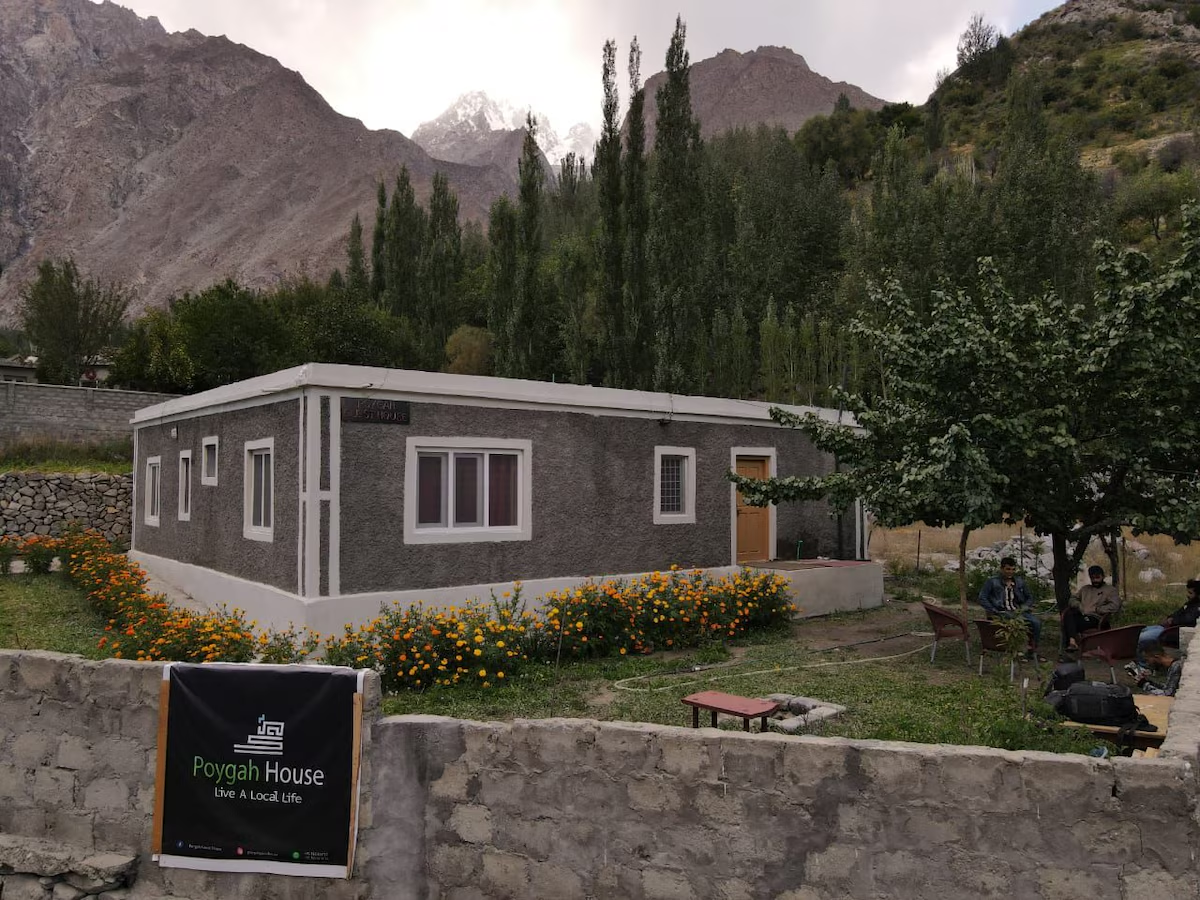
Stay in Local homestays
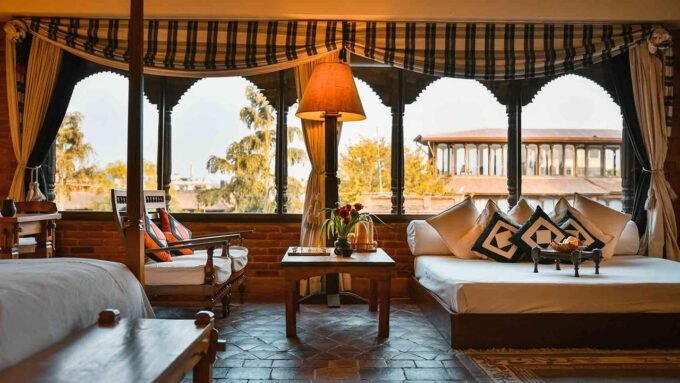
Homestays might be a convenient form of accommodation if travelers would like to observe the local culture and interact with locals in an informal environment. Many families invite visitors to share a meal with them, and that can turn into a real connection fast. They might also bring up plans and upcoming events, but only if the visitor seems relaxed and comfortable.
For example, in regions like Passu and Karimabad, homestays can give you the chance to watch local rituals and also observe mountain life firsthand. Sometimes it feels less touristic, more real, almost like you are inside the everyday rhythm of the place. This experience will not look rehearsed or planned, and visitors can get a real sense of local customs, which is quite valuable. Moreover, in many cases, visitors are invited to local wedding ceremonies or parties by their hosts.
Conclusion
The northern parts of Pakistan give you more than just scenic landscapes, honestly. The real beauty is in the traditions, the festivals, the music, the weddings, and the kind of hospitality that local communities keep going every single day, like it’s second nature or something.
For example, you’ve got those colorful Kalash festivals to begin with, then you get traditional weddings in the Hunza Valley. You also get the exciting polo matches at the Shandur Polo Festival. Every celebration sort of shows the strong cultural identity of the mountain people in a way you can’t easily imitate or swap out for something else.
People who join these gatherings with respect usually drift back home with unforgettable memories, you know what I mean. Many of them even manage to build meaningful friendships somewhere along the route. Somehow, those lived moments help visitors understand Northern Pakistan in a deeper, more intimate manner.
And these cultural get-togethers aren’t only enjoyable, but not even close. They gently remind you how vital community is, how tradition matters, how hospitality works, and that simple human connection, in a world that is changing too fast.


Leave a comment