


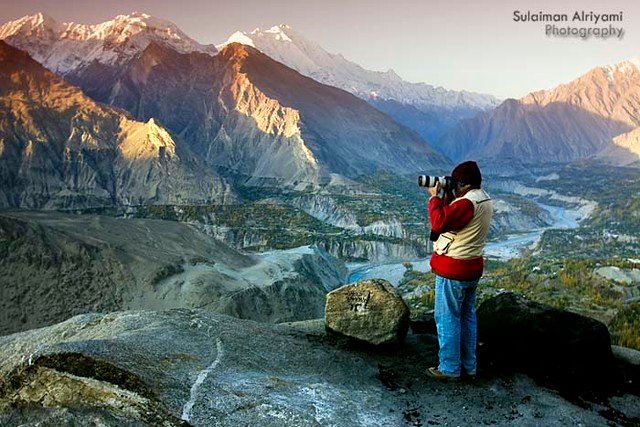
Hunza Valley is in the majestic mountain region of the Northern part of Pakistan, which has become one of the most photographed regions in South Asia. The valley is a photographer’s delight, a travel blogger’s haven, a filmmaker’s playground, and a nature lover’s paradise with its towering peaks, turquoise rivers, ancient forts, colorful culture, and peaceful villages. Almost surreal situations in Hunza can be experienced starting from the sunrise at Rakaposi till the golden hues of Karimabad in the fall season.
However, with tourism and social media, there is also an obligation to the profession of photography in Hunza. A lot of tourists visit the region just to produce videos that will be viral. The majority of tourists visit the region with only one goal, which is simply producing videos that will be viral, and don’t care about the environmental, cultural, and social impacts of their travel. Littering while shooting, disrespectful portraits, unsafe photography practices, and the use of drones are beginning to get caught up in local communities and sensitive ecosystems.
Photography isn’t all about taking gorgeous photos. It is also a concern with respect for the dignity of people, respect for local traditions, and the preservation of the landscape, which is what makes a destination. Ethical and responsible photography tells a story and leaves a positive impression on the tourist’s visit to the place.
This Guide is an adventurous journey into the beauty of Hunza Valley, respectfully and responsibly, for photographers. Whether you choose to take photos with a fancy camera, your phone, or a drone, these tips will help you make meaningful and impactful images, and sustainable tourism in the north of Pakistan as well.
Understanding the True Beauty of Hunza Valley
First, it is essential to be aware of Hunza’s uniqueness, and only then begin the journey of photographs. It’s not just a bunch of picturesque mountains in the valley. It has ancient traditions, alternative languages, friendly people, and communities that are closely connected to the elements of nature.
Some of the popular places in Hunza Valley are:
- Karimabad
- Altit Fort
- Baltit Fort
- Attabad Lake
- Passu Cones
- Khunjerab Pass
- Eagle’s Nest
There are different ambience and cultural values for each place. The first of these principles for ethical photography is to recognize that these are not just places for tourists to visit. It includes houses, offices, farms, schools, and religious buildings that are used by the local community.
People who are interested in exploring the local culture are more likely to capture meaningful and beautiful photos. Responsible photographers don’t have to rush to take any pictures, but they have to be quick to make a story; to be patient; to talk to human beings.
Why Ethical Photography Matters in Hunza
Tourism is emerging as a trend that has created opportunities, but also challenges for Hunza. Photography is used for tourism promotion and promotion of cultural awareness and local businesses. Meanwhile, inappropriate activities can have a detrimental effect on sensitive habitats and on the peace and quiet of the community.
Why photography is important to ethics:
- Preserve local culture and traditions
- Protect natural landscapes
- Connect and build relationships with communities.
- Support sustainable tourism
- Promote good riding habits
- Reduce environmental damage
- Promote authentic storytelling
Responsible visitors make locals feel at ease with visitors. Ethical photographers are able to be ambassadors for responsible tourism and not beyond responsible tourism and environmentally destructive practices.
Respecting Local Communities and Culture
Respecting the Hunza people is one of the most crucial factors of ethical photography. The valley is also a very welcoming one, but don’t take it for granted that all the people in the valley want to be photographed.
Always Ask for Permission
When photographing the faces of others, ask them first for permission, or for close-ups of someone’s face, ask permission before taking the picture. This is particularly true for:
- Elderly residents
- Women
- Children
- Shopkeepers
- Farmers
- Craftsmen
- Religious individuals
Some may be willing to give, and others may feel uncomfortable. Respect their choice – don’t argue, don’t put pressure on.
A greeting, a smile, or a brief exchange can be enough for a positive interaction to occur before taking photos. Simple communication is a sign of respect and appreciation of local culture.
Avoid Treating People as Props
A typical blunder made by tourists is making the locals look like visual props for their social media posts. The dignity of the image should not be exploited in the name of the “authentic photography”.
Avoid:
- Taking secret photos
- Mocking traditional clothing
- Staging artificial scenes
- When someone is working, interrupting him/her
- Providing a prize for awkward photographs
The aim should be to tell true stories, not false or offensive stories.
Dress Respectfully While Photographing
While somewhat accepting of outside influences, as in some parts of the world, modest dress is still welcomed. Respectful dress allows the photographer to seamlessly fit into the local surroundings and generate positive interactions.
Comfortable and modest travel clothing is ideal to wear, particularly in village areas, markets, or religiously sensitive areas.
Protecting Hunza’s Fragile Environment
One of the most valuable assets of the Hunza is its natural beauty. The snow-covered mountains, glaciers, alpine lakes, and rivers are sensitive areas of the environment, which must be protected.
Follow Leave No Trace Principles
Photography sessions always include a lot of hiking, camping, and exploring remote locations. The locations should be left as they are found by responsible photographers.
Important habits include:
- Taking reusable water bottles
- Taking all trash back
- To avoid damaging plants and flowers.
- On marked trails and short paths.
- Stay out of the way of wildlife
- Not cutting names into the rocks or trees
All actions, even small ones, have long-term environmental effects in fragile mountain ecosystems.
Avoid Dangerous Photo Behavior
Some tourists take risks to make posts for social media. Being on top of unstable cliffs, going into dangerous glacier zones, and obstructing roadways for pictures can result in accidents.
Responsible photography is more about safety than attention. No picture is worth putting one’s life at risk, or anyone else’s.
Be Careful Around Water and Glaciers
Such sites as Attabad Lake and glacier viewpoints are beautiful but dangerous. The weather can change rapidly in high altitudes.
Avoid:
- Running or walking too near the edge of unstable ground.
- Entering restricted areas
- Waste near lakes/ponds
Responsible Drone Photography in Hunza
There has been a growing trend of using drones for photography in the North of Pakistan. While aerial shots of mountains and lakes can produce spectacular images, flying drones can also be intrusive to animals and people if they’re not handled responsibly.
Know Local Rules and Restrictions
The use of drones might be restricted in some parts of northern Pakistan for security or environmental reasons. When flying a drone, please always refer to local regulations.
Avoid flying drones:
- Near military areas
- Around airports
- Over crowds
- Close to wildlife
- Close to private residences, without permission
Respect Privacy
Any drone use should not infringe upon the right to privacy. People may not like you to fly low over villages, houses, or people without their permission.
Ethical drone photography is about landscapes and not intruding on daily life.
Avoid Noise Pollution
Noise is among the major problems with drones. It can also have adverse effects in peaceful mountain settings, where the constant drone of traffic can be disruptive to local residents and visitors looking to enjoy the quiet.
Fly drones responsibly and refrain from unnecessary drone flying in natural areas with low and high noise.
Capturing Authentic Stories Instead of Viral Content
Travel photography has undergone a significant transformation on social media. Nowadays, travelers seek “Instagrammable” content and not real experiences. But the best photography is when it’s straightforward – not showy.
Focus on Storytelling
Take photos of not just iconic places, but the atmosphere of Hunza:
- Morning village life
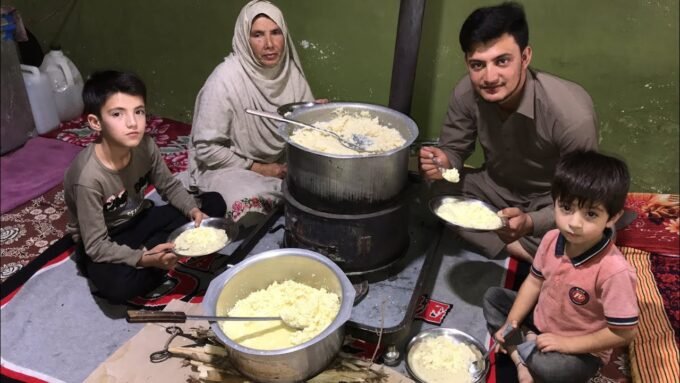
- Traditional food preparation
- Those who worked in the orchards were farmers.
- Local festivals
- Handicrafts and culture information
- Daily interactions
Such moments make more emotional, deep stories.
Avoid Over-Editing Photos
Excessive editing can ruin the natural beauty of Hunza. While oversaturated skies and unrealistic colors may get the attention online, they can present a false image.
Natural editing styles preserve authenticity and enable viewers to understand the true beauty of the region.
Support Local Artists and Guides
Local guides and photographers tend to know hidden points that outsiders don’t, cultural nuances and ethics, etc. Local guides and photographers are more likely to know the hidden viewpoints, cultural understandings, and ethical practices than outsiders are.
Hiring local professionals:
- Supports the economy
- Encourages community tourism
- Provides cultural understanding
- Develops safer travel experiences
Tourism is a responsible activity that should be beneficial to local communities, not just tourists.
Ethical Portrait Photography in Hunza
In Hunza, portrait photography can be a highly rewarding experience as the people of the valley are steeped in rich cultural traditions and have unique stories to tell.
Build Trust Before Taking Photos
The first step to a good portrait is connection – not cameras. Take time to chat with others before shooting their picture. Inquire about their assignments, family, or their culture.
Sometimes, the natural interaction that is created results in better portraits than a hurried photoshoot.
Share Photos When Possible
The photos taken of local residents are appreciated by many. If possible:
- Show the image on your camera
- Offer to send digital copies of…
- During further visits, print photographs.
This is a great way to establish trust and appreciation.
Be Sensitive Around Children
Children are often photographed by tourists. For children, always ask parents/guardians for permission before taking photos.
Avoid:
Offering money for pictures.
- Encouraging unsafe poses
- Interrupting school activities
Children must never be forced to entertain tourists.
Best Times for Ethical Photography in Hunza
Another aspect of responsible photography is knowing what to expect in terms of time and weather.
Spring Season
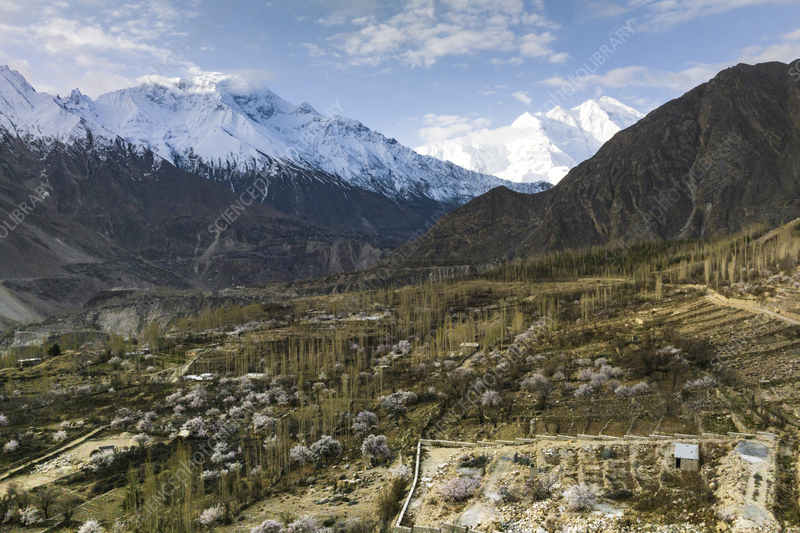
Cherry and apricot blossoms abound in the spring in Hunza. When the villages get colourful, they become vibrant, and fabulous pictures are captured.
During the spring, consider using these ethical tips:
- Don’t trespass in orchards
- Respect private farmland
- Please don’t set fire to flowers for photographs
Summer Season
The best time for trekking and landscape photography is summer. Roads are easier to get on, and mountain views are generally unobstructed.
But it’s also busy in the summer. Professional photographers must not add to crowding or obstruct public walkways for extended photo shoots.
Autumn Season
With the autumn season, Hunza turns to gold, orange, and red. One of the most picturesque seasons of the year.
This season is ideal for:
- Landscape photography
- Village scenes
- Mountain sunsets
- Cultural storytelling
Winter Season
Hunza is a great place to do a winter photo shoot because of its lower tourist numbers and snow-filled scenery. But when the weather is rough, additional preparation and awareness for safety are needed.
Photography Etiquette at Cultural and Religious Sites
Historical and cultural values are to be respected in Hunza.
At cultural centres, mosques, or forts:
- Follow local guidelines
- Avoid loud behavior
- Please check before taking photos inside prohibited zones
- Respect worshippers and ceremonies
Don’t use flash photography if it is not allowed
The locations, such as Baltit Fort and Altit Fort, are not only tourist backstories but are significant heritage sites as well.
Sustainable Travel and Photography Gear
A cameraman will consume a lot of space when he travels. Environmental impacts can be minimised when selecting appropriate equipment.
Travel Light When Possible
Minimal gear:
- Do not overload tools with items; learn a few key tools. Reduces physical strain
- Makes travel easier
- Limits environmental impact
- Encourages more natural exploration
Use Rechargeable Batteries
Pollution occurs and is produced by disposable batteries in remote areas where there are restricted waste disposal systems. Rechargeable batteries or solar charging are more environmentally friendly.
Avoid Litter from Photography Accessories
Never leave lens wipes, plastic packaging, snack wrappers, and battery covers in natural areas.
A small waste bag is taken on hikes by responsible photographers.
Supporting Responsible Tourism Through Photography
The photographs have the ability to change the way people travel. The images posted on the Internet influence public perceptions and motivate future visitors.
Promote Responsible Behavior Online
Here are some guidelines to keep in mind when publishing pictures from Hunza:
- Encourage respectful tourism
- Don’t encourage unsafe stunts
- Respect and support local guides and communities
- Share environmental awareness
- Inform the public of responsible travel.
At least travel photography should be a source of recognition, not of crazy tourist trends.
Avoid Geotagging Sensitive Locations
Some hidden natural areas become overcrowded after going viral online. After going viral, some of these natural spaces get saturated with visitors. Excessive tourism can be detrimental to ecosystems and the community.
Try to not use exact geotags for sites of fragility and lesser-known sites.
Highlight Local Culture Respectfully
The purpose of photography is to honour local identity – not stereotype it. Use contextually and sensitively appropriate stories.
When you produce real stories, you produce real content for travel. Real stories will yield real content for travel, more meaningful than superficial fads.
Common Mistakes Tourists Make While Photographing Hunza
Unfortunately, many visitors end up acting irresponsibly as they attempt to produce some great-looking content. Common mistakes include:
Illegal flying of drones (outside the guidelines)
Driving to block the roads for photos.Driving to block the roads for photos
- Leaving litter behind
- Disturbing wildlife
- Theft: to enter or trespass upon private property.
- Photos taken without permission.
- Causing injury to flowers or crops
- Making risky social media stunts
Travelers are more respectful visitors when they are aware of these issues.
The Role of Photography in Preserving Hunza’s Heritage
Photography can also be a positive tool in conservation and cultural preservation. Ethical images assist in documenting:
- Traditional lifestyles
- Historical architecture
- Environmental changes
- Cultural festivals
- Indigenous craftsmanship
Photographers with a positive attitude and understanding help raise awareness, educate, and appreciate the heritage of northern Pakistan.
There is more to photography than it’s about looks. It’s also a story of memory, identity, and storytelling.
Creating a Positive Impact as a Photographer
All travelers have an effect on the locations that they visit. A good photographer wants to create a positive one.
Simple actions make a difference:
- Respect local customs
- Support community businesses
- Minimize waste
- Educate fellow travelers
- Promote sustainable tourism
Show appreciation for people beyond photographs.
Pursuing the perfect social media post is not the way to the best travel experiences at all times, and sometimes it is about the true and real human connections.
Final Thoughts
The picturesque Hunza Valley is one of the most inspiring places in the world for photographers and travellers alike. The valley offers dramatic landscapes and the warm local culture, enabling the creation of unforgettable visual stories.
But there’s a catch to capturing the beauty of Hunza. Ethical and responsible photography means respecting the people, their traditions, and their environment, treating them with dignity and respect. Respectful behaviour helps to protect the valley and helps to provide better and more significant travel experiences.
It’s not always the most liked or dramatic photos that are the best. Many times, they’re pictures made with patience, empathy, and understanding. Respect, curiosity, and responsibility are the key qualities that can be expected when photographers approach Hunza and preserve the spirit of the valley for future generations.
Beauty is not the only thing that should be captured by photographs. It should also cover and encase it.



Leave a comment