


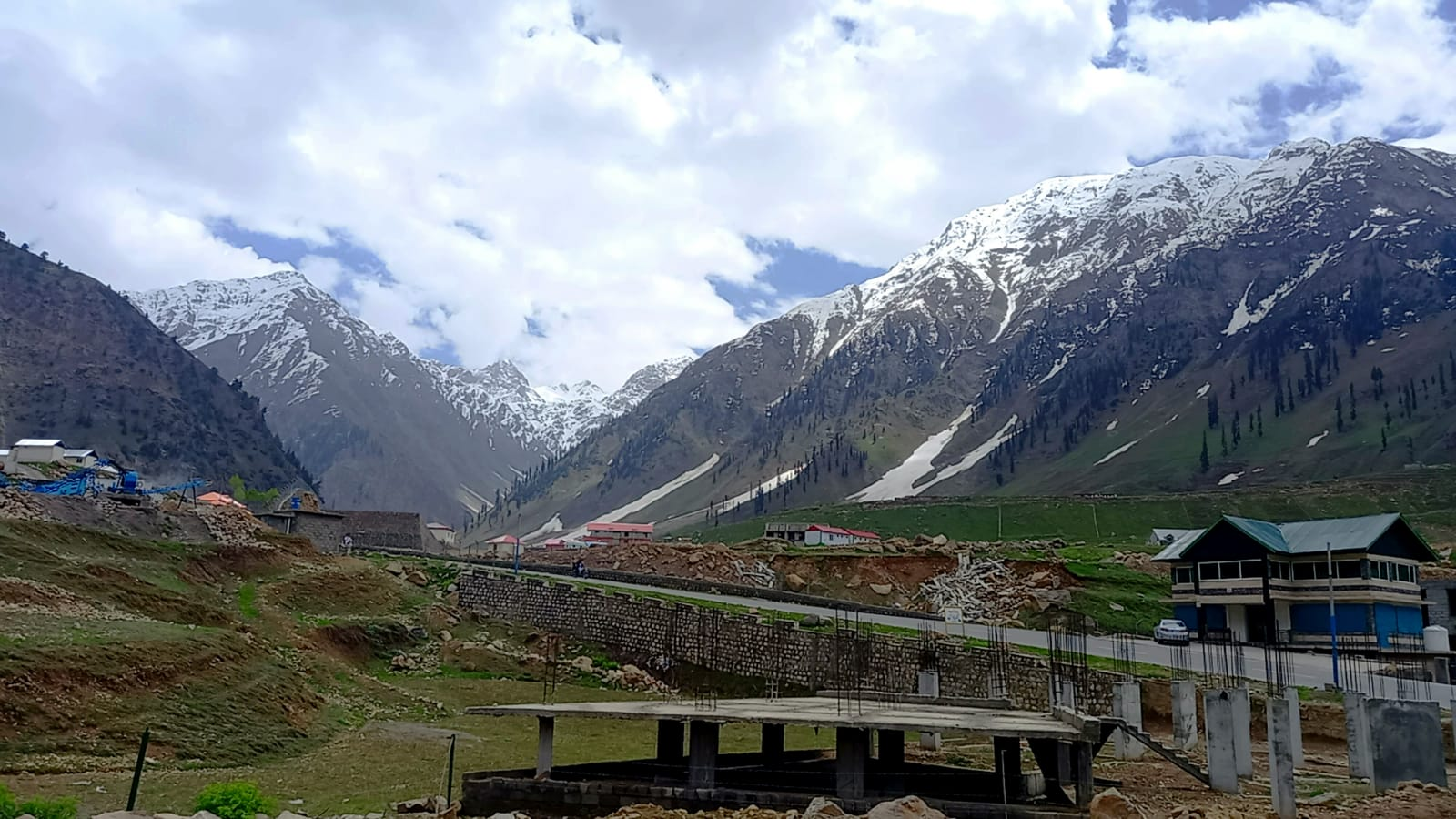
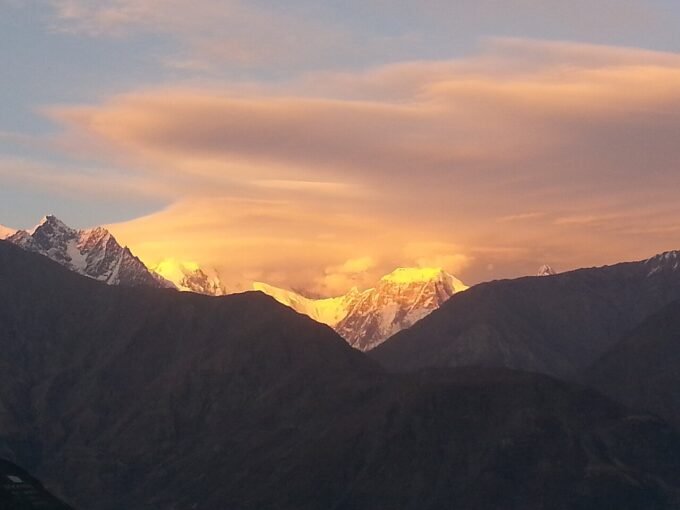
Located right in the middle of the beautiful and remote Gilgit-Baltistan region of northern Pakistan, Naltar Valley is one of the world’s best alpine locations that has not yet been heavily explored. Naltar Valley feels like a forgotten place on most maps; you can hear the sound of snowballs falling off ridge tops and onto turquoise lakes sitting perfectly still on the ground under the nearly white, snow-covered hills surrounding them. At the bottom of steep mountains, with deep pine tree forests lining both sides of the lake on the steep slopes, you can see the features of what seem to be almost too bright to be real, as spring time wildflower meadows cover the ground with the brightest colours you have ever seen (between yellow, pink, white, purple and blue wildflowers).
While Naltar Valley has a wide variety of natural features that have attracted many adventure enthusiasts (hikers and climbers), photographers, and winter sports lovers, the highlight of the Naltar Valley is the Naltar Lakes, which are known for their shimmering blue and green colours. Naltar is a 12-month destination with many different types of experiences and activities depending on which season you visit the valley.
When you compare Naltar with the more commercialized northern Pakistan travel areas of Hunza Valley and Naran Valley, you will find that Naltar Valley has been developed in a very different manner for visitors to experience the stunningly beautiful natural landscape.In detail, the Naltar Valley travel guide includes; how to get to this hidden place, descriptions of how weather affects things, which sites to see, where to stay and things to do while in Naltar, etc.
Location of Naltar Valley:
The Naltar Valley of Northern Pakistan is located approximately thirty-four kilometers northeast of Gilgit City, approximately two hours (up to two and a half hours) from Gilgit (the capital of Gilgit-Baltistan). The valley ranges in altitude from 2500 meters to over 4000 meters above sea level and is nestled in the western (Karakoram) mountains.
The access road to the valley bifurcates off of the main Karakoram Highway, making it one of the easier places to reach in Northern Pakistan that has such natural beauty. However, there is enough distance from the hustle and bustle that the area appears pristine and peaceful. From the Naltar Valley, travellers can either hike to high-altitude lakes or continue to trek up into other neighbouring valleys to experience even more of the breathtaking variety of scenery available in the immediate area.
Geographic Coordinates: approx. 36.1617° N, 74.1819° E
Administrative Details:
Naltar Valley is part of Gilgit District, situated in the Gilgit-Baltistan region, and is administratively within the Gilgit District. The closest major city is Gilgit (the administrative center), which serves as a transportation hub for anyone traveling to the Valley. Most people who plan to visit Naltar Valley will use Gilgit as a starting point to arrange day tours (or overnight stays) in the Valley.
Because of where it is located in the Karakoram, Naltar Valley is also one of many options for travelers to add to their itineraries when visiting Gilgit-Baltistan’s other sites. It can easily be included within any complete northern Pakistan itinerary that also includes visits to Hunza Valley, Skardu and/or Fairy Meadows.
Altitude and Geography
The elevation at which Naltar Valley is located is approximately 2900 – 3000 meters above sea level. Because of its great height, it greatly affects the temperature and vegetation as well as people’s way of life. The terrain is made up of a couple of parts: at the mouth of the valley, rocky slopes give way to dense forests; as you go further into the valley you encounter beautiful alpine meadows and streams from melting glaciers.
Local Communities and Settlements of Valley Naltar
Naltar Bala:
Upper Naltar consists primarily of tourists’ accommodation, such as hotels, restaurants and the local ski slope. Therefore, tourists will typically remain in the upper part of the valley, so they have access to the ski resorts as well as both of the Naltar lakes.
Naltar Paain:
In lower Naltar (Naltar Paain) there are also many local residents and many farms, wooden homes and livestock grazing areas. So, visitors who stay in lower Naltar can experience the local culture and way of life in an alpine mountain setting.
The Naltar Lakes – Bashkiri Lake System
The lakes of Naltar are referred to collectively as “Bashkiri lakes.” Located about 12-13 km from Naltar Bala, they are accessed via a steep, closed, wooded jeep trail.
Many tourists only visit the three primary lakes because several are found outside the main jeep tracks. However, the Bashkiri lake system actually contains five or six alpine lakes situated throughout the valley. Some of the smaller lakes do require a hike from a main jeep route.
Satrangi Lake:
Satrangi translates to “seven colors”, and as you look at the lake, you can see why they call it that. It is around 12km away from the main Naltar Valley at elevations between 3100m and 3480m (10,200 feet to 11,390 feet). The lake’s width is approximately 21,000 square meters; there is a rest house next to the lake which is maintained by the Gilgit-Baltistan Public Works Department. The colors of the water – green, blue, orange, turquoise, yellow, brown, and pink – come from the grasses and plants that grow under the surface of the water. On a clear day, you can see all of the colors, however, when it is cloudy or partly cloudy, these colors appear to dim. The first lake has a natural spring that warms its water and promotes the growth of algae, which is where the light green color of the lake comes from. The road to get to Satrangi is only accessible via a 4×4 vehicle and has ruts, rocks, and bumps the entire way.
Blue Lake:
The Blue Lake is almost a kilometer from Satrangi Lake and has a really deep blue color compared to Satrangi Lake’s blue. A lake this size is very large, at a total of 36,163 square meters; Blue Lake is about twice as large as Satrangi Lake. The other lakes that feed into the Blue Lake are all natural springs, considerably colder than the lake, have no algae, and have a beautiful turquoise-blue color. Seasonal lakes can create from the glacial melt that pools in mid-summer to form a new lake. This lake’s location provides a beautiful background of the snow-covered mountains and meadows and is much less crowded than the first, which makes it feel more peaceful.
Naltar Ski Resort:
Naltar Ski Resort is located in an extraordinary location in Pakistan and is considered the best place to ski in the country and the highest ski resort in South Asia, with elevations ranging from 2,810 to 3,700 m. Although Naltar is not well-known internationally, the ski resorts in Naltar have held international skiing events, and the quality of the snow is comparable to that found at other well-known ski resorts around the world.
Sheesha Lake (Feroza Lake):
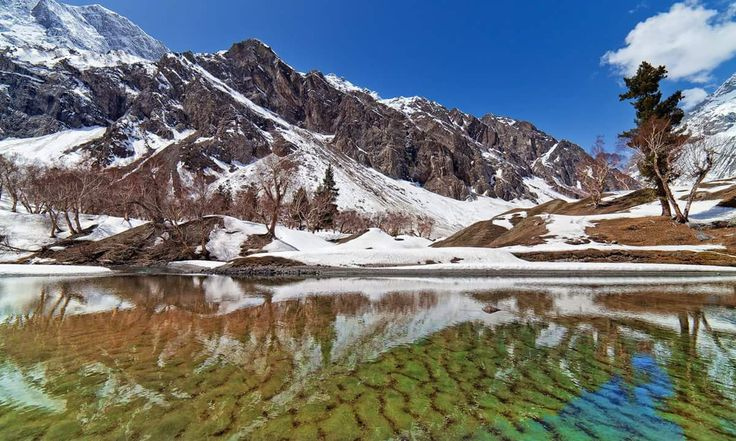
The lake known as Sheesha or also as Feroza has an alternate name for its water like “turquoise” as it refers to the colour of its water. The lake is located about a kilometre upstream of Blue Lake, on the left bank of the Naltar River and has a surface area of approximately 5000 square meters. Of the 3 main lakes; Christ is the smallest but arguably most gratifying to reach. Hiking the distance from blue lake to Sheesha Lake to get to this destination takes a great deal of effort. Due to the amount of effort needed, only a few visitors make it out here, hence you will enjoy this location essentially to yourself. The lake’s water is cold, clear and a dark shade of turquoise, nearly glassy when there is no wind blowing, hence why this lake is called Sheesha which means mirror or glass.
Photography tip:
The lake(s) are best photographed between the hours of 9 a.m – 11 a.m. and 4 p.m. – 6 p.m. when sunlight is optimal to help highlight the beautiful colours of the lake and the water but not too strong as to cast shadows on both the water and surrounding areas.
Best time of year for visiting the lakes:
The best time of the year to visit and enjoy the lakes are during June to September for ice free and trails that are accessible. However, all seasons offer unique and individual beauty with spring providing the volume and speed of snowmelt runoff, summer providing vibrant colours of the trees, and fall providing the lovely golden colour of the leaves on the trees around the lakes.
Weather and Temperature of Naltar Valley through All Seasons:
Due to its high elevation in an area with extensive tree cover, the weather in Naltar Valley is generally much cooler than that experienced in most of Gilgit-Baltistan.
Summer Weather (mid-May – end of September)
Temperature range: 10 – 25 °C
- This is the best time of year for visiting the lakes and camping or hiking there.
- Roads are in good condition and the trees form a dense green canopy over the roads.
May to September:
From mid-May to the end of September, temperatures in Naltar Valley are generally mild and pleasant. During the daytime, temperatures will typically remain between 10°C – 25°C. As the snow melts in the summer, the lakes, fields, and trails become accessible. The trees will be completely green and many streams will be run off from glacier melt.
Autumn Weather (October)
Golden View:
- Autum colours : A mix of Green & Gold/ Less tourists
Cold Nights:
- (usually less than 0° C) / Great photo opportunities
Summer to autumn:
In October, the valley begins to transition from summer into autumn and many of the trees begin to turn colour (green and gold). While the weather will be cooler than in the summer; more clear skies make for great photo opportunities and less traffic makes it more peaceful to travel.
Winter Weather (December – March)
- Usually Snow Covered Valley with Ski Slopes Open
- Frequently 10 – 15 feet of snow blocking/ Obstucted trails to the lakes.
Naltar Valley’s Forest and Wildlife Ecosystem
Naltar Wildlife Sanctuary was established as a protected area for animals and plants, including forested lands that provide habitats for a number of endangered species, over 35 species of animals and birds were identified in the sanctuary.
Naltar Wildlife Sanctuary:
To protect the animal species and forested lands located in Naltar Valley, it was designated as a wildlife sanctuary in 1975.
Animals in Naltar Valley:
The sanctuary contains a number of animals including, but not limited to, snow leopards, Himalayan brown bears, ibex, and red wolves; while animals like these may not be frequently observed due to their fear of humans, their presence represents the ecological significance of the area.
Snow Leopard Lolly is a Precious Gem of the Naltar Valley
The Naltar Valley may be known for its mountains and lakes, but Naltar Valley is also known for its beloved snow leopard – Lolly, who is one of Pakistan’s most prized wildlife ambassadors. Snow leopards are hard to find because they’re sly, and therefore are often referred to as “the ghosts of the mountains.” The estimated number of snow leopards remaining in Pakistan’s remote highlands is only a few hundred.
Lolly was rescued as a cub after she was separated from her mother. Lolly has been raised with humans and as a result, cannot be returned to the wild, but now lives in a protected space in the Naltar Valley. Visitors will be able to witness Lolly up close while connecting to one of the world’s most significant species.
Seeing Lolly is an experience that won’t soon be forgotten – Lolly’s stunningly patterned fur coat, piercing eyes and muscular body provide insight as to what life is like for snow leopards who inhabit Pakistan’s far off mountainous terrains; however, Lolly’s appeal to visitors offers them a reminder of the importance of conservation, specifically to protect snow leopards from extinction as well as their scarce alpine habitats.
Visiting Lolly in the Naltar Valley is an educational and thrilling experience – such experience demonstrates the significance of snow leopards to mountain environments and wildlife.
Facilities for Winter Sports
The ski resort has a variety of slopes at all levels of difficulty — beginner slopes are gently sloped while advanced slopes have a more challenging design to test even the most experienced skiers. Lift services will operate on busy days all season long (from December to March), but compared to European or North American ski resorts, the facilities available are not very elaborate.
Skiers and snowboarders have access to rental shops to rent skis, boards, boots and safety equipment. However, many passionate skiers or snowboarders bring their own equipment. Ski instructors are available to teach people to ski, and the stunning mountain scenery provides a spectacular atmosphere for newcomers to learn.
Attractions Available Off-Season
From April to November, the ski resort’s area turns into beautiful alpine meadows to enjoy hiking, picnicking or photographing. The chairlift, when running during the summer season, provides guests with scenic rides to see the picturesque valleys without skiing down the slopes.
Accommodations Available at the Resort
There are limited options for accommodations available at the ski resort, with government operated rest houses and privately owned no frills, basic lodging typically without heat. To ensure policy reserving a room at a lodging facility during high skiing season (late December through February), the room must be reserved in advance through local tourism authorities or tour companies.
Peak Ski Season:
Generally speaking, skiing occurs between December through March with the best snow conditions usually occurring between January and February, at which time the greatest amount of snow and best quality snow will exist on ski slopes.
Are you looking to visit one of the country’s best ski resorts? With the winter sports packages provided by Eventica Travels, you will receive everything you need for an unforgettable ski trip in Naltar, including your rental equipment and lessons, as well as comfortable lodging to make sure your trip goes off without a hitch.
Things to Do in Naltar Valley
1. Jeep Safari to Naltar Lakes
Naltar Lakes can be accessed by jeep safari. Tourists frequently take 4X4 jeeps in order to visit these locations due to the fact that the road from Naltar Bala to the lakes is both dangerous and difficult to drive on (narrow and rocky).
2. Trekking & Hiking
2. The numerous trek routes wind through forests, over glacial streams, and through beautiful alpine meadows offer fantastic trekking or hiking in this valley.
3. Skiing in Winter
Wintertime skiing, snowboarding and snow photography provide you with unforgettable memories of your visit to Naltar Valley.
4. Camping Under Pine Forests
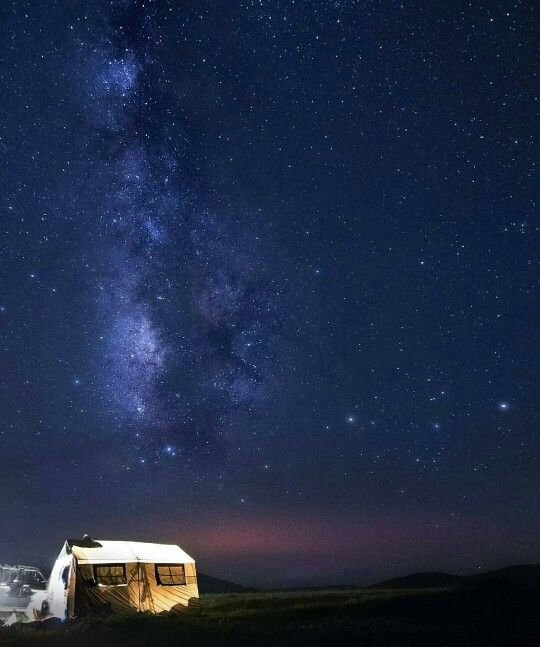
Camping either next to the lakes or in open fields provides an experience similar to the wild.
5. Wildlife Photography
The sanctuary provides you with the ability to take pictures of various types of birds, ibex and beautiful alpine scenes.
Final thoughts:
Naltar Valley is an incredible winter destination. Scenic views of snow-covered mountains, frozen lakes and peaceful pine trees offer a truly unique experience when visiting. This valley is a combination of beautiful nature, outdoor adventure and tranquility providing many opportunities for skiing, hiking, wildlife photography and immersing yourself in local culture in Naltar Valley.While visiting Naltar Valley during winter can be challenging with many disadvantages (such as heavy snow fall, cold temperatures, limited amenities), it is those same challenges that will make your trip worth while. Naltar Valley is a picturesque destination filled with stunning scenery and unforgettable experiences in your past travel. Therefore, Naltar Valley has also become one of the most beautiful landmarks in Pakistan; this valley also gives lifetime memories when you will visit to northern Pakistan.



Leave a comment