


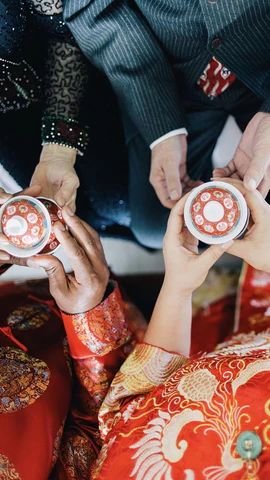
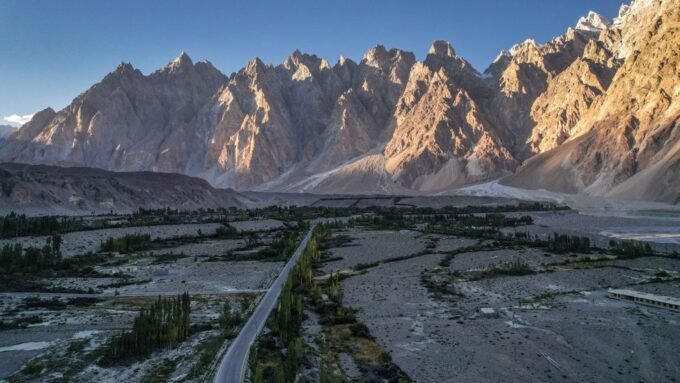
Imagine being transported to a world where every marriage is something unique. Here’s an imaginative depiction of a marriage ceremony where all of the different aspects are steeped in traditional art and history, and celebrate a cultural heritage that has developed throughout generations in the regions of Gilgit Baltistan. A marriage ceremony in Gilgit Baltistan is a celebration of the union between two people and their families, and every one of these ceremonies contains stories about the lives of the people participating, and the communities from which they come. In some parts of Gilgit-Baltistan, marriages take place strictly in accordance with Islamic principles and teachings. Each and every part of the marriage ceremony is celebrated according to Islamic traditions and values; every marriage ceremony is conducted under the supervision of scholars, and so the significance and memory of the marriage ceremony are increased.
In addition to providing the bride and groom with elaborate henna designs on their hands and feet, marriage ceremonies require two families to say goodbye to a daughter or daughter-in-law. This article will give you a brief glimpse of how the marriage traditions of this remarkable region are not only a way to preserve the centuries-old traditions and customs of their ancestors, but are also a sensory and calming experience for all involved. Explore the fascinating marriage traditions of Gilgit Baltistan; see how each marriage ceremony provides a lifetime of memories for all participants.
History and Roots of Gilgit Baltistan
Marriage in Gilgit Baltistan is symbolic of the historical tribal culture in that area and the strategic trade routes between different peoples that have existed for centuries. As a result, marriages are now a representation of the rich culture found within that geographical region. John Biddulph notes in his book The Tribes of Hindoo Koosh (1880) that marriage has played an important part in strengthening relations among tribes. In fact, marriages frequently served to keep the peace and maintain friendly relations among groups of people. This was especially important during periods when Gilgit Baltistan was at a major trade junction for commercial traders, adventurers, and sovereigns.
Due to the isolation of the area, this cultural and social heritage remained intact, with marriage being a primary, if not the defining form of both social and political life. Frederic Drew noted the role that geography played in shaping the distinct cultural behaviour of certain customs within Gilgit Baltistan, in his book The Jumbo and Kashmir Territories published in 1875. In addition to the bride/groom, their land and tribes have always had an important role in determining the relationships formed through marriage.
My First Experience at a Traditional Shina Wedding
Being involved with the Shina wedding in Gilgit was not just attending a wedding ceremony, but rather a look into a living cultural history that has been passed down from generation to generation; the music, colours, traditions, hospitality and emotional moments all combined create a beautiful and unforgettable experience. The modern urban wedding is often characterised by luxury, trendiness and a high cost, while traditional Shina weddings are characterised by simplicity, togetherness, honouring others and great pride in culture. The people of Gilgit-Baltistan are known for their hospitality and strong sense of community. These characteristics were particularly evident when participating in traditional wedding ceremonies. Each ritual has a unique meaning, every gathering serves to strengthen family ties and all guests receive honourable treatment. The pre-wedding preparations leading up to the bride’s final farewell each display something significant about Shina culture and way of life.
Through this experience, it has shown me that weddings are more than two people beginning a new life together; they also serve to preserve culture, enhance formal relationships and celebrate shared identity in many traditional societies. Witnessing these customs develop in such a meaningful and sincere manner has enabled me to gain a greater appreciation for the rich cultural heritage of Gilgit.
About Shina People:
Gilgit-Baltistan is home to one of the primary groups of people known as the Shina, who mainly speak Shina. The Shina community has maintained its traditions, language, folk music and other customs despite the changing culture around them. The mountainous regions of Gilgit-Baltistan have a family and community-based lifestyle. The Shina place great emphasis on respect, cooperation and hospitality to one another. The Shina cultural events, such as weddings, provide some of the best opportunities for demonstrating their traditions.
Many of the traditional practices for Shina weddings have remained relatively unchanged for many years. It is still the case that elders are an important part of the decision-making process; family members are actively engaged in the preparation process and neighbours help one another during the celebrations; as well, they demonstrate values of togetherness as opposed to individualism.
Importance of Marriage in Shina Culture:
In Shina, marriage represents one of the most significant events in people’s lives, along with family and friends in society, as well as religious beliefs. Respecting elders is highly evident in the preparation for a wedding. The guidance of parents and older people in your family is used to assist and direct the preparation, with younger relatives having their own role to play in the preparation of the wedding.
Another important value of Shina weddings is the emphasis placed on simplicity and sincerity. While some younger people do use modern styles for their weddings (which are becoming increasingly popular), many families continue to have their weddings that emphasize more on building and developing relationships and values than they do on spending money.
Pre-Wedding Preparations:
The fun of a Shina wedding starts long before the ceremony actually takes place. Homes are very busy and full of activity as people prepare for the wedding ceremony, relatives are arriving from many different places, and family members will help each other get every little thing ready. Typically, women get together to prepare the traditional food, decorate the home, and arrange gifts for the bride. Men generally assist in managing seating arrangements, placing guests in a place to stay, and arranging transportation.
Unlike the commercialized wedding planning seen in many major cities today, these types of activities are done cooperatively by many family members and neighbours’ other thing I found to be interesting was the spirit of cooperation amongst everyone involved with the wedding. There were many ways for everyone to participate in cooking, cleaning, decorating, welcoming guests, etc. This sense of participating together provided a warm, happy atmosphere. The traditional decoration of the home includes many colourful fabrics, handmade items, lights, and flowers. Even the simplest home will be converted into a celebration with all the joy and happiness expected at such an occasion!
Family and Elders’ Role in Marriage:
Traditionally in Gilgit Baltistan, people did not choose their own partners – marriage was arranged by their families, usually by the elders in the family, who were in charge of making these arrangements. The Elder’s are the most important decision-making entity regarding arranging of marriages, according to Abdul Hayee Jabir, from Kashmir Papers, 2001. In addition, this will usually include an extended negotiation between families, based on their social status, tribe and honour of the family.
The Rishta (formal proposal of marriage) is a very important part of the cultural background of Gilgit Baltistan and it is deeply embedded in the cultural history of the region. In addition, the groom’s family will come to the bride’s family with various gifts (and usually through complex negotiation for the approval of the gifts) in order to receive permission to marry their daughter. The exchange of symbolic items such as handcrafted goods and traditional clothing is yet another example of how marriage is not personal, it is family related.
The Traditions and Functions
Customary Wedding Clothing:
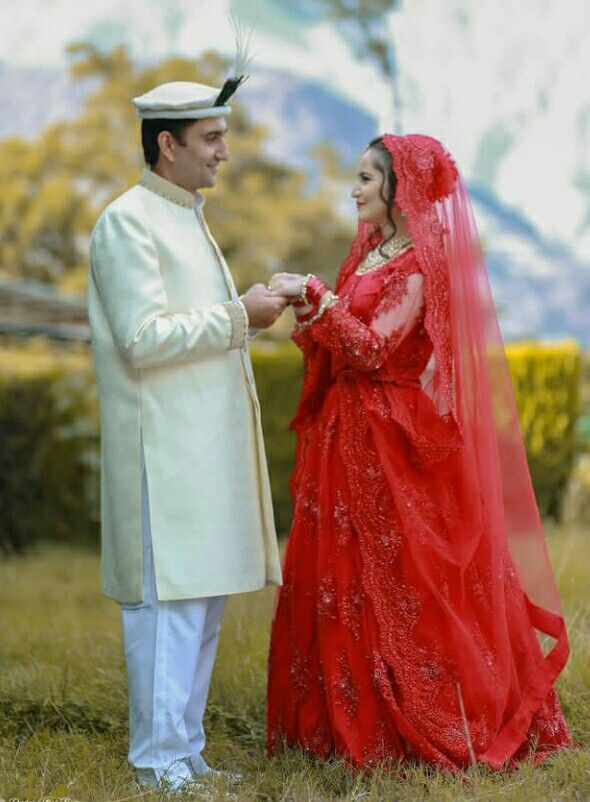
A key aspect of the overall beauty of the wedding was specifically the traditional clothing worn by the bride, groom and all guests in attendance. The bride will typically wear bright colours with intricate embroidery and decorative, cultural accessories which are indicative of local traditions. The groom wears traditional clothing which is then paired with either a type of cap or waistcoat that represents the region of Gilgit-Baltistan. Guests also wore their own culturally appropriate attire and this contributed significantly to the overall beauty and decoration of the ceremony.
In addition to their beautification functions, all garments hold symbolic significance such as representing ethnic pride and honouring one’s cultural identity. Many garments used for these ceremonies are either hand-made or custom-made for the event further contributing to their significance.
Mehndi-Colourful Celebration
The Mehndi is one of the first events in a wedding’s multi-day celebration leading up to the actual wedding and is now an exciting and colourful affair rather than just being a simple ceremony. Traditionally, women in the bride’s family would perform folk songs to share the stories of love and cultural values, as stated by Zain (2010) in A Socio-Political Study of Gilgit Baltistan Province.
The various henna designs are used to beautify a bride’s hands and feet and represent the happiness of the occasion. Traditionally, the bride’s family would prepare the henna using the raw herbs and oils from the surrounding area. Additionally, creating the intricate henna designs has evolved into a very personal and social experience.
Barat-Grand Procession:
The day has finally come for all of us to witness the second most exciting part of our wedding – the arrival of the groom and the ‘barat’. For centuries, the groom has traditionally been dressed and mounted on an extravagantly decorated horse and has had the support of his family and friends while traveling to the bride’s residence. This has not changed today; however, the groom’s transport has switched from a horse to a four-wheel drive (in some cases, they were built specifically for this occasion). In accordance with the research of Biddulph (1880), there are various instruments used by local musicians accompanying the barat, creating an atmosphere of joy and celebration within the valley.
The family of the bridegroom greeted them with a Wachi and Shina song at the entrance to the bride’s residence, highlighting the wonderful diversity of this culturally diverse region. Later in the afternoon, the family members from both families got together at the bride’s residence and held a prayer service for the newly married couple, wishing them all the happiness and blissful life possible.
Shina Wedding Rituals:
Customs associated with the Shina community are incorporated in their wedding. Some rituals represent prosperity, blessings, and protection for the couple as a newly married couple. Family members unite to extend congratulations and prayers on behalf of the bride and groom. In some houses, the bride is welcomed into her new home with traditional songs and cultural symbolic movements and gestures.
The traditions vary from village to village, but they all have the same ultimate goal: to strengthen relationships and/or preserve heritage.
Nikah Ceremony:
Nikah is an important part of the overall Islamic marriage ceremony. During an official nikah ceremony, the husband and wife enter into a contract in front of their family members, including a religious authority (imam), as a means of declaring their union. Historian David Lorimer wrote about this in a report on the bloody partition of India, stating that the Nikah and subsequent blessings (duas) and prayers are based on Islamic law. All the other elders of each party also give their best wishes (dua) to the newlyweds at this point.
Traditional Foods Served at the Wedding:
Food served as an important and memorable aspect of the wedding. Traditional foods incorporated into the event included dishes typical of the region and provided a taste of the traditional food and hospitality offered within the area. Guests were given outstanding meals created with care and skill each meal contained a variety of popular meats including lamb, chicken and beef in addition to rice, several local types of bread, and tea.
A very impressive part of the serving of food at this wedding was the amount of food served in such a generous manner with repeated encouragement to each guest to enjoy eating all that they wanted to are examples of the strong tradition of hospitality that exists within this community. The meals were not only ceremonial in nature but served as a method of honouring and showing love to all visitors.
Rukhsati- Emotional Moments:
Ruhsati is one of the most emotional times of a marriage in Gilgit Baltistan as the bride bids farewell to her family. It is a tear of joy/sorrow, and it is symbolic of the bride’s transition to her new home. There are centuries’ worth of traditional rites associated with ruhsati and they have been conducted with great accuracy today. Furthermore, ruhsati represents the very emotional bonds that exist in families.
Walima-The Grand Feast:
After a wedding there is a Walima, or lavish meal hosted by the family of the groom. The Walima reflects the bounty of food available in Gilgit Baltistan; the examples of traditional foods include Harissa and Chapshuro. Harissa is a dish made from meat, which requires approximately 8 hours to prepare, while Chapshuro is a type of local baked bread made from meat. Although Walima began as a family only event, it has grown to often be an event at which many people participate, including extended relatives, friends and even neighbours.
According to the 2015 government of Gilgit Baltistan report on regional customs, the Walimas are the last form of celebration associated with weddings, and both families celebrate the marriage with a Walima.
Tips for Visitors Attending a Shina Wedding:
Participating in a traditional Shina wedding in Gilgit-Baltistan (Northern Pakistan) will offer you an opportunity to experience a rich cultural occasion. Here are some tips for enjoying your visit:
- Outfit Suggestions:
For festive occasions, wear bold, traditional attire that features an array of bright hues—pink, orange, and yellow, among others. It is mandatory that female guests wear a long scarf called a Dupatta to cover their heads or shoulders; male guests should wear a Shalwar Kameez or a Kurta with a waistcoat.
- Outfit Recommendations:
As the colors black and solid white signify mourning, you should refrain from wearing them. Also, red should not be worn at the Barat (the actual wedding day) because it is the color traditionally reserved for the bride.
- Regarding Social Etiquette:
You will be treated with generous amounts of hospitality. You will be expected to accept any tea or food that is offered to you by your hosts.
- Gift Giving:
The most common gift given to your host(s) is cash, also referred to as Salami. This cash must be enclosed in an envelope prior to giving it to your host(s).
- Experience the Festivities:
Weddings typically span 3 to 4 days and consist of 3 events: Mehndi (celebrating with dancing and food at an informal gathering), Barat (formal ceremony during which the bride and groom exchange vows), and Walima (farewell celebration). Therefore, you can expect loud music, traditional dance performances, and late-night celebrations.
- Expect Abundant Hospitality:
Food will be a significant part of the celebration. You will have the opportunity to sample many local dishes (don’t hesitate to try everything).
Final Thoughts:
The variety of customs associated with the celebration of a wedding in Gilgit Baltistan – from the brightly decorated room where the brides will have their Mehndi celebration to the emotional farewell (or Rukhsati) after the bride has entered her new husband’s home – takes everyone who visits back in time. The various customs represent the diverse heritage of the region’s rich history and vibrant culture. Many of the customs have been changed in some way, but the essence of the original ceremonies, at which two souls were joined together in marriage and families bonded, continues to be evident today.
One would not be out of place to feel the weight of the honour associated with the beauty of these ageless traditions as one attempt to imagine the joyful sounds of wedding festivities and laughing with family and friends while also with tears flowing at the emotion of leaving your family. With the shift from a traditional to a modern approach, weddings in Gilgit Baltistan are continuing to generate respect and inspire happiness in the same manner that they have done for many years.




Leave a comment