


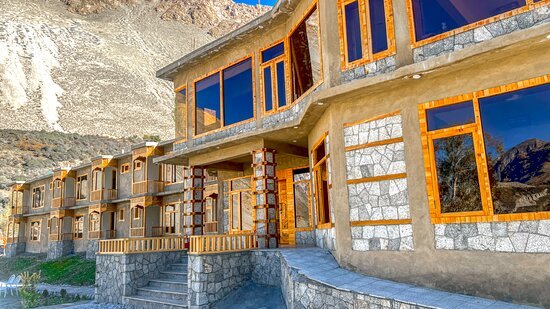
People visit Pakistan because they want to experience its stunning attractions, which include Attabad Lake, Passu Cones, and Khunjerab Pass. The natural beauty of these locations attracts numerous visitors who come to experience their scenic views.
The most significant experiences during a journey emerge from its most unremarkable events. People can choose to sit in a village courtyard while they drink tea with residents, or they can assist a host family in preparing dinner inside the family’s home kitchen.
People in Gojal Upper Hunza experience their daily activities because of these small everyday moments. These daily activities provide you with an opportunity to explore Pakistani culture through its authentic and basic form.
Gojal residents run homestay programs that let visitors experience their traditional hospitality. A homestay means staying in a local family’s house instead of a hotel. Travelers can experience authentic family life by living with their hosts and sharing meals while observing their daily activities.
This guide provides you with information about Pakistani homestays and shows you how to create a meaningful and respectful stay experience.
Where is Gojal?
Gojal is in the part of the Hunza Valley in the Gilgit-Baltistan province of Pakistan. Gojal is next to the famous Karakoram highway, near the border of Pakistan and China.
Famous For:
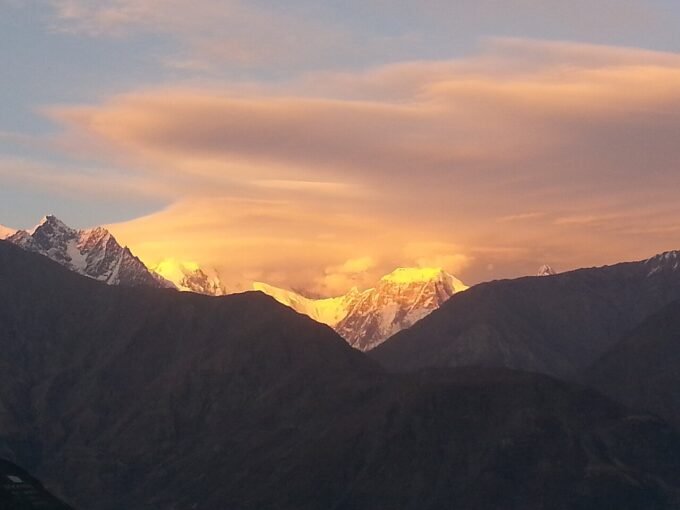
- Snow-capped Mountains
- Glaciers
- Lakes
- Peaceful villages
- Scenic beauty
Villages of Gojal
- Gulmit: Gulmit is a village of Gojal with some guesthouses and craft centres.
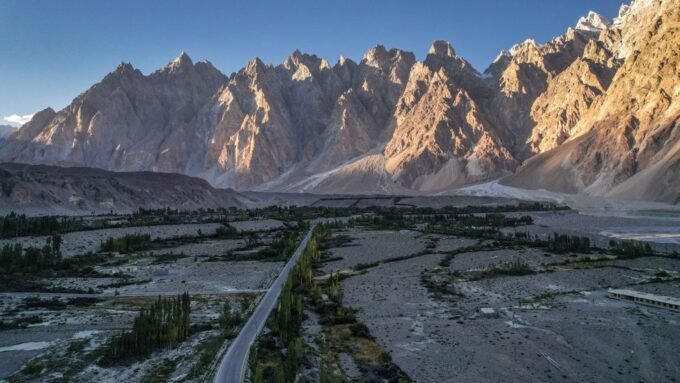
- Passu: Passu is renowned for its Passu Cones and glaciers.
- Hussaini: It is renowned for its suspended bridge above the Hunza River.
- Ghulkin: This is a scenic village with apple orchards.
- Shimshal: It is situated in a remote valley with access via a mountain road.
- Sost: It is the last town before the Pakistan-China border.
Gojal is more tranquil than central Hunza. Fewer facilities are found here, including hotels and restaurants, but tourists like their calm environment.
The Wakhi Tribe
The Wakhi tribe constitutes the largest part of the Gojal population. The Wakhi people possess a rich cultural heritage that has deep historical roots in their ancestral homeland of the Wakhan Corridor in Afghanistan. The Wakhi tribe speaks their native tongue, the Wakhi language, while most people also use Urdu as their second language. Younger generations of the population also speak English, owing to their education and employment backgrounds. Most members of the Wakhi tribe practice the religion of Ismaili Islam.
Tourists often remark about:
- Warm hospitality of locals
- Neatly kept villages
- Rich community culture
- Value attached to education
Women engaging themselves in the daily routines
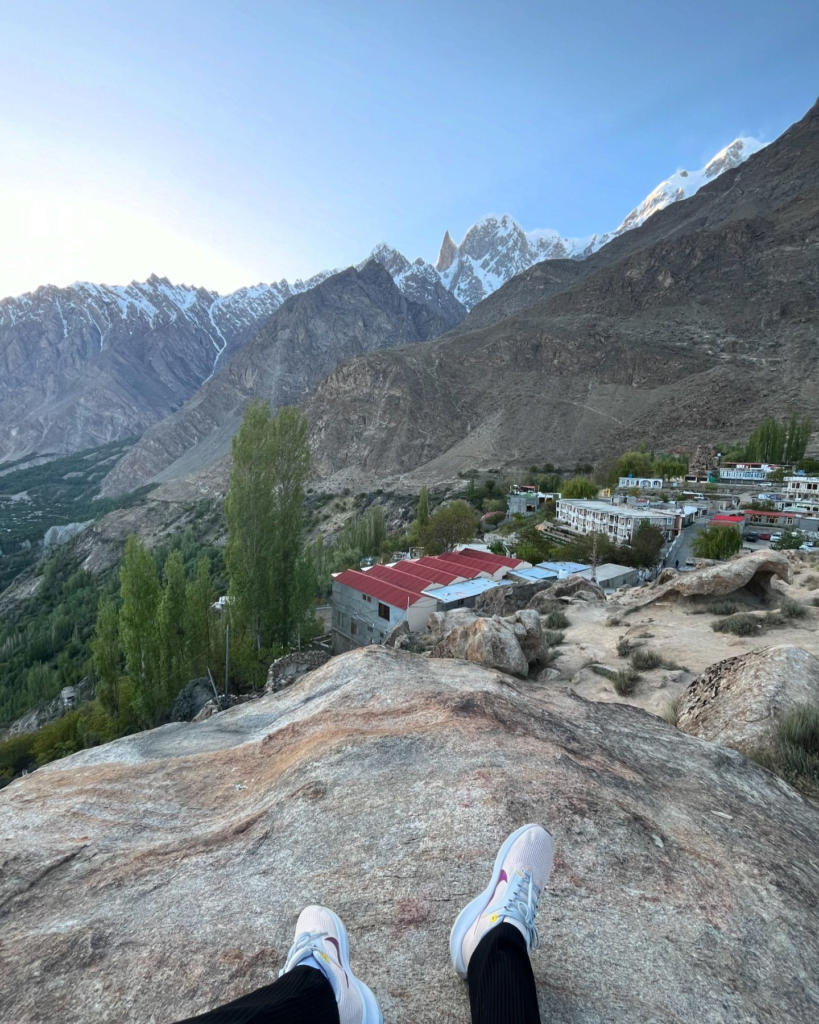
What’s a Homestay?
What’s a Homestay? A homestay is the opposite of staying in a hotel. A homestay lets you stay with a family who will share their home with you throughout your entire stay.
Gojal homestays provide basic accommodations that offer guests comfortable lodging. While some houses are modern, other families prefer traditional mountain architecture.
Traditional houses are built for severe winters. Generally, these houses include:
- Thick stone walls
- Wooden roofs
- Tiny windows to retain heat
- Common rooms for the family
While some families construct separate bedrooms for guests, many families share common spaces with tourists.
Day-to-day Environment Within the House
Living within a homestay is quite relaxing. You can hear children playing, families preparing food, or neighbours visiting for tea.
This makes your experience unique since:
- Food is served communally
- Tourists generally eat with the family
- Conversation occurs naturally
- Your routine does not disrupt the regular family routine
In a homestay, you are treated differently from tourists in hotels. The hosts will make you feel like a guest.
What to Expect
Homestays generally include:
- Clean sleeping facilities
- Warm blankets and quilts
- Good, home-cooked food
- Tea multiple times a day
- Common lounging spaces
- Basic toilet facilities
And some homes may even have:
- Separate guest bedrooms
- Water heated via solar energy
- Seating on rooftops
- A mountain view from the balconies
Not to Be Expected
Do not expect to find:
- Fancy furniture
- Air conditioning
- High-speed Internet
- Room service
- Faultless plumbing
The essence of homestays lies in their simplicity and humanity.
Food in the Homes of Wakhis
Food plays a significant role in homestays. Food is always home-cooked and made with local and fresh products. The climatic conditions influence the food that is grown and eaten by people in the area. The foods commonly used are:
- Wheat
- Buckwheat
- Potatoes
- Beans
- Apricots
- Walnuts
- Milk and yogurt
Due to the cold winters, much food is dried up and stored.
Local Foods You Will Try
- Khambir: A dense bread consumed on a daily basis. The bread is always served hot, either with tea, butter, or apricot oil.
- Gyaling: A soft, dough-like bread made from either wheat or buckwheat. It is common to eat it during breakfast.
- Chapshuro: A filled bread with a filling of meat and onion. Sometimes tourists say it resembles a meat pie or pizza.
- Diram Pitti: A local dessert cooked using wheat flour, walnuts, and butter.
- Harissa: A tasty dish produced after cooking wheat and meat for several hours.
Gojal Tea Culture
Tea is served numerous times throughout the day. Saying no to tea repeatedly might appear rude to some people.
Common types of tea are:
- Herbal tea from the mountains
- Salted milk tea
- Black tea with milk
- Green tea
Tea drinking is a social activity too, where families gather around and chat for hours every evening.
Dinning Experience
Family members eat their food sitting on the floor with mats or tables at low levels. Sharing food is done from shared plates.
There is always pressure on guests to eat a lot. It is believed that providing ample food is a gesture of honor and welcome.
Everyday Life While Staying in Gojal
The pace of life in Gojal is slow compared to that in large cities and fits well with nature, farming, and the weather. Staying in a homestay provides tourists with an opportunity to live and experience the tranquillity of the mountaineering way of life firsthand.
The majority of the day starts with the arrival of dawn, together with the beginning of morning routines. The residents work at their different activities, which include cattle care and cleaning duties, breakfast preparation and field irrigation, and school or work preparation. The mountain breeze, the peaceful environment, and the sun’s gentle rays create a peaceful atmosphere during the morning hours. The tourists begin their day by waking up to the songs of the birds, the sound of running water, and the other natural sounds in the area.
The tourists use the afternoon period to take their leisure time. The visitors have sufficient time to explore the villages and see the lakes and glaciers, and take breaks on the roof while they recover from their exhausting hiking activities. Some tourists even prefer reading books and taking photographs. Children in the villages are generally warm and welcoming and love to interact with tourists.
The evening is normally one of the most memorable aspects of the homestay program. The entire family comes together in cozy homes for tea, meals, and casual talks on various issues. One might be told stories by locals or even learn about local traditions, but regardless of whether or not there is a power cut, these evenings remain etched in people’s minds as some of the best moments during the homestays.
Honest Insights of Homestays
Homestays are wonderful experiences, but not without their difficulties. Having this knowledge ahead of time makes the experience more enjoyable.
Bathrooms and Water
Bathrooms are usually basic. In some cases:
The water heater works for a limited time
- Water pressure is low
- Shared bathrooms exist
There could be water shortages during dry periods.
Electricity Issues
Electricity blackouts are common in mountainous areas. The electricity might disappear for long hours, especially in stormy conditions. Having a power bank is quite necessary.
Internet and Mobile Connectivity
Internet access is much slower in Gojal compared to cities. There might be poor connectivity in some villages, while remote areas will lack internet services. This can become an advantage during the trip since people get to spend quality time without their gadgets.
Privacy and Personal Space
Family houses are communal spaces. Travellers should be ready to hear some discussions, sounds of kids playing in the vicinity, or even noise from the kitchen.
How to Be a Considerate Guest
Consideration is important in the mountain villages. Even little gestures can make a big difference in making a favorable impression.
Wear Decent Clothing
Choose appropriate clothing that covers your shoulders and knees. Loose-fitting clothes are appropriate for a village at the top of a mountain. Headgear is not required for women, but it may be helpful to have a small shawl.
Get Permission for Photos
Always ask for permission when you want to take photos. While some families will feel at ease having their pictures taken, other families may not.
Be Gracious with Hospitality
Drinking tea and eating are cultural norms in the area. Even if you are not feeling hungry, accept a little bit of food politely.
Don’t Make Noise
Homestays are family homes, not nightclubs. Don’t:
- Play loud music
- Drink alcohol openly
- Cause disruption
Show Consideration for Their Schedule
Families are still involved in their daily activities while hosting guests. Try not to disturb any household chores or family time.
Thoughtful Gifts Go a Long Way
Gifts can be thoughtful even if they are simple. Practical gifts are often valued over extravagant and ornamental ones.
Possible options include:
- Pens and notebooks
- Tea
- Books
- Dry fruits from your region
Best Time to Visit
If you want to do a homestay tour in Gojal, it is best to go between May and October. This is because the weather is nice during these months, you can travel on roads in the area, and you can see how people live in the villages. Each season is different. Has something special to offer, so it depends on what you like.
One of the times to visit Gojal is in May and June. At this time, the valleys are really green the apricot trees are in bloom. The air is fresh. The weather is perfect during these months. It is a great time to see Gojal. You can have a homestay tour in Gojal during this time and see the beautiful villages. Gojal is a place to visit in May and June, and you can have a lot of fun on your homestay tour. Also, there are very few tourists at Gojal during these months. Therefore, people who like peaceful locations enjoy visiting Gojal during springtime.
The warmer weather enables complete road access while tourists bring life to villages throughout the area. The present period marks the start of fruit gathering when visitors can see apricots and cherries at their full ripeness. Summer rains will create road obstacles which will make your travel time longer than you expected.
Many people believe that the ideal months to explore Gojal are September and early October. The trees in the fall season change their leaves to golden colors. It is generally clear that the climate remains comfortable, and tourists start to decrease. This period is preferred by photographers since the mountains, combined with autumn colors create picturesque scenery.
The winter season is extremely cold and is not recommended for usual tourism. Snow may cover the roads, making transportation difficult. Many homestays are shut down during the winter. Heating is available at specific places. Therefore, the winter season is recommended for experienced tourists.
Packing Tips
It is important to pack well, since the weather can change suddenly in the area you will visit.
Items to Pack
Remember to bring:
- Warm jackets
- Sweaters
- Comfortable trousers
- Warm socks
- Appropriate clothing
- Gloves for cool nights
Items Useful for Travelling
Don’t forget:
- Power Bank
- Head torch or flashlight
- Sun glasses
- Sunscreen
- Lip Balm
- Bottle of water
- Medicines
Cash & Payment
There are no ATMs in the many villages you will visit. Always have money with you in smaller denominations.
Safety in Gojal
Tourists consider Gojal to be one of the safest places in all of Pakistan. The locals are friendly, and guests are usually welcomed nicely. Solitary tourists, especially female tourists, do not feel endangered.
Hazards to the Environment
There are no risks associated with crimes; only nature may cause harm.
These may include:
- Landslides
- Blockage of roads
- Flash floods
- Rock fall
- Extreme weather conditions
Always make sure to be updated about weather forecasts.
Mountain Road Safety Rules
The roads of northern Pakistan are often narrow and uneven. Drive slowly and do not drive at all in stormy or rainy conditions.
Responsible Tourism
Tourism sustains many households in Gojal. Responsible tourism contributes to environmental conservation and the preservation of the local culture.
Support Local Businesses
- Homestays owned by locals
- Locals as tour guides
- Handicraft stores operated by locals
It ensures that money is recycled within the local economy.
Avoid Plastic Pollution
Plastic pollution has become a growing concern in mountainous regions. Ensure you have reusable bottles and leave no waste behind.
Be Environmentally Friendly
Do not harm crops, vegetation, or wildlife during your village tours and hikes.
Conserve Water
Water resources are scarce in mountainous areas. Take long showers and conserve water to avoid inconveniences for locals.
Conclusion
The homestay experience in Gojal is not luxurious, comfortable, or speedy internet-based. The whole idea behind it is slow life at a much quieter pace through the eyes of locals.
The first part of your morning begins when you listen to the sounds of rivers flowing through the area. Your afternoon activities will include drinking tea while you sit close to a wooden fire and watch children play in apricot gardens.
Your evening activities will include sitting with others to share stories while you watch the mountain range. You will find that your journey includes small things that become your most important memories. People who approach this destination with patience and an open mind tend to take away a lot from it. The Gojal homestay experience represents the most important part of northern Pakistan for some visitors.
Frequently Asked Questions
How Long Should I Stay?
Three days is enough for a short experience, but staying longer allows travelers to truly connect with village life.
Is It Good for Families?
Yes. Local families are usually very welcoming toward children.
Can I Stay Without Speaking Urdu?
Yes. Many hosts understand basic English, especially in tourist villages.
Is the Food Very Spicy?
No. Wakhi food is usually mild and simple compared to many Pakistani dishes.
Do I Need to Book Early?
During the summer, booking early is recommended because rooms fill quickly.



Leave a comment