


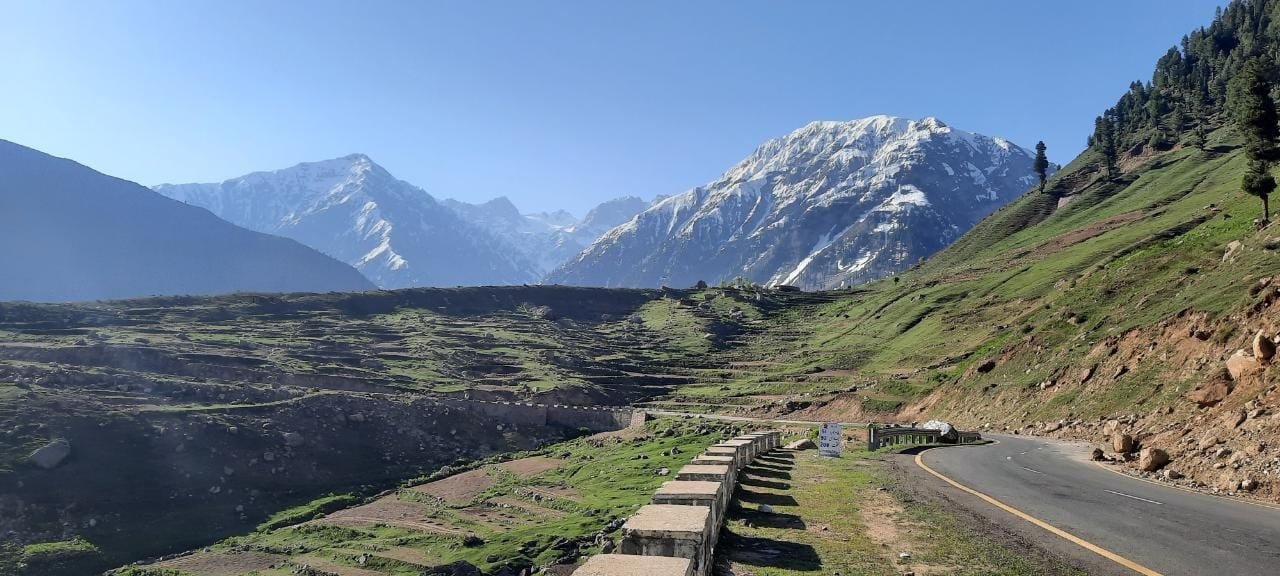
Every summer, there are millions of visitors who come to Naran Kaghan from all over the world. Unfortunately, many of these visitors do not properly prepare for their trip and therefore turn back at Mansehra or become stuck believing that they could drive a sedan on the jeep tracks. The “Naran Kaghan Travel Guide 2026” provides a detailed and practical guide for visiting one of the most popular northern tourist areas in Pakistan. This book will provide information on things like transportation routes, travel times, lodging options, prices and weather conditions, as well as attractions.
Naran and Kaghan Valley are located in the Khyber Pakhtunkhwa area of Pakistan and consist of two valleys that follow the Kunhar River. The two valleys are known for their beautiful scenery, numerous alpine lakes, lush green meadows and mountain scenery. When traveling to Naran Kaghan, summer is generally the only time to visit, as no roads will be open during winter months due to heavy snowfall, making it impossible to access the valleys during the winter months. There are several forms of transportation to and from Naran Kaghan, however the majority of travelers will establish their trip based on scheduled itineraries, budget and the amount of time available.
Most itineraries will include visiting off the following well-known locations: lake Saif-ul-Malok, lake Lulusar and Babusar top. Proper planning will help to ensure that visitors to Naran and Kaghan will be able to travel safely, have an enjoyable stay and fulfill their expectations of a well-organized trip through the mountainous and picturesque surroundings of Naran and Kaghan.
Naran Kaghan Travel Guide 2026
Naran Kaghan is known to be one of the most beautiful places in Pakistan and is visited by hundreds of thousands of tourists each year. The valley combines stunning natural beauty, pleasant temperatures and a tranquil environment, making it an ideal destination for families, couples or individuals all year round. Compared to urban areas, Naran Kaghan requires more detailed planning as the mountain terrain is partially accessible only during specific seasons, with limited resources available in some parts of the valley. A proper understanding of how you will travel and where you will stay, as well as budgeting for your trip and understanding what to expect during the trip, will help to make your trip easy and enjoyable!
Location and Geographical View
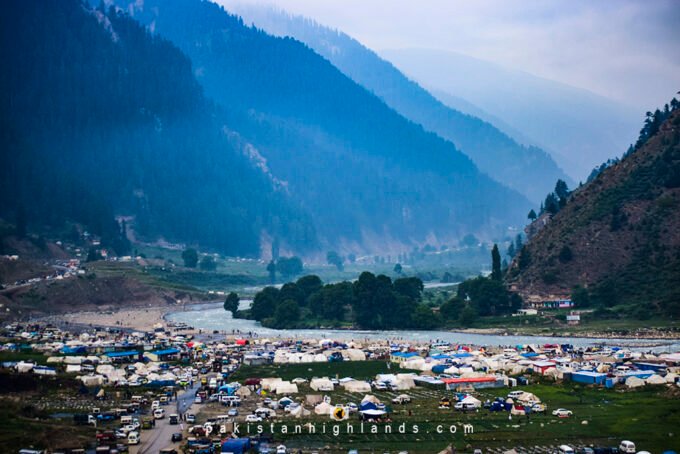
The Naran Kaghan area is in the Khyber Pakhtunkhwa province of Pakistan, located along the banks of the Kunhar River. It is elevated to a high altitude and surrounded by other massive mountains and hills that are full of greenery, forests, and beautiful landscapes. The main area where tourists will stay is Naran town, which has many hotels, restaurants, transportation services, and access points to attractions close to them. The Kaghan Valley continues past Naran and goes to the Babusar Top, where it crosses into the Gilgit-Baltistan region by way of a mountain pass that is only usable in good weather conditions.
Travel in this part of Khyber Pakhtunkhwa can be challenging due to the geography of the area. Roads are narrow and winding; and there are often times when it’s hard to drive due to poor weather conditions. However, it is the natural environment of this location that makes it special because you will find many lakes, rivers, and views that cannot be seen in urban settings.
Best Time to Visit Naran Kaghan
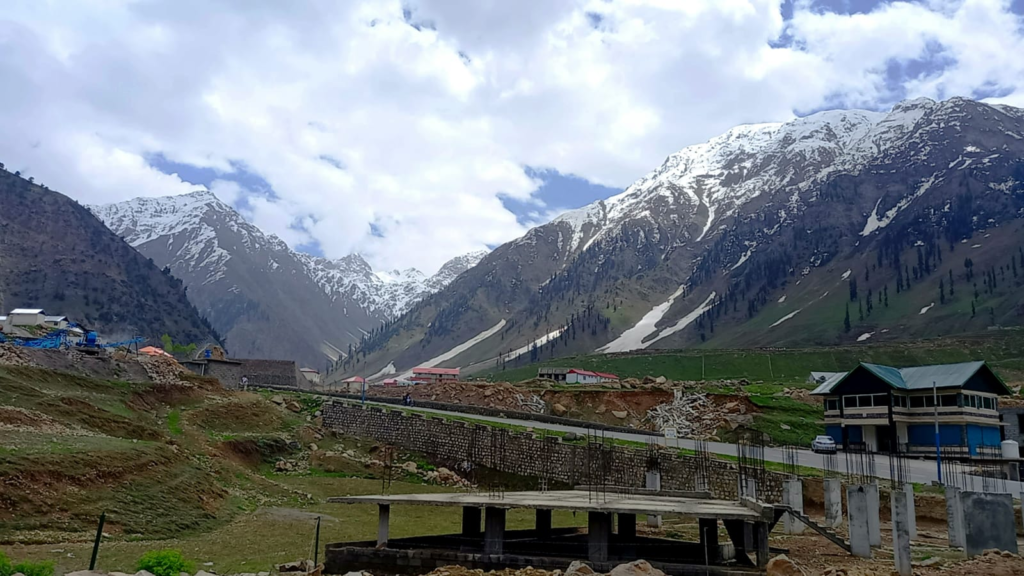
Determining the timing of a trip to Naran Kaghan is one of the most important aspects to plan for. Most likely, it will be completely inaccessible all or most of the winter as a result of heavy snowfall closing many of its roads and rendering travels to the area dangerous. Therefore, the majority of the time period for access to the region falls somewhere between the conclusion of winter and the conclusion of summer. In general, the period of the summer months is considered peak tourism, with access to all roads, as well as access to all of the major tourist attractions.
Here is a some information you may find helpful
Summer Season:
During the summer season, temperatures tend to be mild and range from fairly mild during the day to a bit cooler at night. However, as the summer months progress into the fall months, the number of tourists will decrease, thus allowing for a much quieter experience; however, the weather conditions will likely be much cooler and perhaps even somewhat more erratic.
June to August:
During June to August, the peak season, everything is open and available to see. Temperatures are usually between 10 and 25 degrees Celsius. All of the roads are clear, and all the hotels are open. You can expect to see crowds of people, especially during Eid and public holidays.
September:
September is a great time to travel if you want peace and quiet. September has a temperature range of 5 to 18 degrees Celsius, and the entire landscape will be a golden color. You will not see many tourists. Babusar Top should still be open for early September. This time is great for photographers.
April and May:
April and May are not very predictable. Naran Valley should open in early March; however, Babusar Top is generally not open until late May or early June. A number of the higher elevations will not have been cleared of snow.
Winter Season:
Please note that winter travel will generally not be possible for most regular tourist visitors due to the road closures; however, the only people that can traverse certain areas of the Naran Kaghan region will either be locals of the area or specialized tour operators who are allowed to do so under certain restrictions.
November to March:
Cold winter months run from November to March when average temperature dips down to -5C. Many hotels are closed during the winter season and access to Babusar summit also stops during winter months. There are only a few hotels open in Naran, which are designed for winter.
“If you don’t want to be stuck in heavy traffic, avoid traveling on Eid and Independence Day holidays. Traveling from Lahore can take up to 18 hours during major holiday periods; it generally takes about 14 hours under most circumstances”.
How to reach Naran Kaghan?
Most visitors start their trip to Naran Kaghan from either Islamabad or Rawalpindi. The journey proceeds through Mansehra and Balakot prior to entering the Kaghan Valley. The road follows the Kunhar River as it climbs gradually through mountainous regions. Private vehicles are primarily used due to the convenience they provide to family and group travelers as they allow flexibility in stop times and locations. Other means of public transport are available by bus or van from larger cities up to the Mansehra/Balakot area; however, local transit or hire vehicles will be required to complete the journey toward Naran.
Traveling by road can take several hours depending on time of day, traffic and weather. The route has many scenic views of rivers and mountains and many small towns along the route. Due to the mountainous region that the roads are located, they will require careful driving; therefore, start your trip as early in the morning as possible and travel only during the day to ensure timely arrival without delays caused by darkness.
Travel Distance and Duration
Islamabad to Naran:
The distance from Islamabad to Naran is approximately 275-285 kilometers, and it generally takes 7-8 hours. Departing Islamabad at 4 am should see you arrive in Naran by noon.
The Hazara Expressway from Islamabad to Abbottabad is fast and smooth, but becomes narrow with increasing elevation after Mansehra. Once leaving Balakot, the scenery becomes incredibly beautiful, but may slow the overall travel time.
Kaghan to Naran Destination Distance:
Kaghan is within the same valley as Naran. You will travel about 40-45 km along route N-15 between Kaghan and Naran. The estimated transit time will depend on traffic; however, total time is approximately one hour.
Distance from Lahore to Naran:
The distance from Lahore to Naran is approximately 6300 – 6800 kilometres by road; however, there are multiple routes taken by most of those travelling these two cities by road. The travel time tends to be between 12 and 14 hours depending on the route that is taken as well as breaks for refuelling, meals and short stops along the way.The general route taken to get to Naran begins on the M-2 motorway from Lahore to Islamabad, travels north via the Hazara Expressway through the cities of Abbottabad, Mansehra, Balakot, and into the N-15 highway which leads into the valley.
It is suggested that you leave Lahore before 2:00 am in order to arrive at Naran no later than the early afternoon. This will allow for plenty of time to check into your hotel and still have time to catch a jeep to Saif ul Malook the same day that you arrived.
Accomodation and Hotels in Naran
There are many choices of accommodation in Naran, from low-cost guest houses, to middle-class hotels, and extravagant resorts. Most of this lodging, especially the hotels, is either found in or near the town of Naran, making it easy for travelers to access markets, restaurants, and public transportation.
Low-cost accommodation:
Low-cost accommodation is generally suitable for people who are looking for a basic place to stay at an economical price. Travelers can find basic amenities like clean sleeping quarters and basic facilities when they stay at a low-cost accommodation.
Mid-range accommodation:
Mid-range accommodation usually offers the traveler a higher level of comfort than low-cost accommodations, such as better-quality sleeping areas and attached restrooms; furthermore, mid-range accommodations may have a view of the scenery surrounding Naran (e.g., mountains, rivers, lakes).
An extravagant accommodation:
On the other hand, an extravagant accommodation offers a travellers much higher prices than low- or mid-range accommodation. The guest will receive accommodation that has spacious rooms, enhanced amenities, and superior levels of hospitality.
During peak tourism periods, there is a high demand for hotel rooms, so prices for hotels will generally increase and room availability will decrease. Many guests will need to book their accommodations in advance in order to guarantee a room at an accommodation of preference. Guests will also take into consideration where the hotel is located, because hotels located closer to the river or main road are easier to access, and consequently, have better views.
Naran Kaghan: Best Places to Visit
Saif-ul-Malok Lake:
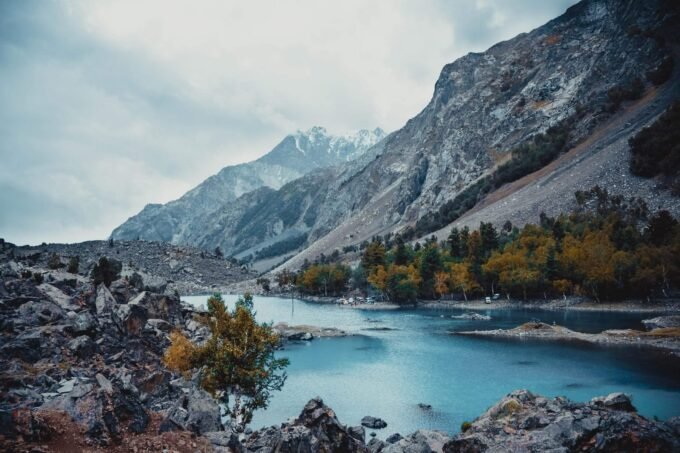
Come to Saif-ul-Malook Lake which is the most visited destination located 3,224 m above sea level, just 8 km outside of Naran town (by jeep for 45 minutes on a very bad unpaved road).
Malika Parbat (5,290 m from sea level) is the highest mountain in the Kaghan Valley and stands directly behind Saif-ul-Malook Lake. There you can go boating, rent horses to ride or just sit by the lake. From June-August you will experience heavy crowds at the lake; whereas you will have less crowds in the month of September.
Lulusar Lake:
The 50 km drive from Naran will take you to Lulusar Lake, which is the headwater of the Kunhar River as well as being much higher than the above lake, i.e., approximately 990 feet deep. Because of the very few tourists visiting the lake, it allows you to take photos with clean backgrounds.
Babusar Top:
The highest part of the Kaghan Valley is Babusar Top, 4,173 meters (13,700 feet) in elevation. From here, you can see into Gilgit-Baltistan on one side and look back down the majority of the valley on the other side.
To drive from Naran to Chillas via Babusar Top requires you to travel approximately 80 km. The route passes through both Batakundi and Jalkhad and follows the Kunhar River on the left, while on the right side you will see mountainous terrain with an abundance of evergreen trees (there are many types of trees in this area).
Siri Paye Meadows:
Beautiful green alpine meadows at 2895 m above sea level, located 6 km from Shogran and 10 km from Kiwai by jeep track. In summer, the meadows are filled with wildflowers. Horse riding costs between Rs. 1500 and Rs. 2000 per hour.
Ansoo Lake:
Tear-shaped lake located near Saif UL Malook, requires a trek of 7 to 9 hours to reach. The best time to visit is July or August, after the snow has melted sufficiently for safe passage along the trail.
Food & Dining Experience:
There are a wide range of restaurants and roadside eateries that offer food in and around Naran Kaghan. Traditional Pakistani foods like BBQs and karahi, as well as a variety of regional specialties including trout fish are available at restaurants that cater to both locals as well as tourists who visit the areas. Most of these restaurants prepare the meals they serve on-site to ensure a good quality of food.
The quality of food will vary between restaurants, however, there is usually adequate provision for all dietary preferences here. Care should be taken to ensure that the dining location provides clean drinking water and adheres to good hygiene standards, before dining there on your travels. It may be helpful to pack some light snacks and bottled water to consume while travelling in remote areas when you are in Naran Kaghan.
How do you create a 3-day vacation for Naran Kaghan?
Day One – Travel and Saif ul Malook:
Leave Islamabad no later than 4 AM. Arrive in Naran by 12 PM. Check into your hotel/guesthouse and eat lunch, then take an afternoon jeep ride to see the Saif-ul-Malook lake. Spend 2 hours enjoying the view from the lake before taking a jeep back to Naran before sunset. Have dinner in the bazaar and spend the night at your hotel/guesthouse.
Day Two – Babusar Top, Lulusar Lake and Jalkhad:
Have breakfast no later than 8 AM. Drive toward Babusar Top through Batakundi and Jalkhad. Take a stop at Lulusar Lake for 30-40 minutes and continue on toward Babusar Top. Arrive back to Naran around dinnertime. Eat dinner and spend the night at your hotel/guesthouse.
Day Three – Kiwai Waterfall and Siri Paye:
Have breakfast no later than 8 AM. Drive to Kiwai waterfall for a short break. Continue to Shogran and Siri Paye meadows by jeep. Spend 2-3 hours at Siri Paye and leave early afternoon, arriving back to Islamabad around 7-8PM.
Travel Makes Easy with These Tips
- By planning appropriately ahead of time, you will better ensure your trip will be as effortless as best as it can be! For example; Leaving early will help you avoid traffic and arrive at your destination before night falls! It would also be wise to make reservations for your accommodations in advance of peak season due to the large number of visitors (Naran Kaghan Travel Guide 2026).
- Packing essential items for your journey; like warm clothing and some basic first aid supplies or personal hygiene products will improve the comfort of your trip; as well as being prepared for lack of service (Naran Kaghan Travel Guide 2026).
- Being respectful of the culture and environment of where you are traveling will improve your overall experience too (Naran Kaghan Travel Guide 2026).
Conclusion
The Naran Kaghan Travel Guide 2026 provides detailed information about traveling to one of Pakistan’s most scenic areas and places an emphasis on practical travel-related information rather than taking a general approach and listing all available attractions. The Naran Kaghan Travel Guide 2026 communicates relevant details regarding understanding a travel destination (location), visiting at the right time (timing), how to get around (transport), where to stay and what types of accommodations are available (accommodation), planning and budgeting for travel (budget), and ensuring safe travel while visiting (safety). Understanding these elements, as explained in the Naran Kaghan Travel Guide 2026, will enable travelers to effectively prepare for their trip. Once travelers have made the necessary preparations and become aware of various seasonal conditions, they will be able to enjoy the natural beauty, tranquilness, and distinctive landscapes of Naran Kaghan that have been established as memorable travel destinations by the Naran Kaghan Travel Guide 2026 for individuals, families, and groups.


Leave a comment